Exploring Greece over the New Year holidays is a great way to discover its most iconic sites without the summer crowds. This road trip combines ancient ruins, historic towns and dramatic landscapes, moving from the Peloponnese to Athens at a relaxed winter pace.
LookingBack:
This winter itinerary through Greece offers an ideal balance between culture, history and scenic road travel. Visiting outside the peak season provides a more relaxed pace, easier access to major sites and a different perspective on iconic destinations. From ancient sanctuaries to coastal towns and vibrant Athens, Greece remains a rewarding destination year-round.
Corinth makes an excellent first stop when leaving Athens towards the Peloponnese. The highlight is Ancient Corinth, where the Temple of Apollo still dominates the archaeological site, offering a glimpse into the city’s former importance in antiquity. Nearby, the Acrocorinth fortress provides panoramic views over the Isthmus of Corinth and the surrounding coastline. The modern town is practical for an overnight stop, especially as a base to continue south.
Accommodation: Pefkaki Boutique Hotel Loutraki (1 night)
Day 2 – Nafplio
Nafplio is often considered one of the most beautiful towns in Greece, and visiting in winter allows for quiet walks through its old town. Venetian-style streets, neoclassical buildings and seaside promenades give the town a refined atmosphere. Highlights include a walk along the harbour facing Bourtzi Castle, and exploring the old town squares and cafés. Nafplio is also well-located for visiting several major archaeological sites in the region.
Accommodation: Aerinon Guesthouse (1 night)
Day 3 – Epidaurus & Mycenae
This day focuses on two of Greece’s most important ancient sites. Epidaurus is famous for its exceptionally preserved theatre, renowned for its remarkable acoustics and elegant proportions. Further north, Mycenae offers a striking contrast with its massive Cyclopean walls, the Lion Gate and royal tombs, including the Tomb of Agamemnon. Both sites are easily accessible and can be visited comfortably in a single day from Nafplio.
Day 4 – Areopoli
Areopoli marks the gateway to the Mani Peninsula, a region known for its rugged landscapes and stone architecture. The village itself is charming, with narrow alleys, fortified tower houses and small squares ideal for strolling. In winter, the atmosphere is calm and authentic, allowing visitors to appreciate the raw beauty of Mani without distractions. Areopoli is a great base to explore the southern Peloponnese.
Accommodation: Areos Polis Boutique Hotel (2 nights)
Day 5 – Gytheio
Gytheio is a relaxed seaside town with a strong maritime character. Colourful houses line the harbour, and the waterfront is perfect for a leisurely walk. Nearby, the small island of Cranae, connected by a causeway, is worth a short visit for its lighthouse and views over the bay. Gytheio offers a pleasant pause between mountain villages and archaeological discoveries.
Day 6 – Mystras & Patras
The day starts in Mystras, one of the most impressive Byzantine sites in Greece. The abandoned fortified city climbs the hillside in tiers, with churches, monasteries and palaces set amidst dramatic scenery. Even in cooler weather, strolling through the ruins is an unforgettable experience. Afterwards, the journey continues north to Patras, a lively port city and a key connection point between southern Greece and the west. Patras works well as a stopover before heading towards Central Greece.
Day 7 – Delphi
Delphi is one of Greece’s most iconic archaeological sites, dramatically located on the slopes of Mount Parnassus. The sanctuary of Apollo, the ancient theatre and the stadium all offer breathtaking views over the valley below. The Delphi Archaeological Museum provides essential context with well-preserved sculptures and artefacts. Visiting in winter adds a quieter, almost mystical atmosphere to the site.
Athens is the perfect place to end the trip and celebrate New Year’s Eve. The city blends ancient history with vibrant neighbourhoods and cultural life. Highlights include the Acropolis and Parthenon, the Acropolis Museum, and walks through Plaka, Monastiraki and Psyrri. Winter is an excellent time to explore the city on foot, enjoy museums without crowds and experience the local food scene. Spending several days allows for a deeper appreciation of both classical landmarks and modern Athenian life.
3 weeks holidays and a new adventure for us in the beautiful central american country of Costa Rica. Its primary forests, its magical coast and carribean ambiance, the fauna, various national parcs and the volcanos made this trip magical!
Summary
Costa Rica was our first real big and long trip after our World Tour 2021-2022. We had the chance to take our time, we didn’t book anything in advance and just followed the flow! We travelled 20 days end of March, at the end of the rainy season.
4 weeks could have allow us to also visit Manzanillo, Montesuma and Isla Tortuga so if you have more time or do not like forest and volcanos you could exchange Arenal area and maybe only keep Monteverde to focus on the coasts.
Parque Nacional Los Quetzales would also be an option to keep in mind, I guess this is less touristic as Monteverde with less people!
Tip about the parcs: Reserve your entrance slot in advance and arrive early. You also need to book your tour in Corcovado with anticipation (few weeks before).
La Fortuna is the perfect introduction to Costa Rica’s landscapes. Surrounded by lush rainforest and dominated by the Arenal volcano, it offers easy hikes and rich biodiversity.
Hotels: Casa Amanecer B&B – peaceful location with mountain views, surrounded by birds and nature, Arenal Tropical Gardens.
Restaurants: Arenal Lodge Hôtel, Arenal ChillOut bar, Fusion Arenal Mirador
Day 3: Tenorio Volcano National Park (Río Celeste)
From La Fortuna, we headed north to Tenorio Volcano National Park, home to the famous Río Celeste. The hike leads through dense jungle and areas of volcanic activity before reaching the river, whose unreal turquoise colour is created by a natural chemical reaction.
Despite being one of the park’s busiest spots, it remains one of the most impressive natural sites in the country. We spent the night in a small local cabin near the park, away from the main village.
Rincón de la Vieja offers a completely different atmosphere, with drier landscapes and visible volcanic activity along the trails. Short hikes take visitors from tropical forest to arid plains, passing bubbling mud pools and steam vents.
After a long road compared to the short visit we did, we continued towards Monteverde, stopping briefly at a waterfall for a refreshing swim: Llanos del Cortés Waterfall.
The Monteverde region is famous for its cloud forests, although conditions can vary depending on the weather. We explored the Santa Elena Cloud Forest Reserve with a guide, and Monteverde Forest Reserve independently (both early in the morning) learning about the ecosystem, forest regeneration and the incredible diversity of plant species. Wildlife sightings included coatis, birds and armadillos.
In addition to nature walks, we visited a small family-run coffee farm to learn about local coffee production, and experienced one of Monteverde’s major attractions: ziplining above the forest canopy, including a very long “Superman-style” line in 100% Aventura.
Accomodations: Cabana Woodpecker (Modern cabins or eco-lodges around Santa Elena) or Cabina Romantica nearby Monteverde parc entrance.
Restaurants: Morpho’s Restaurant, Sabor Tico, Tree House
Days 8–9-10: Manuel Antonio National Park, Dominical & Uvita
Moving to the Pacific coast brought a noticeable change in climate. Manuel Antonio National Park, despite being the most visited in Costa Rica, offers a unique mix of jungle trails and white-sand beaches. Early entry allowed us to explore the park before the crowds, spotting sloths, monkeys, iguanas and toucans along the way.
Dominical & Uvita
Further south, Dominical and Uvita provided a more relaxed coastal atmosphere. In Uvita, Marino Ballena National Park is known for its whale-tail-shaped sandbar and wide beaches, making it a pleasant stop between jungle and ocean.
Days 11-12-13: Drake Bay, Corcovado & Isla del Caño
Drake Bay
To reach Drake Bay, we travelled by boat from Sierpe, navigating mangrove canals and the Pacific coastline. Drake Bay is a quiet starting point for exploring Corcovado National Park, one of the most biodiverse areas in the World.
Accommodation: Ruizdael on AirBnB, a small family guesthouse directly on the beach.
A guided hike from the Sirena Biological Station offered exceptional wildlife viewing, including tapirs, monkeys, sloths, anteaters and countless bird species.
The experience is a bit demanding but unforgettable.
We also took a snorkelling trip to Isla del Caño, a protected marine reserve, where we encountered tropical fish, rays and reef sharks under favourable conditions.
On our way to the carribbean coast, we did a short stop to see the mysterious stone spheres, a UNESCO-listed heritage site: Batambal. Over 300 spheres are scattered across Costa Rica, and their exact origin and purpose remain unknown… We slept between Sierpe and San Jose in Altura House, a small cabin by the mountain nearby the road.
Day 14: San José
The capital is compact and easy to explore in one day, and in my point of view more of a transit stop than a highlight, but useful for learning about Costa Rica’s pre-Columbian history!
Highlights
Gold Museum
Jade Museum
Historic neighbourhoods and markets
Hotel: Santo Tomas and its swimming pool in the city center.
Days 15-16-17: Caribbean Coast – Cahuita, Punta Uva & Puerto Viejo
The Caribbean coast feels very different from the Pacific side, with a strong Afro-Caribbean influence and a relaxed atmosphere. We visited the Sloth sanctuary and next day the Cahuita National Park, walking along coastal trails lined with rainforest and spotting raccoons and monkeys!
Nearby beaches such as Punta Uva and Manzanillo offer calm waters and white sand, while Puerto Viejo is livelier, with cafés, shops and a small night market.
Accommodation: Atlantida Lodge, a nice beachfront lodge Restaurant: Sobre las Olas by Gondwana, Restaurante y Bar La Peruanita.
The final stop was Tortuguero, accessible only by boat. A scenic canal transfer through dense jungle led to our lodge, set on stilts in the rainforest. The area is known for its waterways and abundant wildlife, including monkeys, caimans and iguanas.
We stayed at Evergreen Lodge, a peaceful property surrounded by nature, making Tortuguero a perfect and relaxing end to the trip.
Hotels: We stayed at Evergreen Lodge and its stilted cabins in the rainforest, close to canals and wildlife, and Hotel Tortuguero Beachfront, on the ocean side.
We only had 14 days to visit this HUGE country which is both European and Asian (other fun fact: it recently changed his name from “Turkey” to “Türkiye”). I regret we didn’t have more time for our road trip in the South, but the rest of our rhythm was ok! We landed in Istanbul where we passed 3 days, took a flight to Nevşehir to discover Cappadocia by car for 3 days, and a night bus to Antalya where we rented an other car and drove to Izmir, following the Mediterranean, and the Egean coasts!
Istanbul
Istanbul is a wide city where you can easily spend a week! Traffic is also a big issue (it took us 2h from IST airport to the city center) so first tip is to use the public transportation, second is to choose what you want to visit depending on the time you have. Here is an idea of what you can visit in 3 days:
Day 1:
Flight to Istanbul, visit of the Blue Mosque and Cisterna Basilica.
Day 2:
Topkapi palace visit and its harem (2h), Grand bazar, Egyptian (spices) bazar, boat to Kadikoy where we had lunch, end of day in Galata!
Day 3:
Visit of the archeologic museum (around 1h30), Balat area and dervish show (Hodjapasha, 1400TL).
Sultanahmet:
Blue Mosque
Saint Sophie
Cisterna
Topkapi palace
Archeologic museum
Balat
Probably our favorite place, more quiet than the center, cute coloured streets, nice terrasses… You can reach it by tram easily.
Galata
From Taksim you can enjoy the main walking avenue crossed by a cute tram. Best view from the Galata tower, perfect for sunset!
Kadikoy
The asian side of the city, full of restaurants and bars, not so asian but nice to see if you have time and wish to enjoy a boat trip.
Transportation: – From the airport the cheaper way is to take the bus to Aksaray where you have a direct Tram to Sultanahmet (only 204TL). – Mega Pass Istanbul: Card you need to buy 5€ and then recharge, it works with all the transports, including the boat (28TL Aminonu-Karakoy / 38TL Karakoy to Kabatas). – Taxi: We paid 1500TL to go to the airport (6am on Sunday, no trafic). Use Taksi app to order and get an estimation of the price.
Museum cards: – Istanbul card: 105€, valuable with all the sites except Cisterna basilic (900Tl until 6.30pm and 1400TL until 11.30pm) and Saint Sophie (25€). – Turkye museum card: 165€ with all the main site of the country included, for 15 days. – Cappadocia museum pass: 65€ for 3 days. – You also have the Mediterranean Pass (90€) and Egean one (95€) both 7 days.
Cappadocia
You can pay for the Museum pass, but if you travel on a budget, you also have a lot of free sites where you will see quite the same stuff. I totally advise you to rent a car to avoid the mass of tourists (even in low season it was crazy in the main places!). Every day we decided what to do, and there is no “must do” as everything is beautiful, but here is what we did:
Day 4:
From Nevşehir airport we rented a car (AddCar – 37€/day) and started our discovery with the visit of Gülsehir (only 20TL for the car). We stoped by Avanos, a cute city with nice restaurants nearby the longest river, and visited for more than 1h Zelve. We ended this first day with a wonderful sunset at the Red Valley (60TL access) with a quick stop at the 3 beauties (50TL).
Day 5:
We woke up at 5.30am to start a 10km trek crossing the White valley to reach Love valley where the balloons start their journey. Lot of companies will sell you this trip (around 250€/pers) but the view from the valley is just fantastic!
As the rest of the day was pretty cloudy we decided to visit the underground cities of Derinkuyu (the most famous) and Kaymaklı (our favorite).
Day 6:
We finally visited the most touristic sites: Göreme, famous for the paintings in the churches, Paşabağları and its beautiful “towers”, and we had lunch in front of the old city of Çavuşin.
We took a night bus (with FlixBus company) to arrive directly to Antalya where we rent an other car to visit the archeological sites around and drive until Izmir. We didn’t sleep well but at least we arrived first in Aspendos (15€) to enjoy the most conserved theater of the country (where you can still enjoy shows)! The same day we also visited Perge (11€) and the beautiful old center of Antalya (recommended restaurant: Route Burger).
Second day we drove to Termessos (only 3€), probably the most amazing archeological site of our trip (1h to get there but totally worth it – only by car)! Back to the city, we visited Antalya museum (not really worth it but you can stop for a drink crossing the road with beautiful view from the cliff. We skipped Duden Waterfalls but you should probably take a look at it…
Aspendos
Perge
Termessos
Antalya museum
Day 9: Çirali and Yanartas Milli Park
Real cute village on the sea, far from the resorts in the East of Antalya, you’ll find here a nice trek to see stones on fire: Yanartas. We wish we had more time to chill there… Also we didn’t visited Phaselis and Olympos, Patara beach: instead we directly went to Kalkan where we stood in probably the most beautiful hotel and room: Fidanka!
Egean coast
Day 10: From Kalkan to Marmaris
On our way to Marmaris, we stopped at Butterfly valley, had lunch in Ölüdeniz (Paradise beach restaurant) and finished our day enjoying the ambiance of the port.
Day 11: Marmaris to Milas
The day after we headed to Bodrum, with lunch break at Silent beach and a great evening in Milas, a quiet bird reserve where we saw Flamingos!
Road trip conclusion: We spent a lot of time on the road, 4h/day average, and even if some parts were cute along the coast, it was mainly on a national road limited to 90km/h. Try to have more time than us!
We dedicated this day to archeology with Didymes ruins (6€), a nice lunch by the beach (Kumsal Restaurant) and visit of Ephesus, the most famous (and crowdy) one. Sadly the main places were in restoration, and paying 40€ seems a bit expensive in my point of view… We arrived in Izmir in the evening, directly in the Old Bazar town hotel.
Didymes
Ephesus
Day 13:
For our last day we went to visit Sığacık: a cute city with small mediterranean streets. Izmir is the 3rd biggest city of the country, but the center kept a traditional vibe we really enjoyed! Full of old caravanserails, the bazar is a must do, so is the peer where you have nice restaurants perfect for the sunset!
Sığacık
Izmir
WHERE WE SLEPT:
– Istanbul: Villa Sofia Capaddoccia: Fairz Chimney Selfie hotel – Antalya: La Paloma – Kalkan: Fidanka – Marmaris: Sunway hotel – Milas: Yali Capkini Akyaka Boutique – Izmir: L’Agora old town bazar
PRICES WE PAID:
– Turkish Tea: between 25TL and 150TL Hooka: between 250TL and 750TL – Natural juice: between 20TL and 150TL – Gas: Around 40€ a full – Kebap: around 150TL – Glass of wine: between 250TL and 400TL for 20cl – Beer: around 150TL a pint
For the Swiss national day we enjoyed a 4 days week-end in the italian part of Switzerland: Ticino. A mix of beautiful treks, old villages, and luxurious cities on Lugano and Maggiore lakes. We took a little detour on our way back to check the source of the Rhone river.
Verzasca Valley
Our journey stated in this valley famous for it’s green mountains and its transparent river flooding directly from the glacier. Ponte dei Salti was incredibly crowdy, but the rest of the region is pretty quiet and we crossed NO ONE during our trek. Restaurants are also rare and full (don’t hesitate to book in advance). We missed visiting Corippo but if you can, go for it (and spend the night)!
Day 1: Sonogno & Püscen Negro
Sonogno is a peaceful village with only 86 habitants. The houses are from the XVIs century, sometime built directly against the rocks fallen from the mountain. It has a magical ambiance.
We spent the first night there and did a little walk, climbing to Püscen Negro, a place lost in time, passing by La Froda waterfall (around 8km loop).
Day 2: Loop Frasco – Monte Valdo – Gerra
The day after we started a long walk from Frasco to Monte Valdo (15km, 1200D+, 6h). It’s a hard trek you can cut by going down directly to Gerra, instead of reaching Corte di Sopra (but as always: the higher, the better). You’ll be surprised to find houses in the middle of nowhere, with few families enjoying a quiet week-end (most of them are only secondary residences).
Where to camp? Don’t expect to stay in the middle of nowhere with nobody around… Sadly all the cute roads are private access is forbidden. There is a car park at the entrance of the village of Sonogno, where you can sleep in your camper for 24CHF/night, with toilets and water (not the most beautiful view, and we saw people sleeping in tents by the river, not sure it’s allowed but it’s definitely the best option in my point of view).
Hotel: After a disappointed night on the parking (we expected to be into the wild like we did in Patagonia) we booked a room at Hotel Pizzo Vogorno (180CHF/night).
Where to eat? Grotto Efra, peace on Earth at Sonogno, or Campagna Albergo Ristorante in Frasco.
Day 3: Lago di Lugano
Lugano
The main city is a modern and colorful treasure, with plenty of terrasses, nice places and a walking street full of luxury shops!
Morcote
DO NOT miss this little place, and the walk up to the church. You will discover a small labyrinth of streets that reminded me Cinque Terre.
Lago Maggiore
Ascona
We booked a room by mistake thinking it was located to Locarno, but it was finally my best and favorite place of the trip! It reminded me the cities we visited with my parents during summer, full of restaurants, a lake sidewalk with various artists playing music, cute streets and shops…
Where to sleep? Piazza Ascona Hotel & Restaurants (230CHF/night)
Locarno
We only did a quick walk around the old center, but after Ascona and Morcote, the charm was suffering from the comparison…
Rhone Glacier
Passing by the south or Uri, an other gorgeous swiss canton, we did a small stop on the Rhone Glacier. In summer it was probably more melted than ever, but still you can walk in an ice cave and enjoy the beauty of this starting point of one of the dear Rhone river I crossed everyday when I was living in Lyon. Don’t miss the view from the valley where you get an idea where reached the glacier 20 years ago.
Access Do not expect to see the nice point of view without paying the entrance fee (9CHF by cash, 10CHF by card). Parking is free though…
Tip: With the climate change, I would only recommend to go there as soon as possible (it’s crazy to see how it’s disappearing years after years.
As walking in the Highlands was the dream of my step mother, we organised a week of adventures in Northern Scotland during spring. We did a mix between treks and road trip, landing in Glasgow and reaching the Isle of Skye, passing by Glencoe Valley, Fort William, Inverness and the famous Loch Ness.
The Highlands
Hotels: We spent a total of 1300€ for 5 people (around 160€ per night, 53€/person) – 1 night at the airport: 200€ – 4 nights in an AirBnB: 601€ – 3 nights in Isle of Skye: 512€ As we didn’t book in advance (1 month before leaving…), we found very few hotel still available at an acceptable price so my first advise would be to anticipate and prefer to stay in various hotels on the road instead of gathering in one place.
Car: We rented a car at the Budget agency: 700£ for 7 days total Rent: 500£ with their option “automatic” (10£/day) Gas: Around 200£
Day 1: Go North
We arrived on Friday evening and slept directly nearby the airport (Holiday Inn Express) to rent a car and take the direction of the Highlands until Loch Lohmond. We stoped a few times to enjoy the landscape and visit those places:
Falls of Falloch
Bridge of Orchy
Fort William
Where to eat in Fort William? We tried those three pub/restaurants, all recommended (in this order): – Ben Nevis Bar, historical, great local food and with a nice view – Black Isle Bar, in a church with great pizzas – The Grog & Gruel, traditional pub
Where to sleep nearby Fort William? We found this great plan on AirBnB.com, called The Highland Adventure Lodge located in the Great Glen Water Park. Price: 601€ for 4 nights (5 people)
Day 2: Glencoe Valley & The Two Lairigs trail
Earlier you can arrive there, better is: Parkings are rare (only 2 actually). We started from the one in the South and followed AllTrails (15km, 822D+, around 5h walk with a lunch break).
Day 3: Loch Ness, Inverness & Urquhart castle
Our first stop was Fort Augustus to see how the Caledonian Canal and the Lock Chambers worked, and enjoyed the beautiful view point on the Loch Ness.
We went to visit Inverness, its nice Victorian market and had a great lunch at Mustard Seed, a church converted to a classy restaurant!
We finished this busy day with the visit of Urquhart castle (you can also pay a visit to Invergarry Castle we missed that day).
Here again, you will need to arrive early and park your car nearby the Glenfinnan monument to see passing the train of Harry Potter ! To get there you have a nice walk to do. I advise you to start from the Viaduc and finish with a nice coffee (or a delicious typical scottish breakfast) at Glenfinnan Station Dining Car.
We drove to Mallaig but appart from the ferry to go to the Isle of Skye, this cute city doesn’t deserve the trip (in my point of view). We went back to the feet of Ben Nevis, the Steall Falls (An Steall Bàn means “The White Spout” in Gaelic): really nice landscapes with one of the biggest waterfall of the region.
Glenfinnan Monument
Mallaig
Steall Falls
The Isle of Skye
Day 5: Road to the Isle of Skye
On the way to the Isle of Skye we visited the most famous (and most touristic) castle of Highlander!
To sleep on Isle of Skye: We stayed at Skye Yurts (512€ for 3 nights) but I believe the best location is definitely Portree.
Tips: Instead of starting from the main car park nearby the Quiraing walk, we found a very small place to Loch Langaig and a second walk that leads you to the top.
Nest point
Tips: Once again, the secret for being able to park your car is to arrive early. The sunset was really cloudy. Take some snack and enjoy (you can also walk to the lighthouse and get an other point of view).
Day 7: Fairy pool
Tips: Go there only if you have spare time! I would have enjoy a boat tour and get the chance to see dolfins or whales (check the best season to see them).
As the end of the year came too quickly for us to be able to book any trip, we decided to improvise and go to Italy (we’re pretty found of their food). I had the chance to live with an italian from Lombardy who shared with us this “best of” itinerary we followed (confirmed: best plan ever, GRACIE MILLE FABRIZIO <3).
Bergamo & Brescia, the cultural ones
Both selected as “Capital of culture 2023”, those two treasures deserve few days to enjoy their ambiance and events! Bergamo high city is very medieval (reminded me Lyon old center). Brescia is more classical italian’s dolce vita city, with a nice archeological site in the center of the city, a castle on the hill, Museo di Santa Giulia and plenty of places to eat, drink, visit…
As it was sadly only a break on our way to Lake Garda, we only had one day to visit both of them…
– Place to stay: AirBnB Bergamo Easy Airport – Places to eat:Bacco Matto nearby the accomodation, Da Mimmo Bergamo Alta in the old town, La Marianna to take a coffee and good pastry.
Lago di Garda villages, the cute ones
Compared to Lago di Como, Lago di Garda is more “popular” in my opinion. No need to cross by boat, we visited by car driving from North to South. Each city center is a treasure.
Malcesine & Monte Baldo
Maybe my favourite one: old citadel and small cute streets full of cats, with a big bonus: Telecable to Monte Baldo where you’ll find the best view on the lake).
In the extra South of Lake Garda you’ll find the nice peninsula of Sirmione with the medieval Scaiger castle, Grotte di Catullo, an archeological site and I heard about Roman Baths and beaches.
– Place to eat: Hotel Pace Ristorante – Grotte entrance price: 8€ – Place to stay: Eurocongressi Hotel at Cavaion Veronese
If the myth of the two Verona lovers is false (still you can visit there Juliet’s home and tomb), the beauty and charm of this city is definitely real!
Full of walking streets, we were there for the new year’s eve and we were not alone with this idea: it was crowded everywhere! We mainly walked between Piazza delle Erbe and piazza Brà where you find the magnificent coliseum. I don’t advise to eat or drink on both places: it’s mostly touristic and basic food.
One good tip could be to check the program of Teatro Filarmonico. You also have a city ticket (20€ one day or 25€ two days) with accesses to all the main sites to visit, including the Museum Di Castelvecchio, Museo di Storia Naturale, Museo archeologico… Don’t forget the piazzale Castel San Pietro, Ponte di Piedra, and if you want to catch the best view on the city, climb to the Santuario della Madonna di Lourdes!
– Place to eat: Osteria Scudo di Francia – What to eat: As Fab said, “try the Risotto all’Amarone, Risotto al tastasal, gnocchi di patate (born there), Pastissada de Caval, Torta Russa, Pandoro”
Borghetto
In the morning we drove to Borghetto, recommended by Fabrizio “only if you have time”. There you have a nice castle to visit, and a very small cute riverside:
Summary of the trip
Here is the beautiful road we followed (for privacy reason I don’t give access to the map, but you get the idea 😉
Day 1 – Travel to Bergamo Day 2 – Bergamo & Brescia Day 3 – East of Lago di Garda Day 4 – Borghetto & Verona Day 5 – South of Lago di Garda Day 6 – Way back home (with a lunch break at Arona, Lago Maggiore)
Budget: – Food: We spent an average of 40€ per person per day in restaurant, coffee, bars… – Hotel: 50€/night per person with breakfast
As we were staying in Alsace and looking for a last trip before going back to work, we chose the Tyrol (the Alps region of Austria)! We left with no plan, and walked a total of 70km trekking into those amazing landscapes in 9 days!
This time I had the chance to travel with my own guide: Julien who lived in Hungary and knows pretty well the “Must See” in Budapest! We had time to visit the Pest area (a day and a half), enjoy the nightlife in the jewish area and discover Buda (for a half day).
Budapest
Founded in 1873, Budapest is a reunion of Buda, the old capital located on the hilltop, Pest which is the new living center and Óbuda.
We stayed in Király utca, nearby the Opera. From there you have the metro to go to Buda’s hill or Városliget park, and can walk around the rest of the city!
– Great brunch: The Cirkusz (always a line, but worth it!) – Green and quiet place to have lunch or dinner: Liszt Ferenc tér – Nice restaurant in a ruin building: Twenty Six – To get a drink in a ruin bar: Szimpla Kert (better in the afternoon) – Rooftop: 360 Bar – Artisanal street during the day, but also great for nightlife: Gozsdu Passage – Try also one of the various food courts like Street Food Karavan – An other restaurants street close to the central market: Ráday Street – To dance: Aether club or Akvarium club on Deák Ferenc tér (both electronic music) or Stifler Ház or Dobosz club (more commercial and with karaoke)
Transportation: – Bus from the airport: Line 100E around 6€, reaching Deák Ferenc tér in 30 minutes – Metro: around 1€. Don’t hesitate to try the line 1, the oldest, built from 1894!
Pest and the East side of the Danube
In one day you can visit:
– Deák Ferenc tér: the central place where you have plenty of bars and the big wheel!
– The Opera opened since 1884: You can visit it with a guide or enjoy one their show! > 25€ the visit, check the timeline
– St Stephen’s Basilica: named in honour of the first King of Hungary, whose right hand is housed in the reliquary. => around 15€ the full visit with access to the rooftop
– The memorial of “The Shoes on the Danube Bank“ by the river between the Basilica and Parliament.
– The Parliament: the visits are only guided, you can find the schedule on their website => around 25€ Perfect spot to enjoy the symmetry of the building: Batthyány tér metro station (even more beautiful at night)
– The biggest synagogue of Europe: Dohány utcai Zsinagóga => around 25€, a bit expensive for what’s here to see
– The central Market: Nagy Vásárcsarnok (nice but very touristic)
– The National Museum => around 7€
– The “most beautiful bar” but also the most expensive: New York Cafe => 9€ a cappuccino!
So many things to see here, you can dedicate a half day there:
The Hero place (Hősök tere)
Vajdahunyad Castle (the Museum of Hungarian Agriculture)
The Széchenyi thermal bath (the biggest of Europe)
The Budapest Zoo
The Municipal Circus (opened in 1891)he new House of Music
The Museum of Ethnography.
To go there: You can either take the metro and stop at Hősök tere (in front of the Hero place) or Széchenyi fürdő in front of the baths.
To eat: the Gundel Restaurant (opened in 1894), the Balloon bar, Nyereg étterem or Robinson étterem
Buda, the hill and quiet part of the city
Starting from the Széll Kálmán tér metro station, you can walk (climbing a little) the Ostrom street and start the visit with the Vienna door (Bécsi kapu). It took a half day to walk around the area, without visiting the insides.
Note: On this side of the river you also can find the Gellért baths, the oldest of the city (Gellért Gyógyfürdő és Uszoda).
4 months after coming back, here is the full tale of our World Trip! We used Polarsteps as our journal, writing down all our adventures for our friends and family. We now have printed a book (332 pages) with some photos and graphics. Just a small teaser:
The aim of this Travel Blog is to share useful information through my personal experience, to help and inspire people into their own adventures. LookBackPacker.com is now gaining trust on search engines and its general internet presence is increasing, with an average of 1743 visits and 1136 visitors per month in 2022!
As of today…
Born in 2017, Look Back Packer’s blog was built around my Asian project: travel 6 months alone in South East Asia.
Since then, I’ve been feeding this blog with my past experience, including the 4 years I lived in South America. In 2019 I organized a photo exhibition in Lyon, and in 2021 I auto published a book about the Asian trip.
But the blog has really reached its audience in 2022, when we decided with my boyfriend to do a 1 year World Trip!
Look Back Packer is now a recognized blog with partnerships (Igraal, Bookaway, Ivisa, 12GoAsia) and these nice key figures I’m happy to share with you!
Users feedbacks:
33940
views…
…by 21338
visitors…
…from 157
countries!
110 789 views
on YouTube
55475 views
on Instagram Reels
Best month: January 2023 with 2733 pages viewed by 1948 visitors
Stats since the beginning of our World Trip
In 2022, where do the visitors come from – TOP 10
The most popular posts on Look Back Packer – TOP 5
As a birthday present, I received from my incredible man one of the most intense experience of my life: Visit swedish Lapland to watchNorthern lights! The perfect spot to catch the northern lights is Abisko National Park where we discovered the life under 20 degrees!
Lapland is an area that includes the far northern parts of Europe and was traditionally home to the Sami people. It’s also the perfect place to catch the Northern Lights. You can either choose Norway (Tromso), Finland (Rovaniemi) or here in Sweden from Kiruna.
How to go to swedish Lapland?
To come and visit this region of Sweden you can take a direct flight to Kiruna, or choose like us an early flight from Stokholm Arlanda airport to Luleå and rent a car there. Nice way to gently enter into theArctic Circle!
What about the weather?!
End of February, the sunrise was at 7.40am and sunset from 5.15pm (but get really dark at 6pm). We spent a total of 3 days in Lapland, short time but quite enough when you considerate the -15°c average we had!
Long week-end in Lapland
Summary of our program:
Day 1:
Flight from Lyon to Stokholm (Arlanda), we slept one night in an hotel with free transfers from and to the airport
Day 2:
Second flight to Luleå where we rented a car to visit the city center
Lunch at Jukkasjärvi and a second night at Aurora River Camp in Poikkijärvi
Day 3:
Husky Tour in Svappavaara
Lunch and visit of the old Kiruna city
Night close to Abisko and Night Lights watching at Aurora Sky Station
Day 4:
Visit of Abisko National Park
Lunch and visit of the new Kiruna center
Way back to Luleå airport
Flight to Stokholm to go back home the next day
What’s the best period to see the Northern Lights? I’m not a specialist, and you may find on internet a lot of tips about the best period for each region of the Globe. What I can tell you is you need to find a dark night with no moon and no clouds… February looks to be a perfect timing for us, with at least 10h of day light so time to also enjoy the amazing landscapes!
Arrived around 8.30am, we rented a car in the airport and walked into Luleå city center. It was sunday with everything close and quiet. Most of the restaurants were opening late so we decided to take a sandwish on our way and just hit the road!
We arrived for lunch at Nutti Sámi Siida, in Jukkasjärvi, WAY too touristic and expensive with only 2 meals options: prefer Stejk Street Food in Kiruna with tables under the same Sami style house!
We slept at Aurora River Camp, a very nice cottage on Poikkijärvi side. They offer winter suits and boots to cross the frozen river and go the other side (where you find a supermarket and the touristic Ice Bar). The weather wasn’t good enough to appreciate the night lights, but we tryed!
To rent a car: You can book online and get the keys from a keybox at anytime. We found the car in the parking slot in front of the airport, and left it here with the keys in a dropbox.
Step 2: Husky Tour, Kiruna and the Aurora Sky Station
We started our second day in Lapland by a Husky Tour in Svappavaara: 2h and 13km of dog sledding accross magic frozen forest and lakes!
We had lunch in Ann’s Burger Grill and looked around the desert town of Kiruna: they’re currently closing everything and move the population 3km east.
We arrived in Abisko for the sunset (4.30pm) and waited for the night to get dark.
We spotted our first night light around 8pm at Silverfallet waterfall (10min driving) and went to Aurora Sky Station around 9pm. There you climb 900m in chair lifts which almost guaranty you to see clearly the Northern Lights. Even if the camera gives a brillance to the colors our eyes couldn’t catch, it was still magical to look at those mesmerizing forms emerging during almost 2 hours!
To visit Abisko and the Aurora Sky Station: You absolutely NEED TO BOOK in advance your trip there! The cable car to go up propose a day ticket, a night ticket, and a special dinner, but be sure to book in on their website!
To sleep: You have a limited choice around Abisko. We stayed at STF Tourist station (the most expensive dormitory we’ve ever seen)
Step 3: Abisko National Park and new Kiruna
Even with the -18°c temperature, the lights were so amazing that we decided to take a walk to Abiskojakka canyon. We discovered the rest of Abisko National Park by car, with a beautiful point of view from Björkliden ski station.
Our way back was amazing, with the sunlights all day long… We had lunch in the new center of Kiruna (around the modern clock) and headed back to Luleå.
We travelled for 14 months and gathered all the prices thanks to TravelSpend application: Here is the detail of how much did we pay the planes, accommodations, activities, transportations, food… You will know all about what you should expect to spend on a World Trip!
As we just finished a long and wonderful World Trip of 14 months, it’s time for us to share with you my favorite and best applications to travel (or at least my top 8):
Apps to travel and earn money and time:
IGraal.com offers you to get cashback if you buy online on various website, including Booking.com or Hostelworld (from 4 to 8% of your reservations).
Ivisa.com is a platform where you will find your Visa information for all the countries.
You’ll have the link of online application, and it will also help you with the paperwork.
Bookaway is becoming the reference in term of planning your trip, it’s a website and Mobile App. You can check the timetable and book your tickets online for the bus, train or boat !
We used it a lot in Philippines, but you can find it almost everywhere now.
12Go also known as 12GoAsia is an other platform where you can find and book your transfer to your hotel, bus or ferry tickets…
You can connect through the website, the App, or the search engine on this blog!
Apps you need for a World Trip:
We used it almost everyday during our World tripto tell our story and share our itinerary with our beloved family and friends
We used it to follow our budget: every spending is classified by category and the App gives you the total, average, graphics…
Always useful to check the opening times and days of the sightseeings, the shops around you, the rating of a restaurant…
Unmissable if you want to go hiking but also when you don’t have any data nor wifi connection, as you download the maps in advance.
Tools I used to build this website:
To build dynamic maps and integrate them in the blog
To make nice videos of your itinerary by car, bus, boat…
Easy app I used on my phone to build the videos you can find on Youtube
Time to go back home for Christmas! Looking back on those 14 months travelling, I prepared this last post with key figures, map, articles, video and our best of!
We rented a van in Pucón for 16 days to discover the amazing Chilean Patagonia and its famous Carretera Austral. I’m sharing here all the good tips and what you need to know to do the same or better than us!
We are staying in this beautiful region waiting for the borders to open. As the main sites are currently closed, we found great alternatives and discovered new amazing places! I’ve already visited and described the main sites in a previous post, but I wanted to share here the info up to date.
After visiting Iguazu falls from the argentian side, we decided to cross the border and enjoy a Brazil East coast! From Foz de Iguazu we went to Florianopolis, Paraty, Ilha Grande and finally Rio for a total 13 days. I share with you the detail of the trip and transportation!
We started in Tupiza, did a 3 days tour of Uyuni, enjoyed Potosi and Sucre, a tour in Torotoro, La Paz, passed almost 2 weeks in Rurrenabaque, lived the Carnaval of Oruro, visited the ruins of Tiwanaku and finished our trip on Titicaca lake before crossing the border in Kasani.
After 2 months in Colombia, we passed 9 days in Yucatan peninsula, and then 5 weeks to visit Chiapas, Oaxaca, Puebla, Mexico, the Pueblos Magicos of Querétaro, San Miguel de Allende, Guanajuato and finally Guadalajara (total 42 days).
r free 15 days visa we decided to focus on the Northern part of Vietnam (I already visited the South in 2017). We arrived to Hanoï, went for a cruise on Ha Long bay, then to Sa Pa and its amazing ricefields, did a 3 days loop around Ha Giang, and finished our trip in Ninh Binh, the terrestrial Ha Long bay!
After 2 weeks in Vietnam, we found Laos little bit more quiet than what I remember from my previous trip, and the prices seem to have raised (we also upgraded the level of confort, while before I was mainly sleeping in dorms).
We arrived in Savannaket, did the Thakhek loop, Vientiane, Vang Vieng and Luang Prabang before going to Thailand from Louang Namtha to Houayxay.
We only had 12 days to visit the country as it wasn’t really in our plan nor our budget! I share with you all the details, budget and itinerary from Seoul to Jeonju, Busan and Gyeongju.
While we were in South Korea, Japan finally re opened its gates after 3 years of Covid interdictions. It was a great occasion for us to visit this country. Our budget kept us from staying too long, so we only had 13 days to visit Osaka, Kyoto, Tokyo and the Mount Fuji.
During our Travel around the World we passed a total of 45 days in Thailand. First from the North to Cambodia in September: Chiang Rai, Chiang Mai and the amazing ruins of Sukhotai, Kamphaeng Phet, Ayutthaya, Buriram and finally Khao Yai national park. Second time in the South in December where we enjoyed the beach in Koh Chang, Koh Phayam, Koh Tao and Koh Phangan before going back to Bangkok.
Summary
*Lost items: A credit card, a Swiss knife, a drone, a perfume, a speaker, a rain coat, a pink backpack, 3 T shirts, 3 socks, a towel, a charger, a toothbrush
Arrival from Laos, we crossed the border and passed a first night in Chiang Kong (Baarimtaling guesthouse, 350THB) as we missed the last bus to Chiang Rai.
Note: You can use Bookaway to get the timetable and book your transportation.
Chiang Rai
We took a bus from Chiang Kong (70THB, 3h) and arrived in the center of Chiang Rai. In the afternoon we rented a scooter to go to Wat Rong Khun, the White temple (30min), and Wat Rong Suea Ten, the Blue Temple (others 30min, to end our journey at Wat Phrathat Doi Suthep, the Giant Buddha (15min from the Blue Temple).
– To sleep: Baan Bua guesthouse (320THB double room) – Bike rental: 200/day + 60 gazoline – Entrance White Temple: 100THB – Entrance Blue temple: Free – Elevator to Giant Buddha top: 40THB
Chiang Mai
We took a bus from Chiang Rai (195THB, 2h30), a TukTuk (120THB) to the hotel located in the North of the city, and started the visit of this busy city and its various temples.
Second day we walked to Wat Phrathat Doi Suthep hoping to enjoy the way but it wasn’t worth it. The only nice part of this walk is when you cross Wat Pha Lat, a nice temple lost in the nature.
– To sleep: U2 and Smile (380THB double room) – Grand Hall: 50THB – Wat Phrathat Doi Suthep: 30BHT, Tuktuk to the center 80THB
Enter to Thailand from Laos: Our first idea was to take the slow boat as i did in 2017, but because of CoVid there is only few boats oparating the transfert now. So we took a train from Luang Prabang to Luang Namta, passed one night there and took a bus to Muay Xai and cross the border there.
We arrived and booked directly 2 nights in an hotel nearby the bus station. We rented there a moto to go to Si Satchanalai historical park (1h30 driving) in the morning, and Sukhotai historical park during the afternoon:
Wat Phrapai Luang
Wat Si Chum
Wat Chetuphon
Wat Maha That, ideal for the sunset!
Wat Srasri
Wat Si Sawai
– Bus from Chiang Mai to Sukhotai: 445THB – To sleep in Sukhotai: Ruengsiri 241THB – Historical Park entrance: 100THB + 100 THB – Motobike rental: 250THB + 30 for the gazoline
Kamphaeng Phet
We took a short bus ride (45min) and arrived in this small city, free from tourists! We walked to our hotel and rented there bikes to visit the historical parks.
One day was enough to see everything, as everything is close.
– Bus from Sukhotai: 80THB – To sleep in Kamphaeng Phet: Three J 300THB – Park entrance: 150THB – Bike rental: 50THB – Tuktuk to the bus station:
Ayutthaya
Same program as the others: bus, hotel, bike rental (motorbike would have been welcome!)
In one day we visited:
Wat Yai Chai Mongkhon
Wat Chakrawat
Wat Ohu Khao Thong
Wat Lokaya Sutharam
Wat Chai Watthanaram (the most beautiful)
Wat Phra Ram (nice for sunsets)
– Bus from KamphaengPhet: 362THB – To sleep in Ayutthaya: Brickhouse 323THB – Bike rental: 50THB – Entrances to the Wats: 50each temple
Khao Yai National Park
First day, we took a train to Pak Chong and rented a scooter for 3 days. First one we stayed in a nice hotel with swimming pool before the entrance of the park.
Second day we started with the trail number 3 to the through the jungle to Nang Phak watching tower. After lunch, we found the camping to stay and prepared our camp. We went to Haew Su Wat waterfall, famous from the movie ”La Plage”, and it started to rain. We saw the sunset at Pha Trom Jai Cliff.
Third day we went to the very south of the park, to find Haew Narok waterfall closed! Same for Pha Diao Dai point of view, also closed…
– Train from Ayutthaya to Pak Chong: 173THB – To sleep: outside the park in Pak Chong Tharapana 1250THB, inside the park in the Camping 355THB – Motobike rental: 250THB+210THB for the gazoline – Park entrance: 210THB
We took a train to Buriram and rented a scooter to go visit Prasat Phnom Rung and Prasat Muang Tam (between 1h and 1h30 from Buriram).
– Train from Pak Chong to Buriram: 40THB – To sleep: 450THB – Motorbike rental: 200THB+90THB for the gazoline – Entrance to the temples: 150THB combined
From Buriram to Angkor
We took a night in Aranyaprathet to cross the border of Poipet in the morning (30USD + 100THB “corruption tips”)
– Bus to Aranyaprathet: 200THB, 3h30 – Tuk Tuk to the border: 100THB, 10min – shared taxi to Siem Reap: 500THB, 3h
Bangkok
We are not big fans of big cities, so we didn’t spend much in Bangkok:
From Bangkok (eastern terminal in Ekkamai metro station) we took a van to Trat and slept one night there. The day after, a tuktuk took us to the peer and we bought the ferry ticket there. After 30min sailing, we took an other tuktuk to our hotel located in the middle of the island (prices look fixed).
– Tuktuk to peer: 80THB – Ferry: 80THB – Tuktuk to hotel: 150/pers – Tuktuk to the south beach: 200THB – To sleep: Kohchang7 405THB, or Yak bungalow 427THB
Koh Kood
After 3 nights on Koh Chang we took a boat to Koh Kood. Again, a very chill island with nothing to do but to rest!
– Taxi Boat, ferry and transfert to the hotel included: 700THB – To sleep: Koh Kood Garden house (700THB) – Motobike rental: 250/day + 150gazoline – Transfert to Bangkok: Tuktuk, boat and bus to Kao San Road: 1100THB all included (even snacks!)
Koh Phayam
After a quick night in Bangkok (Kaosan Station 484TBH), we took a night bus to Ranong from Sai Tai Mai terminal, and a speed boat to Koh Phayam island. We rented a scooter on the arrival and get to our first hotel located on Ao Khao Kwai beach (visit the Hippie Bar). As it was raining we only did one day tour to Hin Talu beach.
After 2 nights in the North, we decided to change for 2 other nights in the South, on Aow Yai beach.
– Bus from Bangkok: 80THB – Tuktuk to the Fast Boat peer: 70THB/pers – Fast boat: 350THB – Ferry: 200THB (only one at 3pm) – Motobike rental: 150/day + 40 gazoline
– To sleep in the North: Goldkey bungalows (450/night) – To sleep in the South: Rasta Baby (446/night)
Surat Thani province
Koh Tao
Much more touristic than the other islands we’ve been, Koh Tao was the one where we decided to chill. We found a paradise hotel far from everything, view on the sea, with a nice and cheap restaurant, snorkelling and sunset from the room.
We only been there for the Half Moon party, so we arrived the day of the party and left right after to end our trip (flight from Bangkok).
– To stay: See Sea (250 a dorm), Echo Echo beach hotel (450 a double room) – Ferry from Koh Tao: 600THB, 1h30 (twice a day: 9h30 or 15h) – Tuk Tuk to the hotel: 100THB – Transfert to Bangkok: 1200THB all included (tuktuk, ferry and night bus)
Summary of our trip: – 1 night in Chiang Khong – 1 night in Chiang Rai – 2 nights in Chiang Mai – 2 nights in Sukhotai – 1 night in Kamphaeng Phet – 2 nights in Ayutthaya – 1 night in Pakchong – 1 night in Khao Yai – 2 nights in Buriram – 1 night in Aranyaprathek – 3 nights in Bangkok Flight to South Korea
Back from the Philippines: – 1 night in Bangkok – 1 night in Trat – 3 nights on Koh Chang island – 3 nights in Koh Kood island – 1 night in Bangkok – 1 night bus to Ranong – 4 nights on Koh Phayam island – 1 night in Ranong – 8 nights on Koh Tao island – 2 nights on Koh Phangan island – 1 bus night to Bangkok – 2 nights in Bangkok
As we traveled one month in the Philippines I’ve gathered here all the useful information and the itinerary we followed. How to go and what to do in Boracay, Bohol (and Panglao), Siquijor, Palawan and Coron islands! You can also check the summary of the 4 Island Hopping tours we did.
To get useful information about how to get to each location, please click on the step and its details in this map:
Note: we always booked last minute flights (on the websites of CebuPacific and Philippines airlines), so we didn’t get very good prices (total 220€ per person, 4 flights):
Manila – Caticlan/Boracay (Godofredo P Ramos airport): 38€ each
Caticlan –Cebu: 34€ each
Cebu – Puerto Princesa: 65€ each
Coron/Busuanga (Francisco B Reyes airport) – Manila: 84€ each
We left one of our bag in Manila’s airport (locker service in Terminal 3) to not pay check in luggage – 120€ the whole month.
Arrived from Tokyo to Manila, we took directly a flight to Caticlan airport on Panay island to start with Boracay! After almost 24h traveling, we took the easy way to go to our hotel: the transfer from the airport (see details on the map).
Sadly we arrived right for the beggining of a typhoon, so the first 2 nights we stayed in our hotel, only seeing quickly Ilig Iligan beach (nice and quiet) nearby, then we moved to the center, near the D Mall.
We’ve been stuck in our hotel 24h because of the storm. After that we had few hours with no rain to visit station 1 and station 2 and the Bulabog beach.
The station 1 is full of restaurants and tourists, with a narrow beach.
The station 2 one is more quiet and large.
Bulabog beach is full of boats but less clouded!
– To sleep in Boracay: Oasis resort and spa, far from everything but only 1318pesos with massage included!
What to do on Bohol?
After a flight, 2 buses, a ferry and a van and a tricicle trip (see the detail on the map), we arrived in Batuan. First day we rented a scooter to do a nice loop from Batuan to Loboc, visiting Pangas waterfalls, a Tarsier conservation center, having lunch at the Nuts&Hutz lost restaurant. We followed the coastal road until Tubod passing very nice rice fields, to finally see the sunset on the Chocolate Hills.
On the second day our host “invited” us for a small trekking on a hill and wild waterfalls. The he took us to the bus station to go to Panglao island.
– To sleep in Batuan: Lhoyjean Garden hotel 500pesos/night
– Trekking: 300pesos for 2 people + 200 for a half day motorbike rental – Pangas waterfall: 30pesos – Tarsier center: 100pesos – Motorbike rental: 400 pesos + gazoline: 200pesos
We chose to stay in an hotel far from everything in Bingag. I get sick so we didn’t do much more than chilling in the hotel with swimming pool!
Once I get better we rented a scooter to go to Tagbalaran and book our ferry tickets to Siquijor. Last day we joined a hopping island tour (nice but too many boats and tourists).
The general offer of island hopping is 1500pesos for a group tour (or private boat for 2 from 2000 to 3000pesos). Not included: +300 entrance fee on Balicasag island (only 100 if you don’t do snorkeling) with a guide, turtle watching and fish sanctuary +100 naked island entrance +150 for the mask +100 for the general environmental fee So: 1650pesos per person => We paid 900 per person a group tour all included with negociationvia Facebook!
– To sleep on Panglao: Blue Moon (800 pesos per night) – Motorbike rental: 500 pesos for 24h + gazoline: 200 pesos – Parking fee on Alona beach: 20 pesos – Tuktuk to the ferry: 150 pesos for 2 people – Island hopping:see the details
What to do on Siquijor?
Nearby the ferry arrival, we rented a scooter for 3 days and we first chose an hotel far from everything: La Villa Alta. If you have a better budget I advise you to choose San Juan area where you can enjoy the sunset and a lot of restaurants.
You can easily pass one week there, as we did, but the minimum I guess would be 2 days:
One day to visit the waterfalls (Cambugahay with the funny rope, or Lagaan but with a guide) and the nice points of view in the center of the island.
The second one doing snorkeling on Tubod beach and enjoying the beach on the same spot, or Solangon Beach full of restaurants (likeCoral Cay Resort), or Paliton Beach, more quiet.
– To sleep on Siquijor: Villa Alta (684 pesos a cottage) or Royal Cliff (850) – Cambugahay Falls: 20 access + 10 parking + 50 if you want to use the rope – Lagan Waterfall: 50 access, 10 parking + tips to the guide – Paliton Beach: Free – Tubod marine sanctuary: 100 access and 50 to rent snorkeling kit – Scooter rental: 300 per day + 400 gazoline
Note: you could also do a quick stop at Taytay, a fisherman village which looks pretty (we skipped it).
Sabang & the underground river
Sabang is a very cute place, with amazingly friendly people who chill on the beach with beers and music, and go to sleep early as the sunset is around 5.30pm.
There if you want to visit the famous underground river you will need a permit: you can get it in Puerto Princesa (nearby Mendoza park – not anymore at the Coliseum), or directly in Sabang. As it was low season we bought it when we arrived there for the day after.
We found an hotel directly on the beach, tried the local food on the harbour and the beach (cheap but small portions).
Next day we woke up at 7am to take a breakfast and start the tour at 8am, the opening hour! The full tour duration is around 2h, including 40min in the cave.
– Where to sleep in Sabang: Why Not ghuesthouse, in front of the beach (700 pesos).
– Underground river visit: First you buy a permit (740 pesos) and the boat tickets 1100 pesos with return, devided by the number of people (6 persons max, so 183 per person).
Port Barton
After a long and hard road from Sabang, we arrived in this charming little town with nice spots on the beach (careful with the sandflies, they killed me after the sunset!)
You have a nice waterfall to visit (Pamuayan, 1h walk) we didn’t do: instead we enjoyed a kayak half day to go to Coconut beach, White beach and Starfish island (you also visit during the island hopping tour).
Second day we did one of the best island hopping tour (see the details).
– To sleep in Port Barton: Ohlala guesthouse (600 pesos a double room)
– Environmental fee on arrival: 50/pers – Island hopping:see the details – Kayak rental: 500 pesos a full day
El Nido
Again, El Nido is a noisy place you can’t escape without renting a scooter! After 5h drive from Port Barton, we took a tuktuk to the center (50pesos) and rented a scooter to get to our hotel with an amazing view on the bay. This same day we had lunch in the Mango tree restaurant and waited for the sunset on Cabanas Beach (nice spot where you can also do canopy).
Second day we went to the famous Nacpan beach (40min from El Nido), and the last day we went to an other island hopping tour.
– Hotel in El Nido: Tree Camp (1500 pesos)
– Scooter rental: 400 pesos a day + gazoline: 100 pesos – Island hopping:see the details
– To go to Coron from El Nido: Ferry booked via Bookaway – To sleep in Coron: Kokosnuss resort (1980 pesos per night) – Environmental fee on arrival: 200/person – Island hopping:see the details
What to do on Coron island?
Tours and… tours! Here is the best of Coron island, as the main one (Busuanga) is not so really interesting appart from climbing to the Cross hill… We rented a scooter to go to Victoria in the North, but nothing to see there…
We did only one Island hopping tour, but I guess with more time and budget you could do much more!
It was our last island, we took a flight directly to Manilla (transfer hotel to Busuanga airport: 250/pers) to leave for Thailand, the last step of our adventure…
Summary of our Island Tours in Philippines:
Island
Tour type
Price
Hour
Spots visited
Number of people
Snorkeling material
Kayak
Panglao (Bohol)
Panglao Island hopping
900
From 6.30am to 3pm
-Dolphin Watching -Balicasag Island -Snorkeling @ Fish Sanctuary -Turtle Watching -Virgin Island White Sand Bar
12
Included
N/A
Port Barton
Island hoping
1250
From 8.30am to 4pm
– Snorkeling place – Turtle Watching – Maxima & Exotic islands for lunch – Snorkeling spot – Virgin island
8
Included
N/A
El Nido
Tour C
1600
From 9.30am to 4.30pm
– Secret Beach – Matinloc Island – Talisay Beach for lunch – Coral reef – Cadlao Island lagoon – Helicopter island
10
100
300
Coron
Super Ultimate
1500
From 9.45am to 5pm
– Kayangan lake – Twin Lagoon – Lunch on mini beach – Coral near Atwayan Beach – CyC beach – Baracuda Lake
While we were in South Korea, Japan finally re opened its gates after 3 years of Covid interdictions. It was a great occasion for us to visit this country. Our budget kept us from staying too long, so we only had 13 days to visit Osaka, Kyoto, Tokyo and the Mount Fuji.
CoVid restrictions for travellers in Japan
To enter in Japan since the 11th of october 2022, no need to have a guide (as it was during CoVid crisis), you can enter freely in the country if you are fully vaccinated. We had our 3rd dosis in Chile, so for us it was easy: only need to fill in a form on arrival with the staff helping you. The masks are still worn everywhere (people here are very respectful about rules).
About Japan: – You can rent traditional kimonos everywhere (between 2000 and 3000¥). It’s very common in touristic places to see japanese with those nice costumes. – Toilets are not a legend: the most clean and modern I have ever seen… – 3 ways to say hello: “Good morning” = Ohayo Gozaimasu, “Good afternoon” = Konnichiwa, “Good evening” = Konbanwa. They say ”Hi” to say a little bit everything: thank you, ok, you’re welcome… But the real “Thanksl is Arigatô gozaimas.
Transportation in Japan: – You can use Bookaway to get the timetable and book your transportation. – To take the metro you first need to check the fare of the station you want to go to. Then just select it from the screen of the machines (you can pay by cash or credit card). Note that you can buy 1 day tickets, could be useful if you intent to travel a lot and walk less! – We booked our bus between Kyoto and Tokyo on Willer website, and the one from Tokyo to Mount Fuji on Highway buses website. You can also use Bookaway Updating failed. The response is not a valid JSON response.
Osaka
From Busan we arrived in Kansai international airport, on an island in south west of Osaka. It was easy to get to the center: direct train to Namba station (1h – 940¥), in the heart of the city nearby Dotonburi. We walked few hours in the area, passing through Shinsaibashi-Suji Shopping Street, visiting the Tsutenkaku tower (900¥) and having lunch on the Tombori River walk.
Second day we visited the castle of Osaka (entrance 600¥) and walked all day long around Tenjinbashi, with an other huge shopping street, Nakanoshima park area, and went back to Dotonburi to enjoy the lights and nightlife!
To stay in Osaka: I recommend the Mystays Otemae hotel, nearby the castle, the subway, supermarkets, and not so expensive (we paid 4360¥ per night for a studio with kitchen)
Kyoto
Only 45min from Osaka Umeda train station (570¥), we left our bags in the hotel nearby Kyoto train station, and went directly to Fushimi Inari, a temple famous for its 1000 gates. As the borders recently opened, we were not 1000 of tourists, but still on a saturday there was a lot of people!
Second day we visited the Bambu Forest (metro to Uzumasa Tenjingawa and tram until Arashimaya). Very touristic area with a nice river, the pouss pouss and lot of restaurants (we recommend Akamanma and its nice terrasse – even if it’s italian cooking and they accept only cash). We took back the tram until Kitanohakubaicho station to visit the Golden Palace (400¥), really made in gold and shiny walls!
Third day was rainy, so we only visited Nishiki Market.
4th day we went to Kurama, a very nice mountain with temples lost in the nature (300¥). After coming back we wanted to visit the imperial palace but we discovered you need to book in advance… Still the garden around is huge to visit, and the river path nearby is a pretty place to eat and rest.
Last day we went to the Philosopher path, a nice walk by a river surrounded by cherry trees. It lead us to the Silver pavillon and its nice garden (500¥). Then we joined the most touristic but also most beautiful area of Kyoto: Gion. It’s a huge place, and the interesting part is a bit far from the metro station.
Best places to visit Gion: Yasaka pagoda, Kiyomizu temple, Yasaka jinja, Kodaiji, Ryozen Kannon temple, Chishaku-in temple and the southern parallel street of Shirakawa river.
If you have more time: Visit Nijo-Jo, and Sento imperial palace (do not forget to book in advance online as its only guided visits).
To stay in Kyoto: – Pocket Hotel, maybe the most futurist hostel we’ve been (28€/night for a tiny double room). – If you want to experience a traditional accommodation in a century house and sleep on a futon: Waraku An guesthouse (50€ a double room).
Transportation in Kyoto: – Metro: between 200 and 260¥ depending where you go. – Bus: 230¥ (you also can take day cards) – Train to Kurama: 430¥ from Demachiyanagi.
Arrived at 6am in an uncomfortable night in the bus, we left our stuff in a locker and discovered the Hoppy street, the Kaminarimon gate and Asakusa sanctuary still asleep! It was kind of magic… After that we walked to Ueno park and visited the National museum (1000¥). We finished the day in Yanaka Ginza, a small and cute area, before ended in our hotel located in Oji.
Second day we wanted to visit the imperial palace garden but it was closed on Fridays (as well on Monday). So we walked through the financial district to Ginzu, famous commercial area. The same day we visited Hama Rikyu garden (300¥) and Shinjuku, a very animated place where we visited an other garden (Sinjuku Gyoen park, 500¥) to wait for the sunset and the lights by night. Don’t forget in Shinjuku to pass through Omoide Yokocho where you can have a traditional dinner in mini restaurants!
3rd day we went to the Tokyo tower area in the morning, and Shibuya in the afternoon and evening. There you can find the largest crossing of the World (don’t miss it, it’s a living show nearby Shibuya station). You also have a park with a lot of animations and music: Yoyogi Koen.
Bus from Kyoto: 5500¥, 6h booked on Willer To stay in Tokyo: Oji guesthouse music and lounge, 3726¥ per night a double room
Mount Fuji
Mount Fuji is visible from various towns around lakes. We chose Kawaguchiko: only 2h from Shinjuku with a direct bus. Nearby the station you can rent bikes (1500¥ a day from 9am to 5pm) and make a nice loop around the lake to enjoy the beautiful view on this old volcano. We also went to Iriguchi ropeway with its cable car, walking down by ourselves. Tip: do this tour counter clock wise, as the Mount can be cloudy in the afternoon. End of the day we climbed to Chureito Pagoda where you can enjoy an amazing sunset.
To go to Narita airport from Tokyo: we took the JR line from Oji to Nippori (169¥ per person) and the direct train to the airport (45min, 2620¥).
Budget: We spent 87€/day for 2 people. Accomodation represent 30% of our spendings, with an average of 30€ per night for double rooms with always a kitchen with microwave. Transportation represents 17%. Restaurants were not so expensive: 1700¥ for 2 people in a suhsi restaurant, around 1200 a full meal, 500¥ a draft beer, and again a lot of supermarkets with sandwiches from 200¥, prepared meal from 300¥ to 500¥ with microwaves or hot water for instant noodle soups.
Summary of our trip: – 2 nights in Osaka (2 full day to visit) – 4 nights in Kyoto (3 full days to visit + one rainy day) – A night bus to Tokyo – 5 nights in Tokyo (3 days to visit the city, 1 to go to Fuji, 1 last rainy day to prepare our trip to Philippines)
Visiting South East Asia, we saw that South Korea and Japan reopened their gates without any CoVid restriction, so we took a direct flight from Bangkok to Seoul. We only had 12 days to visit the country as it wasn’t really in our plan nor our budget!
I share with you all the details, budget and itinerary in South Korea, from Seoul to Jeonju, Busan and Gyeongju.
CoVid restrictions in South Korea
To go to South Korea you first need to apply to the online visa K-ETA (only 50k won), we received ours in less than 24h! In term of CoVid restrictions in South Korea, since the 1st october 2022 they opened its gates without any PCR test or other requirement related to CoVid. We only had to fill in a form (you can also do it online and get a QR code which is faster), they took our temperature and that’s it! Masks are still recomended in the streets and mandatory in public transports.
General prices (in won): – Food in supermarkets: sandwich around 2500, sushis around 3000, instant noodles from 1200 – Can of beer: between 2000 and 4000 in supermarket, 5000 a draft beer in bars – Korean Barbecue: between 9000 and 15000 per person – Dumplings: around 8000 per person – Street food: 5000 chicken stick, 4000 a sausage – Coffee: 5000 a hot americano – Waffle: 3000
Transportation: You can use Bookaway to get the timetable and book your transportation.
Budget: We spent a total of 90€/day for 2 people. The biggest expense comes from our accommodations (average: 35€ per night for a double room with private bathroom). FYI you can pay everywhere with your credit card, we only withdrawed the equivalent of 150€ for the markets and the metro (you can only pay by cash).
Small tip: To save money once per day we ate food from the supermarkets: They all have microwaves, hot water and sometimes tables to eat in!
For the smokers: Smoking in the street is not really well taken by locals. You should find discrete smoking areas or check where people smoke and join them!
Seoul
From Incheon or Gimpo aiports: You have a train connected to the metro (around 1h, 4250w only by cash).
We arrived in the evening and enjoyed Hongdae area (Metro Hongik university), a great nightlife with a lot of games and karaoke, and groups practicing K-pop in the street (and filmed like stars).
The day after it was raining so we focused on the inside visits: Museum of war and National museum (both free). You can easily reach them by metro. We also visited Gyeonbokgung palace (3000W).
Second day we went to Ihwadong area and fortress, Changdoekgung palace (3000) and its secret garden (5000w guided visit). We had lunch in Bukcheon Hanok village, nice traditional houses. Then we climbed to Namsan where you can find the Seoul Tower (if you are lazy you can still take the cable car for 14000wons). The tower cost is 16000wons, we chose to stay on its feet!
– To stay in Seoul: Hotel Dongdaemun Hwashin (45000w double room with free washing machine and dryer you can use). – Price of the Metro: between 1400 and 1600w (you have machines to buy a card, with 500w deposit you can get back when you leave the metro).
Good to know: – You can use the T-Money card, a card you pay 3000 and can recharge with cash in any 7 eleven. You can use it as metro card, for the bus or in any supermarket. – To check the bus timetable (and supposedly book online): Kobus.co.kr – Most of our hostels had a kitchen available which was very helpful to save money. – You have supermarkets everywhere (GS25, CU, 7 Eleven) with sandwishes, sushis, instant noodles and many other surprises, cheap and correct!
Jeonju
We took a bus from Seoul (2h40, 14000w) to visit Jeonju. In one day we had time to visit everything, no need more:
Pungnammun Gate
Hanok village
Jaman mural village
Nambu market
Omokdae
Gyeonggijeon palace
Entrance: 3000w
Jeondong cathedral
Only from outside as the doors were closed
To sleep: Happy Memory (35000wons a double room) To go to the center from the bus terminal: The bus stop is located nearby the river, on the other side of the road when you leave the station, on your left. You can take line 102 or 5002. Ticket price is around 1500won, you can directly to the driver or use your T-Money card. Tip: Use Google map to find the perfect transportation.
We took a VIP bus from Jeonju Express bus Terminal (3h, 27500wons) and arrived at Nopo metro station. First day we visited the harbour area close to Busan Tower (metro Jagalchi): Gukje market, the book street (very small), the Biff square and around, and of course the fish market. We passed the evening at Seomyeon where we had our hostel.
Second day we visited the famous Gamcheon village, famous for its coloured houses and view on the sea (metro Toseong). Then we had lunch on Gwangalli Beach (metro Geumnyeonsan) and visited Haedong Yonggungsa Temple. 2 options to go there from Gwangan metro station: You can take the line 2 until Bexco station, change for the train to Osiria station and walk 25min – 1600+1400won / Option 2: Bus number 1001 and walk 10min, 1400wons).
We finished the day at Haeundae Beach and Bay 101 to enjoy the beautiful nightview on the buildings and Gwangan bridge.
Third day was dedicated to Beomeosa Temple (2,5km from metro Namsan). We didn’t do much more than walking through Bujeon market and Jeonpo area to enjoy a good traditional Korean BBQ.
To stay in Busan: K Guesthouse in Seomyeon (45k a double room with breakfast included) To travel: Metro is almost everywhere, you can buy a day card for 5000wons or pay single tickets between 1400 and 1600wons.
Gyeongju
Only 1h from Busan, Gyeongju is an open sky museum: once the capital of Silla kingdom, you have plenty of archeological sites to visit there!
As the first day was rainy and very croudy (try to avoid the week-end if you like quiet visit), we only visited Daerungwon ancient tombs (impressive tumuli).
Second day was sunny, so we took the bus 11 in front of the bus station (bus number 10 also works fine), to go to Gyeongju national parc. We met there the monks of Gulbulsa templewho kindly invited us for the tea. You can also stay with them for free (only need to contact them in advance using Talk App: +82 010 8660 1009 or by email: koreazen@gmail.com). We crossed the mountain from the East to the West side and took a bus to go back home.
Last day we walked to Cheomseongdae observatory (the oldest in Asia), to Gyochon hanok village (don’t miss there the Woljeonggyo Bridge). We waited the dusk to visit Donggung palace (3000wons, opened until 10pm).
To stay in Gyeongju: Hanjin hotel (64000wons for a double room – note that you can find cheaper, but the location was perfect, close to the bus station and the touristic area).
Summary of our 12 days itinerary in South Korea:
Seoul: 2,5 days, 3 nights Jeonju: 1 day, 1 night Busan: 2,5 days, 3 nights Gyeongju: 3 days, 3 nights Busan: back for one night before our flight to Japan! We slept at ”Airport guesthouse”, 30€ a double room, 15min walking to the airport or 5min by train.
Looking back… – As we visited very quickly the cities, we could have use 1 more day in Seoul and visit the demilitarized area, or even 2 days to visit Sokcho or Andong. – To visit Jeju island you need at least 3 days so it will be for our next visit!
We started with a bad experience crossing the border: we had a night bus from Ninh Binh to Vientiane, but at 7am when the border openned they requested a visa we didn’t have and they didn’t deliver it in Cau Treo border. So we had to go to Bao Lao, taking a first van to Vinh which left us on a crossing to take an other bus to Dông Hoi. There we changed for a van to Dong Ha and finally the one to the border in Lao Bao.
Conclusion: dont think as I did that all the border deliver visas ! We spent 85k dongs, 8h trip…
Arrived by night in Dansavan (100.000kip), we stayed at the first guesthouse and took a bus the day after to Savannaket (100.000kip, 6h).
Note: You can use Bookaway to get the timetable and book your transportation.
Savannaket
As I was sick we didn’t do a lot, just resting in the beautiful hotel with the view on the Mekong: Pilgrim’s hotel and kitchen (309k a night).
Hotels of Thakhek loop: – Konglor: Spring River resort (255k double room) – Thalang: Phosy Thalang guesthouse (180k a double room with breakfast) – Thakhek: Inthira in the center (240k), or Xaychalern guesthouse (100k) nearby the bus station
Thakhek loop
Arrived in Thakhek with a mini van driven by a teenager (!), we found a lot of hotels closed… We rented a scooter for 3 days at Mad Monkey (do not hesitate to contact them by WhatsApp if their door are closed). The German owner gave us a lot of advises, many places being closed during the rainy season (rise of the water means caves are flooded, and a lot of hostels haven’t reopen yet).
Instead of following his advise to stop the first night in Thalang and 2 nights in Konglor, we drove the first day until the end of the loop, stopping by Song Sou waterfall (not really accessible), nice points of views and crossing the beautiful valley of Konglor. Note: We started at 9am and arrived at 6pm, around 250km.
Second day we visited Konglor cave (2h, 130k one boat for us two, 5000 to access with motobike), went to the Limestone view point and headed to Talang. We could have stop at the Dragon cave but we preferred to keep going.
Third day we visited Tham Nang Ene cave – 30k entrance (nice and you can also do a boat tour), the Buddha cave – 5k entrance (disappointing), and went to see the Great Wall. We were back in town at 5pm.
We spent a total of 450k for 3 days motorbike rental, and 245k for gazoline.
We slept nearby the bus station (tuktuk from the center: 50k) and bought our ticket to Ventiane one hour from the departure.
Vientiane
From Thakhek to Vientiane: it took 7h in the VIP bus starting at 9.30am from the regional bus station. You also have common buses at 7.30 and 8.30.
This capital located at 6km from the bus station (tuktuk: 100.000kip for 2) has a very small city center with a nice night market. We visited there Si Saket temple (30k), Vat Phra Kèo (30k) and rented bikes (20k a day) to go to Pha That Luang (closed at 5pm), passing by Patuxai (with a nice water show).
Hotels in Vientiane: – Mixay guesthouse (200k a double room negociated) – Mixok Inn (180k a double room)
Located in a beautiful region full of mountains and limestones picks, we enjoyed relaxing days in our hotel with swimming pool, and rented for one day a scooter to go to the train station and visit
Kaeng Nyui waterfall
The Blue lagoon 1 and the amazing Tham Phu Kam cave (don’t forget good shoes and light). Entrance: 10k.
We finished the day with the most amazing view of the valley: Nam Xay top view. The climb is quite an experience, but it really worth it (access: 10k).
To sleep in Vang Vieng: Surana Homestay (150k with breakfast and swimming pool) To eat and chill: Full Moon bar
From Luang Prabang we took the Train (158k per person) to Luang Namtha where we passed the night before heading to Thailand via Houayxay – Chiang Khong.
With our free 15 days visa we decided to focus on the Northern part of Vietnam (I already visited the South in 2017). We arrived to Hanoï, went for a cruise on Ha Long bay, then to Sa Pa and its amazing ricefields, did a 3 days loop around Ha Giang, and finished our trip in Ninh Binh, the terrestrial Ha Long bay!
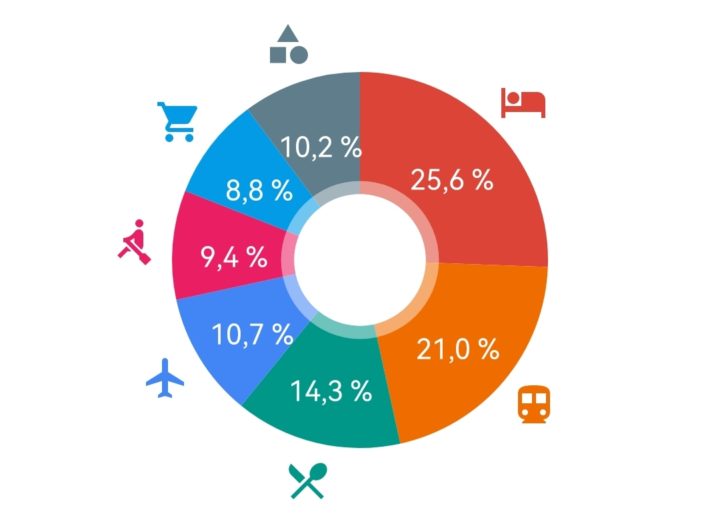
After travelling 8 months in Latin America, where everything was easy (I speak Spanish so it helps a lot) and the travel system is a bit like we know, our arrival to Vietnam after a 30h trip from Mexico was quite hard. So we mainly asked the information and fees to the hotels where we were, without knowing if it’s a good or regular price.
Also, because of our jetlag, we chose not to take night buses in the beginning, but we could have definitely get faster (with a nightbus between Hanoï and Sa Pa, and an other between Sa Pa and Ha Giang).
Looking back on this trip, the most relevant itinerary would have been Hanoi – Ha Long Bay – Ninh Binh – Ha Giang – Sapa and cross the border in the North of Laos.
Tip: You can use Bookaway to get the timetable and book your transportation.
Hanoï
Arrived by night at Hanoi, we visited the city in only a half day as it was raining as hell… We booked a tour in Halong Bay the day after (through our hotel).
Note: we paid 350k a taxi from the airport to our hotel
Imperial city, and don’t forget the exhibitions and the bunker to visit (entrance: 30k)
Ho Chi Minh memorial (nearby you have Môt Côt pagoda – not really worth it)
Train street (we sadly missed the train but it’s a fun stuff to do: take a coffee and wait for the train)
Đền Thủy Trung Tiên temple on the lake (entrance: 30k)
You also have a water Muppet show which looks fun but we didn’t have time to watch it
National history museum (again no time but looks interesting)
To stay in Hanoi: We chose to be in the center, for the amazing ambiance during the weekend and the proximity with all the sighseeings – Gia Tinh (320k a double room) – Rising Dragon (487k a double room)
Ha Long bay
Details of our 2 days 1 night tour in Halong Bay
8.30am: leaving from the hotel, did a 20min stop on the road at a shopping center
11.30 arrived in the Harbour where we took a small boat to get to our 3 stars boat. We had a welcome drink, did the check-in, and had lunch while the boat was entering into the bay
2.30pm visit of Surprise cave
3.30 small island with a very nice point of view (400 steps) and a small beach where you can swim
5pm way back at the boat stationed for the night. Happy hour (1$ off on any cocktail)
7pm small cooking lesson, Diner and then karaoke until 10.30!
2nd day:
6.15am the boat started a small cruise to an other bay where you can use kayak to visit the Skall cave
7am kayak tour all alone
8am breakfast while the boat was taking the way back
10.45am lunch at the harbour
12.30 we left the boat and get back to Hanoi
We arrived in Hanoi at 5pm.
How much is a cruise on Halong Bay? We paid 115$usd for a 3stars cruise (not included the beers, 30k and cocktails 50k). You can also take a 5 stars for a bit more but I guess the only difference is the confort in the cabin, not the program. I also have seen agencies in the street proposing 75$ for the same 2d/1n but I don’t have the details.
We could have taken a night bus to Sa Pa, as there are plenty leaving at 10pm (but arriving at 4am). We chose to take a hotel in Hanoi and a bus in the morning (ours was at 8am with Sa Pa Express from the city center but you have many other agencies starting earlier). Hanoi – Sa Pa: 6h (we paid 18$usd)
6h from Hanoï (with 2 stops of 20min), Sa Pa is located in the mountains with amazing rice fields terrasses. We arrived at 1pm, had lunch and went in our Homestay: Mintu. From there we did a small trekking to Cat Cat the first day. It was Sunday and this village was full of beautiful people wearing traditional dresses, a paradise for Instagramers!
Note: Moto taxi from Sa Pa to Cat Cat is between 20k and 50k. The entrance to Cat Cat was 90k and I heard you also need to pay for the other villages, but as we passed by the rice fields I guess we avoided it.
The second day we walked to Lào Chai and Tavan. With MapsMe you can easily do it by yourself. It’s totally ok to walk without a guide there. We started at 7am, avoiding all the tourists groups who start later and from Cat Cat. We took a coffee at Family H’Mong where we met Mimi who told us a lot of stories in a perfect English. She invited us to visit her home without asking any money while an other woman who started following us insisted A LOT to sale us stuff…
We also crossed a lot of children who almost cryed asking to buy them their bracelets. We arrived in Lào Chai around 11am and stopped for a lunch while again a group of woman was harassing us (but not so long and nothing crazy).
After a total 18km walking around this beautiful countryside, we went back to our hotel by moto taxi (60k).
Note: If you prefer to take a guide instead of walking alone, please contact a H’Mong woman guide (like Soon Yang or Chai trekking on Facebook) as the community doesn’t profit from the Tourism when you book tour with Vietnamese. It will be between 20$ and 50$ per day per person with accommodation and food. OCHAO means thank you in H’Mong
Ha Giang loop
Ha Giang was a start of a 3 days roadtrip we made with a semi automatic scooter. Here is our program:
First day
6.45am we left the hotel to avoid the cops posted 9km from Ha Giang (they might ask for your international moto driving licence but are supposed to be there only from 7am to 11am). After 45min it started to rain and we stopped 1h in a house of very friendly vietnamese people who offered us “happy water”…
9.45 we stopped to take a coffee with the view on the Heaven gate
12h30 we had lunch in Yen Minh
14h we’ve been stuck 1h by the rain
16h we arrived in Dong Van and took the North road until Lung Cu
18h30 we arrived at Ma Pi Leng homestay where we were all alone! We shared the diner with this nice family but didn’t sleep well as some neighbour put music at 3am…
Second day
We left at 7.30 am and went back to take a coffee at Happiness museum (no breakfast as they only had shrimp noodles) and went to the skypath road (only if you are good driver without vertigo)
10h30 we took a breakfast in Meo Vac before starting the “hard” part: bumpy road during 1h (nothing to be afraid of, if you need you can just push the moto)
15h we arrived at Du Gia where we had lunch at Du Gia Garden and took rest in the beautiful Du Gia Panorama homestay (we were dead!)
Third day
9.30 we left Du Gia after a great breakfast and after visiting the waterfall nearby the hotel (not crazy but if you want to swim there it’s ok) to go back to Ha Giang
After Tung Nun we took the road on the left to cross beautiful mountains
12h45 we had lunch at Quan Bia Chum Vang nearby Ha Giang
We finished our trip in Thanh Thuy close to chinese border and went back to the hotel at 3pm
Semi Automatic moto rent: we paid 180k per day + 5$ per day for full insurance via our hostel, Lila Inn (very nice, they let you us take a shower and arrange the bus to Ninh Binh) Gazoline: between 200k and 250k for the whole trip Ma Pi Leng homestay: 150k a single room for 2, 80k per person for dinner Du Gia Panorama homestay: 300k with breakfast, 120k dinner per person (to go there ask Du Gia Homestay nearby the river in the city center)
Our night bus took us directly from the hotel in Ha Giang (400k) and took 9h to arrive to Ninh Binh. The bus left us at 5am in the middle of nowhere but only 4 km from our hotel. Taxi was here to pick up us offering 200k (way to expensive: we prefered to walk).
We rented a bicycle and went to Mua Cave, Bich Dong pagoda and Thung Nam (didn’t visited the bird parc but it was 150k entrance including a boat tour). We also asked in Thung Nang how much was a tour: 150k for 30min cruise). We preferred to do the Tam Coc boat tour: 120k each + 150k a boat for 2, 1h40 cruise. Note: The paddlers often ask for tips so keep some cash in your pocket (around 50k).
Second day we rented other bicycles to go to Hoa Lu (20k entrance). You can also do a boat tour in Trang An: 250k for 3h cruise.
Rental: 40k bike, 100k motorbike Bicycle parking: 5k To sleep: Cherry homestay (330k per night for 2) To eat: Bambou homestay (around 70k a meal) To book bus tickets or get information: Review Ninh Binh
We left Vietnam to go directly to Ventiane, Laos (990k per person a night bus). One advise: be sure to have your visa before your arrival.
Summary: – 2 nights in Hanoï – 2 days boat trip in Ha Long bay – 1 night in Hanoï – 2 nights in Sa Pa – 1 night in Ha Giang – 3 days 2 night on the Ha Giang loop – 1 night bus to Ninh Binh – 3 nights in Ninh Binh
Usual prices: – Water: between 10k and 15k (sometimes small bottle, sometimes big…) – Beers: between 15k and 25k – Juice or smoothie: around 50k – Coffee: between 20k and 25k – Food: between 40k and 90k a meal – Cigarets: 15k local cigarets, 30k a Marlboro – Laundry: 40k per kg (in Cherry Hostel Ninh Binh) Note: Hotels often take 3% charges when paying by credit card
Note: We are a couple travelling for 1 year and we’ve already spent half of our time and budget and time (20000€ total). The prices mentioned in this post are PER PERSON, except for the taxis and accommodation (usually private double rooms).
Food
Mexican food is quite the same everywhere, with the same products: corn, avocado, cheese and spicy stuff! A lunch in the market cost around 60$MX.
Note: tips around 10%
Pizza: 170$MX a medium
Full breakfast: between 50 and 150$MX full
Burger: 125$MX
Ceviche: $MX
Drinks
Water: 15/25$MX
Beer: 20$MX a 500ml can in supermarket, 20/30$MX a bottle in a bar
After 2 months in Colombia, we passed 9 days in Yucatan peninsula, and then 5 weeks to visit Chiapas, Oaxaca, Puebla, Mexico, the Pueblos Magicos of Querétaro, San Miguel de Allende, Guanajuato and finally Guadalajara (total 42 days).
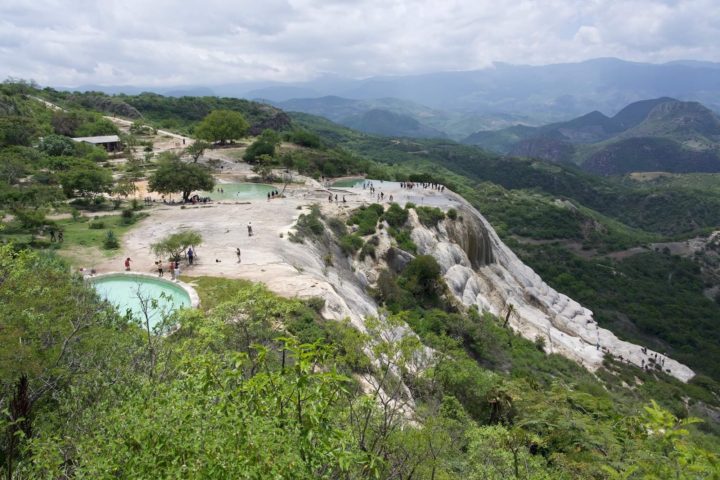
After 2 months in Colombia, we passed 9 days in Yucatan peninsula and 7 days in Chiapas. Here is the detail of what we did in Oaxaca (4 nights in Oaxaca and 5 in Puerto Escondido).
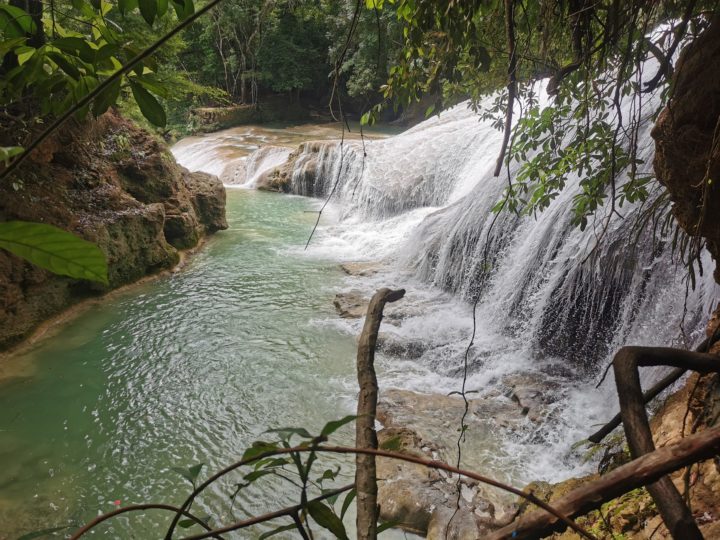
After 2 months in Colombia, we passed 9 days in Yucatan peninsula, and we have now 5 weeks left to visit Chiapas, Oaxaca, Mexico and Guadalajara regions.
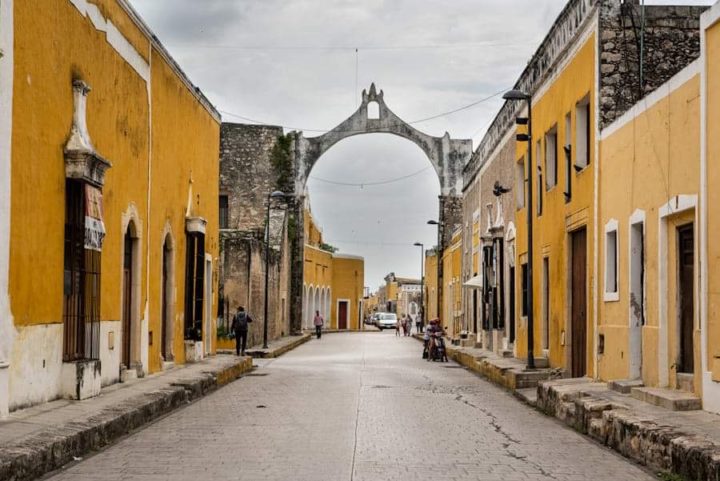
Arriving from Cartagena after 2 months in Colombia, we rented a car in Cancun for a 9 days road trip through Yucatan, Campeche and Quintana Roo. Here is our itinerary, places to visit and expenses.
I arrived in the beginning of my trip in Yucatan to DF and took one day to visit Teotihuacan site. When I came back after one week playing Indiana Jones in the pyramids, I took a week-end to enjoy the city and celebrate the “Dia de los Muertos”.
Looking back… Yucatan and Puerto Escondido were quite expensive (it’s also holidays period). With the average of 21€ for a double room, Mexico is one of the highest country in term of accomodation’s price. We spent 43€ per day per person (third most expensive country of Latin America after Chile and Brazil where it was also holidays when we were there).
We took a an evening flight directly from Cancun (with VivaAirline 1500MX), slept in Tuxtla (Los Pinos hotel, 350$MX a double room) and went to Chiapa de Corzo in colectivo to visit Sumidero canyon. We paid 16 the colectivo + 465 the tour from Chiapa de Corzo. It left us directly to the terminal of Tuxtla to go to San Cristóbal.
Note: Those same tours start in Tuxtla (9.30am to 6pm, 500$MX) with the combo 2h30 boat cruise and view points tour.
San Cristóbal de las Casas
2h from Tuxtla (60$MX by colectivo) this charming fresh city located in a valley (2200m high) is the oldest town of the region. Founded in 1528 it was part of Guatemala until 1824, before the annexion of Chiapas to the Republic of Mexico.
We did a tour for tips (starting from the Wooden Cross place at 10am and 15pm). Good local restaurant: Pisca de Canela
Villahermosa
Villahermosa is not so lovely AT ALL. The only attraction point here is Parque Museo La Venta where you will find artifacts of the Olmec civilisation (700 to 400BC) moved here from La Venta in the state of Tabasco.
Looking back: –You can also come to Palenque directly from San Cristobal but there are still conflicts around Ocosingo so be careful. – We only visited the main site but you can also take a one (long) day tour for Bonampak and Yaxchilan (around 1300$MX).
Oaxaca
Oaxaca is the name of a region and a really nice city. We wanted to visited there the Museo de las Culturas but it’s closed Saturday Sunday and Monday… Instead we did a Tour for tips (starting at 11am in front of Hotel Marqués on the Zocalo) and discovered the best “Chocolatin” in Boulenc restaurant. We stayed at Hostal Pueblo (300$Me per night for a double room and a rooftop). You have plenty of tours leaving every day around the town, but we preferred to do it alone (half day in Monte Alban and a full day at Hierve el agua).
Monte Alban is a very impressive archeological site with magnificent view on the city. Those ruins have been built from 500bc to 500ac.
Hierve el agua
Nice petrified waterfalls in the middle of nowhere, with baths where you can swim. Note: We waited 2h for the colectivo to be filled in with enough people (12 total). We missed the visit of Mitla ruins because of that…
Monte Alban: – Entrance: 85$Me – Bus: Leaving from Diaz Ordaz 407 – 90$Me with return Hierve el Agua: – Entrance: 50$Me + 15 for the road access – Bus: From Terminal de 2da clase to Mitla, 40$Me with return (around 1h) and a touristic colectivo 150$Me with return
Puerto Escondido and Pacific Coast
Transportation Oaxaca <-> Puerto Escondido: 280$Me in colectivo Villa del Pacifico (7h40). Note: if you want to sleep, prefer ADO buses. Prices: – Hotel May Flower: 500$Me a private double room – Food: between 150 and 200$Me a ceviche, 100$Me a coctail, 35$Me a Corona, 160MX a burger
As Mazunte and the beaches around had been reached by Agatha storm, we decided to choose Puerto Escondido, a very nice and enjoyable city by the sea. You have boat tours leaving every day at 7am for 500$Me a 3h discovery of dolfins, turtles and whales (depends on the season).
We finally stood there 5 nights to take a break and visit the beaches around (be aware that there is a LOT the current and swim carefully):
Playa Principal: Water is not so clear than in the other places, even if it’s quite safe to swim there, but it’s a nice place to enjoy the end of the day. Direct access from the main avenue (Pérez Gazga).
Playa Zicatela: 3km of surfing beach, with a lot of restaurants with cheap beers (between 30 and 40$Me), it’s not recommended to swim here (and you shouldn’t). Access from Playa Principal or avenida Del Morro.
Playa Manzanillo and playa Angelita: Full of restaurants with deckchairs but also shadow to lay on the beach, the water is nice and beautiful. Access by stairs calle Quinta Sur.
Playa Carrizallilo: Full of restaurants and no shadow without them, it may be the perfect beach to start surf lessons but a bit hard to swim there. Access by stairs calle Focas.
Playa Coral: with only one restaurant in a complex with swimming pool, this one was the most quiet beach, still with strong waves but good for swimming. Access by shitty but nice walk from the Mirador Las Tortugas or 20$Me by the Hotel Posada Real Puerto Escondido.
Puebla’s region
Tehuacán
After those quiet days on the Pacific coast, we went back to Oaxaca just for a night (after a 9h colectivo) and made a stop in Tehuacán. The city center is nice but nothing crazy, only the Zocalo and terrasses look nice. But we were there to visit a very nice archeological site: Tehuacan piramids.
Colectivo Oaxaca – Tehuacan: 200$MX Hotel Tehuacan: La Casa Colibri (350$MX small studio) Taxi to the ruins: 180$MX Entrance to the pyramids: 70$MX
Puebla city
With it’s beautiful historical center, this city might be in my top 3 of Mexico! Nice churches (with the amazing Capilla del Rosario), the bohemian streets and handcraft market of El Sapo, one of the oldest theater of Latin America, Palafoxiana library… there is a lot to see here! We visited the Museo Amparo with its precolonial artefacts, and Museo de las Muñecas, colection of scientific tools and a weird reduced head of a momified woman.
To go there: From Tehuacán, Reforma Norte 118 take a Colectivo to Puebla Terminal (2h, 100$MX) Taxi: we paid 100$MX from the terminal to the center, 56$MX to go back there with Uber To sleep: Hostel Vee Yuu, 350$MX a double room
Cholula
This small town owns the biggest pyramid of the World! Larger than Guizeh, it has been evaluated at 4.45 millions of m3. You sadly won’t see a lot, as it had been entirely covered. The Spanish built a beautiful yellow church on the top of the hill, destroying the temple for its stones.
From Puebla to Cholula: You have a bus around Puebla’s market leaving you on the main road of Cholula, few blocks from the city center (30min – 10$MX)
On our way to Guadalajara (where we have our flight to Vietnam), we took one week to visit the beautiful colonial cities classified as “Pueblos Magicos” full of history and nice architectures.
Querétaro
1h30 from the Terminal Norte of Mexico city, you have this very cute village full of nice churches, places and green spaces. You have plenty of houses and museums:
Casa de la Zacatecana where a woman made her husband killed, and killed herself the murderer and burried both of them in the house which is now haunted
Museo Regional in a XVIs century franciscan monastery
Casa de la Corregidora, now used as Palacio del Gobierno, where the wife of the governor informed the resistance of the arrival of the troops
Other tematic museum like MUCAL, Calendar museum, or Museo de Arte
From Mexico City: 286$MX Primera Bus Terminal norte (1h30). Then from Querétaro Terminal you can take a bus to the Alameda, the main avenue few blocks from the city center (11$MX). To stay: El Petate Hostel (500$MX a double room).
Very historical and cute city, with a pink cathedral and a lot of churches, a Mirador (point of view), great market and great (but expensive) rooftops.
We visited the Museo Historico de San Miguel, Casa natal de Ignacio Allende where we learnt all about the city and the revolution (65$MX).
We stood there 2 nights but if you have more time you can also visit a nice Botanic Gardenel Charco del Ingenío, 5km from the center and Atotonilco, a nice village nearby.
To go there: ETN or Primera Bus from Queretaro terminal (1h30, 96$MX), then you have a purple city bus just in front of the station (8$MX). To stay: Hostal Catarina (615$MX a double room).
Guanajuato
Maybe the most original city we ever been: built between hills, the streets look like a labyrinth, with underground galeries and charming architecture everywhere! Silver and golden mines made this city famous, as 2/3 of the metal were extracted from here.
The monument of Pipila offers you a nice view of the city. The huge statue represent Juan Jose de los Reyes, famous for burning the Alhondiga de Granaditas where Spanish were hidden. You also have a nice legend about Callejon del Beso (I will let you discover it), Hidalgo market, the University, Don Quijote museum or Teatro Juarez… So many beautiful stuff!
We walked 4km to the Valenciana mine (you also have buses going there) which wasn’t so interesting as you only see one galery… At least we have learned the importance of the region and saw the church decorated with the gold coming from the mine… You also have el Museo de las Momias, too creepy for us!
Every night you have a great tradition: Las Callejoneadas, where Mariachis play their music in the streets, telling the stories and legends of the city with huge groups following them! A must do (see the video).
To go there: ETN or Primera bus (180$MX, 1h30) then from the terminal you have buses going to the very center (6$MX). Hotel: Casona del Truco (476$MX a double room).
Last step of our journey in Mexico, but also on this continent, we stayed in Guadalajara to take a good rest before going to Vietnam. We found a very nice accomodation close to Chapultepec avenue (great area for the nightlife).
We sadly chose the only rainy day to visit the city center. We discovered the huge Orozco’s murals in the Palacio del Gobierno (400m2 of painting) and went to the Regional Museum. The Degollado theater was closed and with the rain we decided to pass the visit of Instituto cultural Cabañas with its 23 patios, and the Mercado Libertad with its 3 floors…
Accomodation: La Paz & Love hostal, 354$MX a double room Taxi from the bus terminal: 170$MX Bus to go to the center: 10$MX from Chapultepec Museums: Palacio del Gobierno was FREE and the Regional museum 85$MX
Oaxaca is the name of a region and a really nice city. We wanted to visited there the Museo de las Culturas but it’s closed Saturday, Sunday and Monday… Same for Yagul ruins (1h from Oaxaca) opened only Sunday to Wednesday.
Instead we did a Tour for tips of Oaxaca (starting at 11am in front of Hotel Marqués on the Zocalo) and discovered the best “Chocolatin” in Boulenc restaurant.
We stayed at Hostal Pueblo (300$Me per night for a double room and a rooftop).
You have plenty of tours leaving every day around the town, but we preferred to do it alone (need half day in Monte Alban and a full day at Hierve el agua).
Monte Alban is a very impressive archeological site with magnificent view on the city. Those ruins have been built from 500bc to 500ac.
Hierve el agua
Nice petrified waterfalls in the middle of nowhere, with baths where you can swim. Note: We waited 2h for the colectivo to be filled in with enough people (12 total). We missed the visit of Mitla ruins because of that…
Monte Alban: Entrance: 85$Me Bus: Leaving from Diaz Ordaz 407 – 90$Me with return Hierve el Agua: Entrance: 50$Me + 15 for the road access Bus: From Terminal de 2da clase to Mitla, 40$Me with return (around 1h) and a touristic colectivo 150$Me with return
Puerto Escondido and Pacific Coast
Transportation Oaxaca <-> Puerto Escondido: 280$Me in colectivo Villa del Pacifico (7h40). Note: if you want to sleep, prefer ADO buses. Prices: – Hotel May Flower: 500$Me a private double room – Food: between 150 and 200$Me a ceviche, 100$Me a coctail, 35$Me a Corona, 160MX a burger
As Mazunte and the beaches around have been reached by Agatha storm, we decided to choose Puerto Escondido, a very nice and enjoyable city by the sea. You have boat tours leaving every day at 7am for 500$Me a 3h discovery of dolfins, turtles and whales (depends on the season).
We finally stood there 5 nights to take a break and visit the beaches around (be aware that there is a LOT the current and swim carefully):
Playa Principal: Water is not so clear than in the other places, even if it’s quite safe to swim there, but it’s a nice place to enjoy the end of the day. Direct access from the main avenue (Pérez Gazga).
Playa Zicatela: 3km of surfing beach, with a lot of restaurants with cheap beers (between 30 and 40$Me), it’s not recommended to swim here (and you shouldn’t). Access from Playa Principal or avenida Del Morro.
Playa Manzanillo and playa Angelita: Full of restaurants with deckchairs but also shadow to lay on the beach, the water is nice and beautiful. Access by stairs calle Quinta Sur.
Playa Carrizallilo: Full of restaurants and no shadow without them, it may be the perfect beach to start surf lessons but a bit hard to swim there. Access by stairs calle Focas.
Playa Coral: with only one restaurant in a complex with swimming pool, this one was the most quiet beach, still with strong waves but good for swimming. Access by shitty but nice walk from the Mirador Las Tortugas or 20$Me by the Hotel Posada Real Puerto Escondido.
After 2 months in Colombia, we passed 9 days in Yucatan peninsula, and we have now 5 weeks left to visit Chiapas, Oaxaca, Mexico and Guadalajara regions.Here is the detail of what we did in Chiapas as we are currently travelling in Oaxaca:
Chiapas
Tuxtla and Canyon del Sumidero
We took a an evening flight directly from Cancun (with VivaArline 1500MX), slept in Tuxtla (Los Pinos hotel, 350$MX a double room) and went to Chiapa de Corzo in colectivo to start the tour in the Sumidero canyon. For the same price you have tours starting in Tuxtla at 9.30am to 6pm for 500$MX with the combo 2h30 boat cruise and view points tour (instead we paid 16 the colectivo + 465 the tour from Chiapa de Corzo). It left us directly to the terminal of Tuxtla for San Cristóbal.
San Cristóbal de las Casas
2h from Tuxtla (60$MX by colectivo) this charming fresh city located in a valley (2200m high) is the oldest town of the region. Founded in 1528 it was part of Guatemala until 1824, before the annexion of Chiapas to the Republic of Mexico.
We did a tour for tips (starting from the Wooden Cross place at 10am and 15pm). Good local restaurant: Pisca de Canela
Villahermosa
Villahermosa is not so lovely AT ALL. The only attraction point here is Parque Museo La Venta where you will find artifacts of the Olmec civilisation (700 to 400BC) moved here from La Venta in the state of Tabasco.
Looking back: –You can also come to Palenque directly from San Cristobal but there are still conflicts around Ocosingo so be careful. – We only visited the main site but you can also take a one (long) day tour for Bonampak and Yaxchilan (around 1300$MX).
Arriving from Cartagena after 2 months in Colombia, we rented a car in Cancun for a 9 days road trip through Yucatan, Campeche and Quintana Roo. Here is our itinerary, places to visit and expenses.
We passed 2 months in Colombia, travelling from the ecuadorian border to the caribeen coast, from April 17th to June 19th.
Note: We are a couple travelling for 1 year and we’ve already spent half of our time and budget and time (20000€ total). The prices mentioned in this post are PER PERSON, except for the taxis and accommodation (usually private double rooms).
Food
We’ve found meals for 15 soles (starter/main course/drink included).
Pizza: between 20 and 35K
Full breakfast: between 5K and 10K per person
Drinks
Water: Around 3K
Beer: Between 6 and 8K
Juice: 8K
Coffee: between 1000 and 3000
Transportation
Bus:
Pastos – Popayan 50K, to San Augustin 30K, Bogota to Medellin 87K, Medellin – Guatape 17K… For the rest please read the dedicated post.
City bus: – In Bogota they have a special bus way through the city (2800 one way and you need to pass with somebody), – In Cartagena called TransCaribe will transport you from the airport to the city center, and from the city center to the bus terminal only for 2700pesos (ask again to somebody to use their card).
Colectivo:
The best experience we had is to take the Escolera bus from Jerico to Andes (15K)
Taxi:
Do not hesitate to use Uber, or even better Cabify in the main cities as Bogota and Medellin. The drive is about 20K.
Tramway/Funicular: in Medellin you need to buy 6K a card and each way is 3K (one way works for the tram + the funicular).
Accommodation
Country
Minimum
Maximum
Average
Colombia
30K
95K
55K
€
7€
22€
12€60
Activities
We paid the entrance of San Augustin archeological parc 25K, el Purital 7K, National museum of Bogota 4K, golden museum 2K, and the most expensive was Tayrona 67,5K. For the rest please read the dedicated post.
Extras
Phone: With Claro there was an offer for 20 soles 4Gb with Facebook and WhatsApp unlimited for 30 days (we used a chip a traveler gave us in Bolivia)
Laundry: around 5s per kg
Cigarets: 5soles a pack, 27soles 10packs (they call it “brazo”)
Ayahuasca has became a huge touristic stuff in Latin America. I was surprised to see offers in the streets of Cusco, among the other tours in the Sacred Valley… It was hard to find the authentic experience I was looking for, but in Colombia I found the perfect place and occasion. Here is what happened, my recommendations and advices to have a great Ayahuasca experience:
Looking back… Colombian budget was the cheapest in South America, thanks to the 18 days we spent without paying the accomodation (in Rincón we stayed 15 days for free in an hostel in exchange of a website, and we’ve been invited in Villa de Leyva by a very nice couple – THANKS again Valerie and Romi) we spent a total of 25€ per person per day.
Let me first tell you that this place is a real paradise and a must do if you go to Colombia! Blue transparent and warm water, huge jungle full of monkeys, white sand beaches and lot of postcard landscapes! I only share here our experience, we didn’t visit Palangana area (Cinto, Playa Cristal…).
How to go to Tayrona?
Option 1: By bus & minimum 2h walk
The cheapest way to go to Tayrona parc entrances is the bus: one of the various you have between Santa Marta and Buritaca, Palomino or Riohacha. You ask to the driver to leave you at Calabazo (30min from Santa Marta) or elZaino, the easiest part for trekking (it’s the main one: 45min from Santa Marta). In Santa Marta we took it at the bus terminal (15000cop each) but we heard they also leave in front of the market (heard 8000cop).
Option 2: By boat
Second option for those who don’t want to walk is to take a boat from Santa Marta or Taganga. It cost around 150000cop round trip and leaves you at Cabo San Juan.
Think of the weight of your bad and bring the minimum.
Water (in Cabo San Juan they refill your 1L bottle for 6000cop and sell a 600ml bottle 4000cop, on Playa Brava 1L cost 7000cop).
Cash (see bellow).
Suncream + anti Mosquito.
Towel, soap and toilet paper.
A pyjama for the night.
A locker.
How much money do I need in Tayrona?
ONLY CASH / SOLO EFECTIVO: No bank there, neither card machine, so you need to calculate your budget, knowing that:
Bus in the parc: 5000cop one way
Entrance: 57500cop (low season) – only thing you can pay by card
Insurance: 5000cop/day (this insurance is obligatory. You can buy it at the entrances and extend it in Cabo San Juan)
Coffee: 2000cop, beer 6000cop, juice 8000cop
Meal: 35000/40000cop
Bakeries: 6000cop sweet one, 10000cop salty one (on Playa Piscina: cheap but really good)
Where to sleep in Tayrona parc?
You will have the choice between 3 areas and 3 kind of night: Hamak, tent or cabana. We testify only what camp we’ve seen (maybe we missed some of them).
Note: If you bring your own tent you “only” pay 30000cop.
Arrecifes:
– Several camps in the wood (Don Pedro, Bermudez / Jorge Andres): Hamak 30000cop, tent 80000cop – Breakfast 10000cop – Ecolui: 120000cop for a cabana
Good: you stay far from the croud and it’s cheaper Bad: no shadow on this beach and you cannot swim here, the closest is Arenilla (20min from here) and you have no view on the sea
Cabo San Juan:
– Only one camp (40000cop hamak with locker, 120000 tent) – Restaurant: 20000cop breakfast, 6000cop 2 coffees and a small oreo pack, 40000cop a meal, 85000cop a bottle of wine, 6000cop a beer, 8000cop a natural juice.
Good: Central area where you can swim, 20min from la Piscina, 10min from playa Nudista and 20min from Cabo del Saco Bad: A lot of tourists
Playa Brava:
– Only one camp (40000cop hamak, 250000cop a lodge) – Restaurant: 20000 breakfast, 35000cop a meal, 7000 1L of water.
Good: It was to me the most magical place of this parc (shadow, palm trees, grass…) Bad: Big walk to go there, and lot of wind (choose the hamak on your left when you arrive)
What itinerary to visit Tayrona parc?
The lazy way: walk the minimum! (yellow line)
> Take the boat to San Cabo and walk to La Piscina, playa nudista, Boca del Saco (all easy between 10 and 20min flat walks). > You can do it in a day or choose to take more time and sleep at Cabo San Juan.
The easy way: walk 2h on a flat way (orange line)
> From el Zaina take the mini bus (5000cop to save 5km). > Then walk to Cabo San Juan passing playa Arenilla (2h15 walk), La Piscina (5min). End to Cabo San Juan where you can sleep or enjoy and go back the same nice way.
The medium: climb 300m during 3km and go down (red line)
> Come to Cabo San Juan by boat > Walk until Playa Brava (2h/2h30) > You can have lunch there and go back passing by Boca del Cabo, Playa Nudista and Cabo San Juan. You can go back the same day or choose to sleep on Playa Brava.
The hard one:cross the full parc (purple line)
> Start with the easy way > Go to Playa Brava! > It’s 3h from the Calabazo entrance. > 2h30 from Cabo San Juan passing mountains in the humid jungle.
Where to swim in Tayrona Parc? There are only few beaches where you can swim: la Piscinita (until 4pm), Arenilla, la Piscina and Cabo San Juan (until 5pm). Stay with water maximum on your knees on the others beaches!
Note: we haven’t seen la piscinita, I guess it was one of the beach closed.
FIRST DAY: we arrived from Bucaramanga after a night in the bus… So we didn’t have a lot of force and left one of our backpack in the bus Terminal’s « Guarda equipaje » (luggage storage) and took a bus to Zaino entrance.
Here we paid the entrance and the insurance and took a mini bus to Castilletes area (parquadero). From there we walked to Arenilla beach where we had lunch and kept going Cabo San Juan.
We went to playa nudista, had diner and slept in cabo San Juan.
SECOND DAY: we went back to La Piscina early morning and left at 10am (check out time) to playa Brava.
The walk was hard but after 2h30 we arrived at the paradise: Teyumakke camp. Palm trees, green grass and the beautiful Playa Brava.
This area is private and for only the people who stay in the camp, but if you don’t want to sleep here you have a public beach nearby and an access to a waterfall (20min walk).
THIRD DAY: we had the most difficult walk to go to Calabazo and exit the parc (see bellow).
Easy part: Walk between Cabo San Juan and La Piscina beach
On the left Cabo San Juan, on the right la Piscina
Note: I didn’t register our walk between Parquadero and La Piscina: 4km, 2h30.
The second day: Cabo San Juan to Playa Brava
On the right Cabo San Juan, on the left Playa Brava
Ayahuasca has became a huge touristic stuff in Latin America. I was surprised to see offers in the streets of Cusco, among the other tours in the Sacred Valley… It was hard to find the authentic experience I was looking for, but in Colombia I found the perfect place and occasion. Here is what happened, my recommendations and advices to have a great Ayahuasca experience:
Ayahuasca or Yage, what is it?
Ayahuasca or Yage (in Colombia) is a traditional ceremony of indigenous people. They call it “Medicina”. It’s not allowed around the World but it’s still used in Amazonia mainly. It’s held by a Shaman, or a Taita, considered almost as a doctor. He uses a mix of 2 plants, chacruna and ayahuasca, one containing DMT (which can make you have some hallucinations), to prepare a brew not really tasty but really not so bad (it tasted like earth).
My personal experience
Well I had 2 ceremonies in Colombia: First in San Augustin and second near Minca.
The first one is really recommended, I did it with an old shaman, his wife and his friend. He doesn’t do that for tourisism, but his ceremonies are opened to everyone. His name is Chito, he will send you a taxi to pick you up at your hotel (you can give tips to the driver but it’s up to you) and the ceremony only costs 80000pesos.
The strange thing is that he won’t explain you anything, because he thinks the plant is here to help you, so I better explain the process because we didn’t understand why we passed 2h waiting for others to come, smoking tabacco without talking…
Before starting
We (my boyfriend and I) arrived around 8pm and sat around a fire in silence until 10pm, the start of the ceremony (I guess it’s a kind of meditation time). Sometimes local people come to join, but this time it was just us, Chito, his assistant and his wife. Then the shaman will dress up and prepare the room with smoke, singing and blessing the beverage.
He will invite you to drink and then everybody will lay down in a “hamaka” or mat on the ground (up to you, just be confortable because you will pass the whole night here). They’ll switch off the lights for the rest of the night, because as they say « it needs to be dark for you to see the light ». You only have the fire but I advise you to stay on your bed/hammock. Also my advice: bring a cover or a sleeping bag and if you can a pillow.
Then I cannot explain you what you will see and feel as it’s totally personal. You may want to vomit because it’s a plant that physically do that, but it’s really a detail of the night, try not to think about it. It shows that it makes effect, and it’s a good way to clean your body.
Prepare yourself
By the way it’s better to start a vegetarian diet days or weeks before the ceremony, with no alcool, no sex, no drug (even weed) no coffee or tea or even spices: more your body is clean, better will be the effect. I’m not vegetarian but somebody told me « I wouldn’t experience a spiritual ceremony with dead animal in my body » indeed… Prefer seeds (like almonds, nuts, non salty peanuts), fruits and vegetable the market of San Augustin is full of. Try to eat less sugar and fat food. Last detail: the day of the ceremony you need to stop eating 8h before the start.
The Shaman will talk to you during the ceremony, asking if you’re ok, and he might offer you a second round which is optional, up to you. He will sing few times to help to raise the effect before stopping again, leaving the place in silence.
When does it starts?
You shall feel something 45min after the first round. I personally vomited 1h30 after taking it, and I passed a night between dream and conscience. I took an other drink at 2am. Around 7am we all walked up and talked about the experience. They only speak spanish by the way. It was an authentic experience I totally recommend.
The second time it was more touristic for me. The conditions weren’t the same, it was more organized but less intense (the beverage was in shots, instead of a big cup the fist time). There was a child sleeping with us, dogs… Weird! Also they charged us 180000pesos.
The most important: the contact of Chito (tell him Jennifer, La pelirroja and Julien from France send you). He only has sms but you can ask any hotel to contact him if you can’t. We were staying at Bambu hotel and they coordinated everything (again he doesn’t speak English). Chito: +57 314 4005421
Have a good fun and if you have other question don’t hesitate to post a comment or contact me on Facebook!
My personal conclusion
To take Ayahuasca is hoping a lot of stuff… To have hallucinations, to be high, to reveal something inside of you, to see other Worlds… I cannot tell – and nobody can – tell you for sure what you will experience. The Shaman says the plant knows what is good for you, and if you react by crying, dancing or screaming it’s because you need to.
Don’t worry for the vomit or the transit you could have (I’ve been 3 times in the toilet, my boyfriend didn’t), it’s only a part of the ceremony for your body to reject any toxin it may have.
Even if I didn’t experience any transcendance, neither saw my animal totem or see my past or my future, I passed a very intense night thinking about thousands of things, hoping not to forget. But it all disapeared like a dream, leaving only good feeling. Again it’s very personal and I hope I could have help you with this post to prepare yourself about what to expect in an Ayahuasca ceremony.
When you travel you never know what to expect in term of price. As a tourist it’s always touchy as you have no idea if the price proposed is too expensive or not. Here I wanted to share with you our spendings, what you should pay for a meal, a night, and the activities like tours and so on…
We traveled to Peru during 6 weeks, fromMarch 3rd to April 15th. We’ve spent most of our budget visiting the historic places and enjoying tours in Huaraz.
Note: We are a couple travelling for 1 year and we’ve already spent half of our time and budget and time (20000€ total). The prices mentioned in this post are PER PERSON, except for the taxis and accommodation (usually private double rooms).
Food
We’ve found meals for 15 soles (starter/main course/drink included).
Cocktails: Around 15s for a Pisco Sour or Chilcano, the cheapest found was a jar at 25s!
Transportation
Bus:
30 soles Puno-Cusco, 80 to Arequipa, 50 to Nasca, 10 to Pisco, 25 to Lima, 25 to Barranca, 56s to Huaraz, 62 nightbus to Trujillo, 105 to Mancora and 31 Tumbes to Machala (Ecuador).
Carreful in Huaraz: to go to Churup laguna we paid 10s per way per person (they can offer you more telling you they will wait for you, but they always do)
We paid 20 Mancora-Tumbes to go to the border and keep going to Ecuador.
Taxi:
From the border with Bolivia to Kasani 6s, from Huacachina to Ica 10s, from Paracas to Pisco terminal 16s In Lima Uber works very well and is much cheaper than a cab
Huaraz is known for the beautiful trekkings you can do. In only one day you can visit with tours the beautiful Laguna Parón, Laguna 69 and Chavín de Huántar, but also Laguna Churup all alone. Here are the details of each hike we did.
Looking what to do in Lima, we often find the Miraflores district, plaza de Armas, cathedrals or parque del Amor… Beyond the classics, like the beautiful Museo Larco, I invite you to discover the Monumental Mateo Salado, el Parque de las leyendas, Huaca Huallamarca, Huaca Pucllana, and Pachacamac.
As we had time we decided to visit by ourselves the main sites around Cusco, and more! With this solution you can see more parts of the sites, take your time and walk cross the lands and cities in total freedom!
As we are just back from the Machu Picchu, I’m sharing with you all the tips, information how to get to Aguas Calientes, how to buy the entrance, what are the prices, the difference between Llaqta Picchu, Wayna, Huchuy and la Montaña… and where to get your Machu Picchu passeport stamp!
Huaraz is known for the beautiful trekkings you can do. In only one day you can visit with tours the beautiful Laguna Parón, Laguna 69 and Chavín de Huántar, but also Laguna Churup all alone. Here are the details of each hike we did.
Before listing the archeological sites and pyramids you can visit in Lima, let’s start with the Larco Museum, a good prerequisite to understand peruvian history!
Founded in 1926, this national museum hosts the collection of the peruvian archeologist Rafael Larco Hoyle. You will find there 45.000 artefacts of the whole Peru culture and an amazing storage, opened to public. You will learn that the Incas are only part of the last chapter and that you are here in Peru, in one of the cradle of civilization!
Surprising things:
Heads of animal and people (like in the underground temple of Tiahuanacu – Bolivia)
A representation of Africans with black hands
Guy wearing barb when people there didn’t have any
Wheels have never been used there, but they had circular weapons
Gold crown looking like egyptian’s (see Nefertari representations)
Sex statues like Asian, Greeks did (and many others)
I guess there is still A LOT to learn about the human history!
How to visit the Larco Museum: Open every day from 11am to 7pm (S/35) located Simon Bolivar Avenue 1515
Also known as Parque de las leyendas, we missed it when we were in Lima but it definitly looks great! On the same site you will find 4 huacas: Tres Palos, La Cruz, San Miguel and La Palma.
Discovery: first mentioned in 1873
Size: 150ha
Datation: 200BC > 1450AC
Composition: 53 monuments, mostly in Adobitos the tallest is 32m.
Built with vertical adobe bricks, called “bookseller’s technique“.
Discovery: Excavated only in the 80s!
Size: 20ha (only 6 today)
Datation: 500AC
Composition: Adobitos
Culture: Lima, Huari
How to visit: Open Monday, Wednesday, Friday,Saturday, Sunday from 9am to 4.15pm, you need to book online (S/15), calle General Borgono
View from calle Sarrio
Pachacamac
Piramide con Rampa 1
Considered the biggest coastal historic center, there is still A LOT of work to do here… The site is huge and only few buildings have been revealed.
Discovery: 1890s
Size: 600ha
Datation: IIIe > XIVe centuries
Composition: 16 pyramids, sun temple, hold temple, painted temple, inca temple, cementary
Culture: Lima, Wari, Yshma, Inca
How to visit: Open Tuesday, Thursday, Saturday from 9m to 4pm (S/15), located outside Lima on Antigua Panamerica Sur. Better to book online but you can still go without reservation
As we had time we decided to visit by ourselves the main sites around Cusco, and more! With this solution you can see more parts of the sites, take your time and walk cross the lands and cities in total freedom!
We were there from January 27th to March 3rd. We went to Oruro carnaval where the accomodation price is tripled during this event (2 nights). Check the details of our itinerary.
Note: We are a couple travelling for 1 year and we’ve already spent half of our time and budget and time (20000€ total fir the year). The prices mentioned in this post are PER PERSON, except for the taxis and accommodation (usually private double rooms).
Food
You can find lunch 12bs with soup and main course. For a fresh trout we paid 35bs.
Water: 6bs for 2l
Empanadas: 5bs
Market: 12bs a meal, 5bs a burger in the street
Humitas: 10bs for 2
Drinks
Water: 6bs for 2l
Beer: 10bs 75cl
Juice: 7bs
Cocktails: Pisco sour 34bs
Transportation
Transports are really cheap:
Tuk-tuk: We paid between 5 and 10bs
Colectivo: Villazon-Tupiza 10bs, Potosi-Sucre 40bs, 35bs from Cochabamba to Torotoro, La Paz-Tihuanacu 20bs.
The bus: Tupiza-Uyuni 50bs, Uyuni-Potosi 30bs, Sucre Cochabamba night bus 40bs, Cochabamba-La Paz 40bs, La Paz-Rurrenabaque 70bs. Note: You need to pay a “uso de terminal” around 2,5bs every time.
We started in Tupiza, did a 3 days tour of Uyuni, enjoyed Potosi and Sucre, a tour in Torotoro, La Paz, passed almost 2 weeks in Rurrenabaque, lived the Carnaval of Oruro, visited the ruins of Tiwanaku and finished our trip on Titicaca lake before crossing the border in Kasani.
What to do in Rurrenabaque, what is the difference between pampa and selva, how much is a tour, what you should expect, where to eat, how to get to Rurrenabaque from La Paz…
I couldn’t leave Chile before visiting this region in the border north of the country. So we booked a 3 days 4 nights tour with my chilean best friend and discovered real nature treasuries, like the region of the lakes, the geysers and warm water baths, inca’s hieroglyphs, canyons and volcanic formations, and cities lost in the desert… We Slept in a salt hotel before arriving to the main attraction: el Salar de Uyuni!
In 15 days I’ve made a trip from La Paz to Cuzco, passing through Copacabana, Isla del Sol, Valle Sagrado (sacred valley), Machu Pichu and her sister: Choquequirao! I’ve met great people on my journey, I will never forget this travel which really changed my life…
From Salta we took a night bus (2300Ars) and arrived in La Quiaca. Not much to see there but we’ve been stuck one day because of the form we hadn’t fill in online (phones and wifi connections were cut that day).
Tip: Change only the minimum of your money there (we only received 1/3 of the value of our ARS) .
Tupiza
In Tupiza we stood 2 nights: 1st day we took rest, walking only to get money, to eat and to get an Entel card (you need to register at the Multicentro – we paid 10bs for the chip and 6Go).
Second day we climbed to Cerro de la Cruz (8bs tuktuk with return).
You can also go to ride horses for 15€ for 3h, and you can start a 4d/3n tours to Uyuni for 5000bs for a group of 4 people (1250bs/pers). Instead we decided to go to Uyuni directly and take a cheaper tour from there (650bs 3d/2n).
To sleep: Hôtel La Torre (147bs, with great breakfast) To eat: Churrasqueria Moises, pizzeria The Alamo
To go to Uyuni from Tupiza: We took a bus at 12am (50bs, 5h trip)
Uyuni
Day 1:
We started with the train cimentery. You will see the first locomotive (English one) brought there in 1850 mainly to send the silver to Chile and Argentina.
Then we headed to the salar where you can only drive at 15km/h when it’s flooded. Between January and March is the rainy season.
Good thing is you will enjoy the biggest mirror of the World. Bad thing you cannot access at Incahuasi island during this period.
After a quick stop to the hotel to leave the food, we went to the “Ojos del Salar” where gaz is escaping.
Then we had lunch near to the Dakar monument and the flags island. We enjoyed a full afternoon in the salar, playing with the mirror effect and staying until the sunset, the most beautiful of our life!
We slept at a nice Salt hostel called Hostal Dulce Salada.
Price of Uyuni Tour (3d/2n): 650bs/person Included: 2 nights, food and boots (only necessary when you have the mirror effect, as the water can be 20cm deep). Not included: – the entrance of Parque Eduardo Avaroa (150bs) – the toilets (between 2 and 5bs) – the hot shower (20bs) Contact of our guide: Edwin +59163683925
Day 2:
We left at 8am for a long road to Valle de las Piedras where we had lunch. Then we passed by the volcan Oyahue and lagunas Hediondas and Honda and finally the Siloli desert (with the Stone Tree).
we arrived at the entrance of the Parque Eduardo Avaroa at 5pm (150bs the entrance) and visited the mirador of Laguna Colorada (best time is before 4pm to appreciate the colours).
Day 3:
We woke up early to leave at 5am to appreciate the smoke of the geisers. At 7am we enjoyed the hot water of Chalviri and had a great breakfast there. We crossed the Dali desert and headed to Laguna Blanca, Laguna Verde and Licancabur volcan. The tour finished there and we went back to Uyuni passing the beautiful Laguna Kara and Laguna Pastos Grandes. We were back around 6.30pm.
To sleep in Uyuni: Hostal Nichkito (147bs double room with breakfast)
How to go to Potosi from Uyuni: We took a bus at 11.30am (30bs) around 4h trip. You have many more departures all day long from the « terminal » Calle Arce.
From the bus station we went directly to our hostel: a nice colonial house near by the center (30min walk going up to the hill, I would recommend to take a cab instead).
The Casco Viejo is really beautiful. Potosi was the center of the World in the XVIIcentury due to the Cerro Rico full of silver. It’s also the second highest city of the World (4070m)! You can visit the mine still in activity, and still using people in very bad conditions (we didn’t)…
On the main place you have a statue of Liberty copy in bronze which was dressed only 4 years after the one of NYC to celebrate the century of the Bolivian independance.
The day after we visited the Money museum (40bs) and the cathedral. You also have the Torre de la Compañía but it was closed at that time.
To sleep: Hospedaje Maria Victoria (140bs double room with breakfast) To eat: American Burger (22bs)
Sucre
Considered for a lot of people as the capital of the country, it was indeed the center of upper Peru. Called Chacras, and then la Plata, this city with its white buildings is one of the most beautiful in Bolivia (and Patrimony of Humanity). If you want to enjoy the market you can have lunch on the 3rd floor with good Sopa De Mani (5bs) and Chorizo (15bs). The cemetery also worth the visit.
Casa de la libertad
Known as the first historic monument of the country, it’s where has been signed the independency. The tour guide will teach you the history of the revolution, talking about Bolivar, Sucre but also Juana Azurduy (entrance: 15bs)
Convento San Felipe
Before used as a Catholic Church and convent, it’s now a college you can only visit it from 2pm to 6pm (ring the bell on Nicolas Ortiz Street to enter). You will visit the church, the roof and if you’re luck the crypt! (entrance: 17bs)
Recoleta
Nice walk with nice view on the city. Not much to visit but the view worth the climbing!
Museo of etnology (musef)
Free museum with a lot of research made around the local traditions to understand the diversity of the Bolivian people. It stood in an old classical bank and house of Francisco Algardonia.
Cafe de la torre
Nearby the main place, this old church tower is now a coffee. You can enjoy a good breakfast behind the bells with great view on the city!
San Francisco church
Old Franciscan church with a terrasse on the roof to enjoy a good coffee!
Torotoro
From Sucre we took a night bus to Cochabamba (we left at 9pm and arrived at 4.30am) then a taxi to the colectivo at 6.30am. We arrived at 10am and went to the parc office to buy our entrances (100bs each). Behind this office you have the guides who presented us the options (you can split the cost with a group):
Hellas de dinausorios (dino’s footsteps), the Vergel waterfall and the Gran Canyon.160bs (60 for the transport and 100 the guide)
Stone cathedral and ciudad de itas with cave speleology. 600bs for the transport and guide, and you need to add 12bs for the equipment and 2.5bs for the cave entrance per person
Tortugas cimentery and siete vueltas: 320bs
The processMap of the trecks
As we were only 2 we took the first option. Our guide told us the moto taxi was cheaper if needed!
How to go to Torotoro: The only way is to take a colectivo (35bs, 3h trip) from Cochabamba (Avenida Vallegrande – 20bs from the bus terminal or 30min walking)
La Paz
Here is a list of the main sightseeing’s in La Paz:
El alto and the biggest market in Latino America every Thursday and Sunday (best is to take the yellow line to 16 de Julio to have the full view of the city)
Mirador Killi Killi
Cementary
Archeology museum (closed for CoVid reason)
Historic center with Plaza Murillo and street Jaén
Plaza mayor de San Francisco and behind it the witch market (Calle Linares and Santa Cruz)
Challuma Hill with it’s coloured houses (above the red line)
In one day you can also go to visit the Valle de La Luna or the Death Valley by bike.
Where to eat or take a drink: – El Bestiario (café teatro with various shows and great food) – Costilla de Adam (craziest decoration ever) – Cafe Typica (in a nice garden) – El Popular: Gastronomic for only 70bs the menu (only for lunch) – DT Brew house (real draft beers)
– How to go to La Paz from Cochabamba: From the Terminal there are plenty buses leaving all day long. We paid 40bs per person with Flota Cosmos (around 7h trip) – How to go to La Paz from Rurrenabaque: You only have night buses leaving around 7pm. Check more info about Rurrenabaque. – How to go to La Paz from Oruro: 35bs bus from the terminal, with plenty buses leaving all day long!
Oruro carnaval is one of the biggest celebration in Latin America, on Unesco List of the Intangible Cultural Heritage of Humanity.
Accomodation during Oruro Carnival: Prices of the hotels are amazingly raising for this event, so we shared a room with an other couple (784bs per night for a room with 4 beds).
Seats tickets for the Carnival: You need to pay if you want to be seated and enjoy the parade of the 50 folkloric groups. We heard prices of seats between 150bs and 500bs, and we paid ourselves 220bs for the two days (from 6am to 2am). You buy it directly where you want to be seated.
Parade: The parade starts from Avenida Villaroel, follows Avenida 6 de Agosto, Calle Bolivar, Plaza 10 de Febrero and ends to the Santuario Socavon (with dancers and musicians on their knees in respect to the Virgin).
The city hasn’t really big interest, appart from the Virgin Monument you can reach by teleferic (20bs per person one way). We also visited the cathedral and Sovacon museum which is an old mine with a small sanctuary to Tio God (14bs for 15min visit + 3bs if you wanna take photos). This visit also includes a second museum with old artefacts found in the region and the traditional masks used during the Carnaval (small but nice).
How to go to Oruro from La Paz: A lot of buses are leaving from the city center terminal. We paid only 25bs to go, and 35bs to go back.
Tiwanaku (Tiahuanacu) and Pumapunku ruins
After this week-end of carnaval we went back to La Paz for a night and left for Tihuanaku by the morning. Those ruins are incredible and the guide told us a lot about the history and traditions of Tiwanaku tribe. You can visit there a site with 3 temples, a piramid, a cimentary and 2 museums: one about ceramics, the second about llama and the biggest statue found on the site and in South America (Bennett Monolyth, 7.2m).
Entrance fee: 100bs for tourists. Guide (I recommend): 80bs for the main site, 130bs for the 2 sites and 2 museums (we only paid 100bs for the whole tour, sharing with a Bolivian family).
To go to Tiahuanaku from La Paz: Colectivo from the Terminal de Transporte Interprovincial de El Alto (close to the teleferic Estación UPEA). Around 1h30 and between 15bs and 20bs (if you cannot find colectivos for Tiahuanacu you can take one to Desaguadero: They’ll leave you on the main road, 30min walking to the city center and the ruins). To go back to La Paz we only paid 8bs picking a colectivo on the main road.
From the Terminal de Transporte Interprovincial de El Alto we took a colectivo to Copacabana (20bs, 3h) right after coming back from Tihuanaku. We arrived by night and visited the city the day after.
We climbed to the hill of Horca del Inca, the Inca rock (falsy baptized by the Spanish when they arrived: Pachataka means “place where time is measured“). You can see there an old observatory made with 3 stones, but also stones cutted to be send to Tiahuanacu (said by the gardian who requested 10bs to go there). It would be great to have a guide there to tell us a bit more about this unknown site… We also saw a beautiful sunset on Cerro Calvaro, second great mirador.
Second day we took a boat to the North part of Isla del Sol, which just reopened in December 2021! We paid 50bs round trip and as the boat was late (he left at 10am instead of 9.30) we went directly to the ruins (usually the boat leaves you on Challapampa Beach where you walk 45min to arrive to the ruins). It gave us the time to visit quickly the ruins (in 20min) and to go to the south by walk (3h – 9km). You can also go back to the boat which wait until 2pm before going to Yumani (south).
Warning: The floating islands are FAKE! The real ones are in Peru (Puno). The ones they have on Isla del Sol or nearby Copacabana are made with barils and wood! Worse: they made you fish the trout from a fishnest…
Summary of our trip: Day 1: Villazon – Tupiza Day 2-3: Tupiza Day 4-5-6: Uyuni tour Day 7-8: Potosi Day 9-10: Sucre Day 11-12-13: Torotoro (Julien was sick so we took rest there but 2 days are enough) Day 14-15: La Paz Day 16 to 24: Rurrenabaque Day 25-26: Oruro Day 27: Ruins or Tihuanaku Day 28-29: Titicaca
Some words in Queshua: Acuripuna = vamos Eminacachanki = como estas Eminaparanicun = como almarecieron Vicuricuna = hay que comer Misky = rico Pachi = gracias
Crossing the border La Quiaca – Villazon
You first need to validate all this documentation in the Bolivian desk before having your exit stamp from Argentinian desk.
Then you will cross the border to the health center where they take your temperature and age, and finally you will be registered in an other desk (they will send you print the copy of your passport with the page of the Argentinian stamps).
Here we had the surprise not having our passeport stamped: they gave us a paper instead saying you will have to register everytime you arrive in a new place on their website (codes are your passeport number).
Crossing the border in Kasani to Peru
We exchanged our last pesos bolivianos in Copacabana with a perfect exchange rate (700bs => 379soles). We took a colectivo for 3bs per person (leaving on Plaza Sucre) to Kasani to cross the border. On Bolivian side they checked our updates on the migration website, and on Peruvian side they requested our vaccines and made us fill a form before checking our vitals. It was very fast (30min total to cross). Let’s go to Peru!!!
We’ve spent a first week in Argentina from December 29th to January 6th, and went back to Saltafrom January 19th to January 27th where we rented a car (again I’ve split this spending in accommodation + transportation).
Note: We are a couple travelling for 1 year and we’ve already spent half of our time and budget and time (20000€ total for the year). The prices mentioned in this post are PER PERSON, except for the taxis and accommodation (usually private double rooms).
Prices are indicated in Euro as we were using the Blue rate (see the yellow post).
Food
Restaurants are kind of fency. We had a great breakfast in Mendoza for 6€ and a great bbq meal for 16€72 with meat and a bottle of wine to share.
Burger: 7€ in a restaurant
Full breakfast: 3€
Coctails: Ron coca 2€65
Drinks
Water: 0,70€
Beer: 2€20 a 500cl bottle
Juice: 1€60
Alcool: in a shop we paid only 10€ for 4 beers and 2 wine bottles!
Cocktails: Ron coca 2€65
Transportation
Bus Mendoza – Buenos Aires 51000clp (Julien’s drone has been stolen in his bag locked in the suit). Buenos Aires-Iguazu (See the detail of the trip)8500ars. Night bus Salta – la Quiaca 10€.
After a quick trip in Brasil we arrived in Salta from where we started a 4 days road trip.
Note: When we talk about “Salta Valley” we are often mistaken: in this North Western part of Argentina you have Salta but also Tucumán and Jujuy regions.
Quebrada de las Conchas
First day we rented a car in Salta and took the road direction to Cafayate (on road 68). After 2h driving through vineyards and green mountains we arrived in this magical valley of colored mountains and crazy points of view. It took us around 4h to get there (with a lot of stops!). We slept at Tierra de Vinos Hostel.
Garganta del diablo
Anfiteatro
Los Castillos
Quilmes Ruins
After a night in Cafayate and 1h30 drive (part of road 40 in a good shape), we arrived in Tucumán region and visited the sacred city of Quilmes (entrance to the site: 400 pesos including a nice museum plenty of information about the story of this place and people).
We crossed the mountains to go to Tafi del Valle where you have the huge Angostura lake. Sadly we didn’t have time to stop by as we needed to be in San Salvador de Jujuy for the night… We crossed the Parque Aconquija: after the desert you are here in a huge rainforest! We arrived in our hostel (Patricia’s 381) by night after a long national road (5h from Tucumán).
Tip: From Cafayate if you have a 4×4 I advise you to take North and go to Cachi and San Antonio de los Cobres by road 40 and join directly the Salineras Grandes. You can still visit the ruins (1h30 from Cafayate), and you will only loose Tafi del Valle and the nice forest but you have an other one between Salta and Jujuy on road 9).
1h north of San Salvador de Jujuy you have this marvelous valley to visit! Only entrance fee to pay: at Garganta del Diablo (150 pesos, time spent there: 40min).
Purmamarca & Los Colorados
Small but so cute village at the feet of colorful mountains. You can park your car at the entrance fence and climb to the Belvedere to have a full view on the city. You can also drive (or walk) into the colored canyon right behind and go to the Mirador los Colorados.
Maimara & Cerro Paleta del Pintor
This small city is again at the feet of crazy stribed mountains. You can climb the Mirador el Monolito to have a nice global view.
Tilcara & the Garganta del diablo
Tilcara is a beautiful andinian city with a famous celebration in january: Enero Tilcareno. From the town you can go up to Garganta del Diablo (30min driving) offering a huge view on the city and the valley. You also have a small Tilacarian Pucara to visit.
Quiaca & the Quebrada de las Senoritas
Cute but very small village, it’s the entrance to a small trekking where you will walk into a reddish canyon and white and gold picks. Total: 4km, 1h30 walk (easy).
Nice city and stop of most of the tours (a restaurant didn’t accept us because we were not part of a group). It’s also where your start your 40min ascension to the magical Serrania where the access is managed by the community of Hornocal.
Entrance: 10h-18h, 50 pesos/person Tip: Remember to bring water and to climb in zigzag if you don’t want to feel the 4300m high.
Salineras Grandes
We slept there to see the sunrise and enjoy the place when it’s still peaceful, before the tourists arrival! On the north side you can go freely. Between the salar and Purmamarca you also have the beautiful Cuesta de Lipan road with a lot of Miradors.
To access to the southern part of the salar you need to ask a guide or to take a tour.
Our best moments
Summary of our trip: Day 1 – Salta, Quebrada de las Conchas, Cafayate Day 2 – Ruins of Quilmes, Tafi del Valle, Parque Aconquija, San Salvador de Jujuy Day 3 – Tilcara (garganta del Diablo), Humahuaca, Serranias de Hornocal Day 4 – Salineras Grandes, Purmamarca back to Serranias, Quebrada de las Senoritas, Tilcara, back to San Salvador de Jujuy Day 5 – Back to Salta via the nice Caldera road (needed to be there at 1pm for the car)
About the car: – To rent a car you will need a credit card for the garantee! We didn’t but we negociated with Ô Carrol to use my mother’s one (7500 pesos/day). – We did all those roads with a compact car, no need 4×4 (only for the road 40 we didn’t take). – Only parking we paid was in San Salvador de Jujuy: 700pesos a night (with our hotel). – Only toll: 80pesos from Tucumán to San Salvador de Jujuy
Coming from Buenos Aires (after the visit of Tigre), the direct bus was full so we had to take a bus from Retiro to Posadas (8500RS per person – 14h in a night bus) and an other to Puerto Iguazu (100ARS – 6h). You also have the WAY BETTER OPTION: take a national flight (only 2h with Jet Smart or Aerolineas Argentina).
We visited the waterfall park in one day: by bus it’s only 30min (17ARS one way)and the entrance costs 5500 or 4675 ARS if you pay online.
How to cross the border Argentina => Brazil
It took 4 hours to cross the border by ourselves:
11h40: We take a bus from Puerto Iguazu bus station.
11h55: It stopped first for the people who were only crossing for one day (in that case they check your vaccines and give you a simple paper).
12h15: We crossed the argentinian custom to get our exit stamp (here they usually ask for the “declaracion jurada”, the same to get into the country).
12h30: Our bus left us at the Brazilian border (telling us we’ll need to get the next one). Here you only need to fill in a simple information form to have your entry stamp (no vaccine neither PCR documentation has been asked).
15h: The next bus finally arrived! It was supposed to be every hour but not this day apparently…
15h30: We arrived in the Rodovaria (bus station).
Price: 500 ARS with Rio Uruguay (you can also take a cab which will charge you 7500 ARS with return for one day, or R$ 150 from the border to the center)
Foz do Iguaçu
We had the entrances booked on internet at 8h30 for the bird parc and at 11am for Iguazu. Timing was perfect! The city bus left us in front of the bird parc and we only had to cross the road to arrive in Iguaçu falls. A guide tried to sale us the boat tour but the water is so low that I don’t really see the point (you couldn’t really get close to the falls because there was not enough water…). The visit of the falls in Brazil is very fast (only 1km50) and you cross the parc by bus, but it gives you a nice view of the falls you can’t have in Argentina.
After this nice visit we were back in town at 2pm and had some difficulties to get our bus online to go to Florianopolis (they ask for CPF, a national number we didn’t have). Hopefully the guy from the hotel sent us to Ambatur agency were we get our tickets (see detailed transportation).
To sleep: Pousada El Shaddai R$ 140 private triple room. To go to the parcs: Bus number 120 from all over the city center, every 20min, R$ 10 with return (around 1h trip)
After a quite good night in the bus we arrived to the Rodovaria (in the city center of Florianopolis). At 300m of this arrival, you have 2 others terminals for city buses to go everywhere you want! We chose a central position: Lagoa da Conceçao (bus ticket: R$ 11). We found a dorm in Vizoo guest house for R$ 60 per person/night.
First day: Joaquina dunes and beach
We walked around 1h30 (with a nice stop at Marquês da Lagoa, a bar I totally recommend with live music) and found a path to the dunes: Trilha Dunas da Joaquina. We had lunch on the beach full of bars and music. We went back by bus (only R$ 9).
Second day: Barra da Lagoa
We took a bus at the Rodovaria for R$ 9 to go to this nice beach and walked into the hill where you have smaller beaches (follow Trilha das Piscinas) but also a beautiful view from the Farol da Barra (lighthouse). The path is kind of wild: very good experience!
Street of Paraty
Paraty
After a night bus to São Paulo and a second 5h bus (see the details) we finally arrived in Paraty and found the first hostel available. We discovered a little paradise here: small colonial streets, no car, and a lot of tours you can book for the day to discover the islands around. As we had booked our plane to go back to Argentina we only had one night there, but it definitely worth more time!
To sleep: Janlu Hostel, R$ 120 double room
Ilha Grande
We took a public transport from the bus station for only R$ 17 (no need to book in advance, you pay directly to the driver and it’s almost every hour). After 2h we arrived in Angra dos Reis and waited for the ferry (see the details). We booked 2 beds at Ocean View hostel for R$ 72 per bed).
1st day:
Playa Lopes Mendes walking through the jungle for almost 3h. We went back by taxi boat (R$ 40 you can take on Pouso beach every hour).
2 day:
Meia Volta (half tour of the island by boat) R$ 120 from 10 to 4.30pm to do snorkeling in Lagoa Verde and Lagoa Azul, have a lunch break and enjoy Praia Amor and Praia Feiticeira.
Street of Ilha Grande
Marcelo and Maria Isabel place
Rio de Janeiro
We took the ferry back at 10am and the bus at 12.30. We arrived in a luxuary house in Santa Teresa: At Marcelo and Maria Isabel.
We were there during the holiday period where prices are hard to negociate, from January 6th to January 19th. We went from Iguazu to Rio and took a plane back to Salta.
Note: We are a couple travelling for 1 year and we’ve already spent half of our time and budget and time (20000€ total for the year). The prices mentioned in this post are PER PERSON, except for the taxis and accommodation (usually private double rooms).
Food
We paid 180$R per person for a “all you can eat” meat restaurant! The rest was much more cheaper…
Burger: 35$R
Full breakfast: 28$R
Pizza: 60$R
Drinks
Water: 6$R
Beer: 14$R
Alcool: around 20$R caipirinhaor a ron cola
Transportation
Bus:
We took night buses from Iguazu to Florianopolis (241$R), and from Florianopolis to Sao Paulo (155$R), then a bus to Paraty (90$R), to Angra del Rey (17$R) and to Rio (66$R)
Locker in the Terminal: 10$R
City bus to Iguazu: 10$R with return
City bus in Florianopolis: 4,5$R
Ferry to Isla Grande: 19$R (see the details) Taxi boat from a beach to an other: 40$R
Tram and Metro in Rio: The fee depends on the hour, we paid 12$R once and 7$R an other time.
Uber: From Santa Teresa in Rio to the airport: 35$R
After visiting Iguazu falls from the argentian side, we decided to cross the border and enjoy a Brazil East coast! From Foz de Iguazu we went to Florianopolis, Paraty, Ilha Grande and finally Rio for a total 13 days. I share with you the detail of the trip and transportation!
Ahhhhh Rio! I think this is one of the best city I’ve ever visited… I’ve been there first for the Carnaval and on various professional trips, and I always enjoyed the weather, the people, the music, the ambiance…
Looking back… We’ve spent a total of 51€ per person per day (the most expensive of our trip) but we were in the middle of the holidays so I guess the prices were superior than the rest of the year.
Tigre is a very nice city outside of the capital you can reach by train in only 1h. There you have plenty of stuff to do, lot of restaurants, shops, fisherman life and gorgeous houses nearby the river. The boat tour is a must do to fully discover this delta and the famous Rio de la Plata!
Visit Tigre
Coming from Atacama, in Chile, we arrived in Buenos Aires for the New Year’s eve, and visited Tigre the 2nd of January. As a bank holiday, it was really full of local tourists in a family ambiance.
If you need more calm, avoid the week-end, otherwise it’s a very nice place you can visit in only one day and go back to Buenos Aires in the evening, to take a bus or plane to Iguazu or Salta!
El Retiro train station
How to go to Tigre?
EASY PEASY: By train!
From Buenos Aires, there is a very simple and cheap way to explore this beautiful city of Tigre: The train (only 30km, 1h)!
You need to go to El Retiro train station, buy a ticket at the old counter (74 ARS) and get on the first train (leaving every 30min, starting from 5am to 9.30pm)!
From the train station of Tigre, you only need to walk 5min to find the main canal where all the boat tours are (between 70 y 185 ARS depending the tour you pick).
Don’t forget to take a look on the Puerto de frutos, very nice area where you can have lunch by the river.
After visiting Iguazu falls from the argentian side, we decided to cross the border and enjoy a Brazil East coast! From Foz de Iguazu we went to Florianopolis, Paraty, Ilha Grande and finally Rio for a total 13 days. I share with you the detail of the trip and transportation!
We are staying in this beautiful region waiting for the borders to open. As the main sites are currently closed, we found great alternatives and discovered new amazing places! I’ve already visited and described the main sites in a previous post, but I wanted to share here the info up to date.
We travelled to Chile from October 30th to December 29th. We rented a van for 2 weeks in Patagonia where the accomodation and food are really expensive (I’ve split the rental fee in two: accommodation + transportation). We’ve also spent one month in a friend place in Atacama, waiting for the borders to open.
Note: We are a couple travelling for 1 year and we’ve already spent half of our time and budget and time (20000€ total fir the year). The prices mentioned in this post are PER PERSON, except for the taxis and accommodation (usually private double rooms).
Food
A main course in a restaurant is about 10000/15000clp but you can find lunch for 5000clp with starter and main course.
Chorillana + Beer 75cl: 17000clp
Completo + Beer 75cl: 10000clp
Sandwich in the street: 1000clp
Drinks
Water: 1500clp 2l
Ice: 800clp
Juice: 1100clp in the street
Wine: around 3500clp a bottle
Cocktails: Pisco sour 3000clp, Terremoto 3300clp
Transportation
Taxi: in Santiago Iber works pretty well and is cheaper than a taxi.
Bus: I advise you to book in advance on recorrido.cl. We have been from Santiago to Valparaiso (Turbus 4000clp), to Pucon (nightbus 18000clp), to Temuco (4000clp), to Santiago (nightbus 10000clp) to Calama (55000clp) and to San Pedro de Atacama (3500clp). From Calama we had a bus cancelation and had to take a bus to La Serena (46000clp) and an other one to Santiago (20000clp). We crossed the border taking a bus Santiago – Mendoza (40000clp).
Accomodation
Country
Minimum
Maximum
Average
Chile
20.000clp
38.000clp
31.455clp
€
21€
40€
33€
Activities
We’ve spent 12% of our budget in:
Patagonia: Ventisquero colgante 8500clp, Termas 20000clp, San Rafael glaciar 150000clp, exploradores 80000clp, Marmol 15000clp. > Check the detail in the dedicated post
We are staying in this beautiful region waiting for the borders to open. As the main sites are currently closed, we found great alternatives and discovered new amazing places! I’ve already visited and described the main sites in a previous post, but I wanted to share here the info up to date.
We rented a van in Pucón for 16 days to discover the amazing Chilean Patagonia and its famous Carretera Austral. I’m sharing here all the good tips and what you need to know to do the same or better than us!
To celebrate my 30 years old I was on this mysterious island, one of the most isolated, with my mom. In 4 days we achieved to visit the majority of the sites. It’s one of my favorite trip and defintly my best birthday ever!
Atacama is a region situated in north of Chile, less than 2 hours flight from Santiago, I’ve been there various time and always prefered to rent a car instead of taking a tour.
I lived almost 3 years in this city so I know it pretty well, and lived my best years there! Between Europe and Latin America, you can find everything in this modern city, but for a tourist I would just recommend few days there, as Chile is very different from its capital!
Looking back… The van trip in Patagonia represent a huge part of our budget but has been balanced with the month spent at Tanguy’s place (our friend in Atacama: THANKS AGAIN DUDE!)
Total spent: – Average of 40,65€ per day per person
We are staying in this beautiful region waiting for the borders to open. As the main sites are currently closed, we found great alternatives and discovered new amazing places! I’ve already visited and described the main sites in a previous post, but I wanted to share here the info up to date.
Does it still worth it?
YES!! Definitely! Totally!
Even if the most famous places are closed because of the CoVid crisis (see the detailed list bellow), you can still enjoy this amazing region, renting a car or taking tours with Horizonte Atacama which is a new company owned by great guys I know – you can say you know me 😉
Tourism is coming back slowly, so we were mostly all alone during all those trips, perfect timing!
How many days?
You should stay at least 5 days to do everything’s mentioned in this post:
Valle de la Luna access is now controlled and closed, but you can take an alternative path via road 23: Vallecito. The access is officially forbidden, but we left our car before seeing any warning sign. We walked around 6km to enjoy the view on the cliffs and went to see the Magic bus. You could drive or walk more, only need is water, hat/cap and solar cream! I advise you to start the day with this trekking and keep going to Rainbow Valley the same day.
Valle Arcoiris
To find it it’s easy: after Yerbas Buenas and the Petroglyphs (still closed) the road goes down to a bridge, and you need to take the road on the left BEFORE this bridge! You will drive around 3km into the canyon, passing small rivers and arriving to the first green mountains where you will need to turn left. You can go freely in this canyon following the road (doesn’t take long but really worth it).
Vallecito
The Magic Bus
Valle Arcoiris
Salar de Atacama and Piedras Rojas
Mirador Aguas Calientes close to Piedras Rojas
From San Pedro you can go south (Toconao direction) and start your trip visiting the Eyes of the desert – los Ojos del desierto (two big holes in the middle of the earth). You will pay the entrance (5000clp cash or credit card) and go to Laguna Tebenquiche. If you have time you can also go to Laguna Cejar when you can swim in a salty lake (15000clp, only in the morning as the afternoon are for groups).
It’s now a cul de sac, you will need to go back to the main road and can keep going to Piedras Rojas (Toconao,Laguna Chaxa and Lagunas altiplanicas, Miscanti, are closed).
You cannot go with your car neither walking to the Piedras Rojas (COVID) but you can still enjoy a beautiful view from the miradors by the road, and go to Laguna Toyaito and Laguna en Salar El Laco (near the argentinian border, still closed).
Note: You should prepare a sandwich as Toconao and Socaire are the only cities you will cross, and they are closed for Covid reasons.
Cactus Canyon
Before having a break in the nice baths, you should totally visit the Guatin Canyon, also known as Canyon de los Cactus and Cascadas Escondidas. When you come from San Pedro, you will find a small path right before Guatin, on your left (you will see the cactus anyway).
We walked 6km but couldn’t reach the end of this valley. We were there at the end of the day but for a better light I would recommend to go in the morning.
Once you’re tired of walking you can enjoy natural baths: termes. Because of the COVID, the baths you can find in Puritama must be booked and it costs 120000clp.
You have a magical alternative you should enjoy while it’s free: Puripobre. Passing Guatin, on the way of the Geisers, you will find this amazing Quebrada Escalera full of reeds and small waterfalls. After 20min walking you can freely enjoy it as there are plenty of baths with hot water.
If you take East you will reach 4820km high and discover new landscapes! You will pass Quebrada Quepiaco, and can recognise the Monjes de Pacana entrance with the head of the Indian (a huge stone you will see on the left of the road). You can keep going to the Argentinian border, where you discover the Mirador Pacana Caldera, Laguna Quisquero, and the mirador of Paso Jama.
Lago Verde
Monjes de Pacana
Paso Jama Mirador
Salar de Tara
Geisers of Tatio
To go to the Geisers without having 1000 tourists with you, you shall arrive before the sunrise or later. I did both and I recommend early in the morning to really appreciate the effect of those Geisers and the big smoke towers they make! I also heard that it can be cool for the sunset… Usually you can even take a bath there but it’s still closed (Covid again).
San Pedro & Catarpe
Back to the city you can visit the center, enjoy the handcraft market (on the main place), eat a nice empanada or enjoy good restaurants and bars…
Near San Pedro you have Catarpe. It’s a private green land where you can currently see a nice church (visit actually closed) and Garganta Del Diablo. It’s a 8km trekking into a dry canyon leading to a huge point of view (need to climb a little, total 2h walk). You could also rent a bike in the city center!
The entrance fee for Catarpe is 3000clp and includes also an old mine tunnel and ruins actually closed. Pukara de Quitor and Death Valley accesses are also closed.
Places to eat & drink in San Pedro (doesn’t need your Pase de Movilidad but sometimes your ID): – Adobe, great atacamenian food – Emporio Andino for their empanadas – Jardin Mareki, nice terrasse! – Roots for a nice Sangria – La Picá del Indio, cheap and fast
Geisers del TatioMirador of Garganta del Diablo
To buy supplies in San Pedro: The only mini market is located on Camino del Inca street, called Ketal.
Summary of what is open and closed as of today, December 16th 2021
South:
Valle de la Luna: CLOSED but you can visit Vallecito and the Magic Bus instead
Salar de Atacama: OPEN except Laguna Chaxa – 5000clp for Tebenquiche + Ojos, 15000clp Laguna Cejar
Cities of Toconao and Socaire: CLOSED
Lagunas Altiplanicas: CLOSED
Piedras Rojas: CLOSED but you can still go to the miradors
East:
Salar of Tara: CLOSED
Monjes de Pacana: OPEN
Uyuni tours: CLOSED
North:
Pukara de Quitor: CLOSED
Catarpe: Only the church and Garganta del diablo are OPEN – 3000clp
Baths of Puritama and Puripobre: OPEN
Geisers of Tatio: OPEN (but cannot access to the baths) – 15000clp
West:
Petroglyphs of Yerbas Buenas: CLOSED
Valle Arcoiris: OPEN
Valle de la Muerte: CLOSED
Piedra del Coyote: CLOSED but you can still see the sunset on Cordillera de Sal mirador
The cheapest way to arrive in San Pedro if you don’t rent a car is to go to Calama city center (around 3500clp taxi or Uber) and to get a bus: Frontera del Norte, Buses Atacama 2000 or Turbus (3500clp). Second option is to book a TransVIP (13000clp).
We rented a van in Pucón for 16 days to discover the amazing Chilean Patagonia and its famous Carretera Austral. I’m sharing here all the good tips and what you need to know to do the same or better than us!
Best option: the van!
You will quickly learn 2 expressions of this region:
«All that runs here is the wind » and « Who hurry in Patagonia looses his time ». Both are really true: to enjoy this trip you need to have time (2 weeks is the minimum) and considering the roads, time and distance are really approximative.
We rented a Mini Van (N300max Chevrolet) which is the fastest and more convenient option in my opinion. Even if it’s officially forbidden, nobody will bother you if you do wild camping. We had electricity to charge our phones and camera, a kitchen all equipped with gaz and hot water with a 26l tank you can fill in the rivers or lakes as most of the water comes from glaciers. We even had a shower cabin, a very confortable bed made with 3 mats and curtains. No need any restaurant, camping or hostal. We spent a total of 41500clpper person per day for transportation + accommodation (check the budget).
How to go to Patagonia from Pucón:
You have 3 options:
Take the ferry with Naviera Austral from Quellon (on Chiloe island) to Chaitén – only one per week and much more expensive than the other options (purple road).
Take a first ferry to La Arena, and a second one from Hornopiren to Caleta Gonzalo, both with Barcazas (green road).
Take the road going directly to Hornopiren to Caleta Gonzalo passing through Osorno and Cochamo (yellow road).
We’ve chosen the purple road to go there, but only because the ferry from Hornopiren was full (At least it gave us the chance to discover the “Great Chiloé”). We succeeded to book the Caleta Gonzalo Ferry one week in advance and went back by the yellow road.
Note: When the borders are opened you can rent this same van for more time and cross Argentinian border instead of doing the way back as we did (in Futaleufu, Chile Chico or Villa O’Higgins).
1st step: from Pucon to Chiloé
We drove directly from Pucon, bought food and supplies in Puerto Varas and took a ferry from Pargua (no need to book in advance, you have one every 20min). We first visited Ancud, famous for its fortifications and went to sleep on the wild Playa Guabun 🌜. The day after we visited Dalcahue (best smoked salmon in my life) and Castro where you have those nice houses Chiloé is famous for.
Then we headed south to Quellon where you have the end (or the beginning) of the famous Panamerica: the road connecting Latin America to Alaska! We waited there our ferry to Chaitén. There is only one per week on Sunday night, and instead of leaving at 1am we left at 4am and arrived at 8.45 in Chaiten!
Ancud
Playa Guabun
Dalcahue
Castro
Quellon
2nd step: Going South!
We wanted to arrive to the end of that Carretera Austral, without a clear idea of how long time it will take so how much time we had to enjoy activities. Well, from Chaitén it took 4 days to arrive to Villa O’Higgins, taking our time and A LOT of pictures! We felt that the landscape and the weather were changing every 50km. You can start a day with rain and cold, and be in T-shirt during the afternoon! You will cross mountains, lakes, rainforests, jungles, deserts all in one day…
Close to Chaitén
1st day: Chaiten to Lago Las Torres
We stopped on Palena river belvedere for coffee and breakfast, La Junta where everything was closed, Puyuhuapi to get lunch and Lago Las Torres to sleep 🌜.
We thought we would get much more south but the traffic was cut from 1pm to 5pm and a rock fell down the road so it opened again around 7pm! Then you have this crazy portion of road after Queulat Fjord we called « death road » with automatic traffic lights where you will wait 20min…
Cerro Castillo valley
2nd day: Lago Las Torres to Cerro Castillo valley
After fill in the tank at Villa Maniguales, we kept the Ruta 7 road to Coyhaique with again a complicated road where you CANNOT go fast (we preferred to take road X50 on the way back but it was very beautiful)!
We had a lunch in Coyhaique, « capital of Patagonia » (of Aysen region at least) and kept going south passing through a fantastic valley around Ibáñez river.
A bit after Mirador Cuesta del Diablo you won’t find any correct road and you really need to be careful. We found a spot to sleep in the forest, 1h30 before Puerto Rio Tranquilo 🌜.
Lago General Carrera
3rd day: Puerto Rio Tranquilo to Rio los Nadis
That day we discovered the huge General Carrera lake (shared with Argentina, it’s the 2nd biggest lake in Latin America), but also Puerto Bertrand and the wonderfull Baker River (the most powerful of Chile) with Mirador Confluence, Rio del Salto right after Coyhaique, and slept close to RioNadis 🌜.
Close to Mirador Confluence you have the entry of Parque Patagonia where you can see lamas and if you’re lucky: Pumas!!
In the morning we stopped at Cochrane for gazoline and went to Caleta Tortel to get lunch. This beautiful peatonal city is a MUST DO because of the 7km wooden paths. Right after we went to Puerto Yungay and get the free ferry to Villa O’Higgins. We went to the end of the Carretera Austral and found a spot to stay at night close to Lago Cisnes 🌜.
Ferry to O’Higgins: From Puerto Yungay to Rio Bravo (45min) free. No booking needed but the first arrives get to the boat so if you want to be sure to get there you should come at least 1h in advance (only few boats per day: check the timetable).
Step 3: Going back North
5th day: Villa O’Higgins to Lago Verde
We took the first ferry at 11am and went to Cochrane to enjoy the Belvedere. We almost get stuck with an other traffic interruption from 3pm to 5pm, but we managed to pass. We took the direction of Chile Chico, went to see Los Maquis Waterfall and stopped at Lago Verde Mirador for the night 🌜
6th day: Cuevas de las manos
We stopped at Chile Chico to get some supplies and went to the trek of Cuevas de las manos (7km). Here the landscape turned to a desert, dry and red mountains with a lot of wind. The road to get there is impressive, by its beauty and its danger (close to the cliff).
🌜We slept at Puerto Guadal that night.
Good tip: you also have a ferry crossing the lake from Chile Chico to Puerto Ibáñez (but we couldn’t get ticket on Barcazas).
Road close to the ferry at Rio BravoRoad to Chile Chico
7th day: Catedrales de Marmol
When you arrive at Puerto Rio Tranquilo Harbor you will have tour operators everywhere with the same price: – 150000clp for the 90min tours which leads you to Marmol Sanctuary – 30000clp for 3h tour with the sanctuary + the island Panichini – 40000clp for the kayak tour (you will go to Puerto Marmol where you can rent directly there those same kayaks for 30000clp) After this beautiful tour we went to sleep at LagoBayo 🌜.
We booked this tour at Puerto Rio Tranquilo and met them directly in the CONAF entrance, 52km from there. We started this trekking with a group of 7 people and walked the first 1h30 through a forest and ice field. After we learnt how to walk with ice grippers, we went to various funny spots, ice tunnels and caves to take pictures. We walked 7hours (12km) and slept at the Harbour of Bahia Exploradores 🌜
We also booked our tour in Puerto Rio Tranquilo and met them at the harbour. We were 19 people on this very confortable boat equipped with tables and kitchen. We passed almost all our time with the captain and arrived after 3 hours sailing on the rivers and fjord to Laguna San Rafael where we appreciated the beauty of this glaciar during 2h. We had a good breakfast and lunch on board, everything included, even the whisky with millenium ice! We found a river close to an Orange Bridge to sleep in the valley of Cerro Castillo 🌜
CONTACT AND PRICES – Glaciar Exploradores: Huenteco agency for 80000clp with a group. For a private tour contact our guide Thiara +56968246944 – Laguna San Rafael: Kawescar agency, 150000clp to 170000clp (tranfer included from Puerto Rio Tranquilo)
10th day: Coyhaique and Puerto Aysen
We stopped at this capital of Patagonia and had lunch to the best burger restaurant and brewery Casa Tropina. Sadly the Dolbek tavern was closed but you can meet there the famous Belgium guy who appears on the bottle! We quickly passed to beautiful waterfalls before heading to Puerto Aysen. Nothing really to see there, I would advise you not to loose your time and fuel… We went back to sleep at Lago Verde 🌜
11th day: Termas del ventisquero
The plan was to go to the ventisquero colgante glaciar but when we arrived around noon it was all cloudy and the CONAF girl told us it would be better to come back tomorrow and she gave us this great tips: enjoy hot water of Termas del Ventisquero. The entrance is 20000clp and you have 2 slots possible: 10h-13h or 14h-17h. It’s kind of small with only 3 baths and 1 swimming pool but the view on the fjord really worth it, and we even had the chance to see Toninas: Chilean dolphins! We slept close to the entrance of Ventisquero Colgante 🌜
12th day: Ventisquero Colgante, Futaleufú & back to Chaitén
Part of the QueulatParc, this glacier on top of a mountain has that particularity to have magnificent waterfalls! We went to the Mirador, 7km go and back through what looks like a rain forest (2-3h walking). You also have a nice view from the lake (only 1km walking total) where you can take a boat for 10000clp (don’t know if it worth it, we decided not to go).
At 3pm after the lunch we decided to go until Futaleufú. Back to a shitty road… 77km in 2 hours! It was beautiful with nice blue river, but not as much as Puerto Bertrand. But again maybe it’s because we didn’t have time to really enjoy the countryside. We went back to Chaiten to sleep there 🌜
You need to book and download your ticket via asptickets.cl BEFORE arriving as there is no signal. Entrance fee: 8000clp per person
13th day: Ferry’s day
From Chaiten to the harbour the road was very bad but the landscape very beautiful! We needed to be there 2h before the boat departure (don’t know why as we started to enter in the ferry 10min before take off). You will have a first quick ferry from Caleta Gonzalo to Pillan (45min) drive 9km to Leptepu to get the second ferry to Hornopiren (3h30) for a total 5 hours trip! We drove almost 3h to Cochamo that day and slept close to a river 🌜.
Step 4: Region de los lagos
We spent the last day of our trip enjoying the beautiful volcanos and beaches you have all around this lake region. We had lunch at PuertoOctay, went to a lava river close to LicanRay and slept on its PlayaChica 🌜
TIPS: – To stay in Pucon: Casa Mario, a REAL Chilean house where you will find the most friendly and helpful family with Veronica and Luis owning it. Only 10000clp per night per person with kitchen and private rooms. Contact: +56976457893 – To rent a van: Chile-Campers owned by Vincent from Aguaventura. Contact: +56998620879 – Apps to download before your trip: iOverlander to find places to camp + MapsMe to get the map without connection (best operator is Entel but still you will only have signal close to cities) – To book the ferry: NavieraAustral.cl and/or Barcazas.cl – To book your entrance to the national parcs:asptickets.cl – To get gaz: you have only gaz stations in the main cities (I advise to fill in almost each time you see one!)
BUDGET for 2persons: Total we spent 129.000clp/day (64.500 per day per person) all included: – Van rental for 16 days: 792.000clp total (706000 for 15days + a supplement of 1 day 52000 + supplement for our 220km extra + 6000clp for the gaz we used) + Gazoline: 327000clp (4220km) + 3 Ferrys: 13000clp (to go on Chiloe island) + 128000 (Quellon-Chaiten) + 41000 (Caleta Gonzalo-Hornopiren = 182000clp + Toll Pucon-Chiloe and Osorno-Pucon: 13600clp + Car wash: Eltit mall in Pucon 20000clp => 83000clp/day for the transport + accommodation as we were sleeping in our van + Food, drinks, supplies: 182000clp (supermarkets in Patagonia are expensive and empty, I really advise to buy everything in Pucon or Puerto Varas) + Activities (parc, tours, termas): 547000clp
To share our travel around the World we’ve found this amazing App which follows you automatically and propose to tell the story of your trip step by step!
I almost forget to share with you this funny video I made last summer for the first time my partner sailed as captain! We were really starting the wake board but had a fun moment together! THANK YOU Julien, Marina & Jorane <3
Living close to the border (in Evian-les-Bains), we passed several week-ends enjoying this beautiful country! We started in Lauterbrunnen and Jungfraujoch in the fall, Morgins lake in winter with snow shoes and Defago Gallery steps during summer.
Located right after crossing the border around Chatel, this beautiful lake was totally hidden by the snow. We walked around 3 hours starting on a ski way, and ending in the middle of nowhere! They were no human trace, everything was quiet and pure…
Champéry and Defago Gateway
Located at one hour and a half from our place, this beautiful gallery hewn in the rock offers a magnificient view on the valley. We left our car in Champery station, walk around 15 minutes to get to the gallery and took the way up until Val d’Illiez to take a train and come back! Total trip: XX hours.
Tips: You have a nice “accrocranche” starting in the beginning of the walk!
Let’s start with the easiest and closest spot not to miss! This belvedere is only a 5 minute walk from the car (you can park on the roadside next to the fountain). The path forms a simple loop, I advise you to turn right for the somewhat sporty climb but which does not require superhuman effort or specific equipment.
Again you have the easy way: go to Thollon Station and pay for the mountain lift (8€) or leave the car at Col de Creusaz parking and start a huge and amazing ascension to the cross of the Peak:
View on Geneva Lake, 1 686m
Sixt-fer-a-cheval
Until the “Edge of the World”
With various ways at different levels, this place can fit to anyone! I’ve been twice, first for the full round: until the Bout du Monde (Edge of the World) and coming back from the top, having a break at Chalet du Boret (took 4h). I’ve been a second time with a friend children and we went until Vogealle waterfall (took around 2h).
Note: Way up and down both require good health condition but the effort really worth it!
Rouget waterfall
If you want to walk you can leave the car at Nant Sec parking. It will take you only 30min to reach the waterfall, passing through a nice wood, with no particular difficulty, or maybe only for the orientation as it’s not really indicated. We get lost on the way back (we wanted to do a loop…).
You can also reach the waterfall by car: there is a parking right in front of it and a nice restaurant near by.
You have several ways to visit this amazing site. We took the direct way to Col de Floray from the Bise refuge and went back the same way as we didn’t have much time before dawn.
Pointe d’Autigny
We did it during winter so the weather was hiding the view, but still it worth it! From Abondance you will arrive at 1808m for a total 4h walk with snowshoes.
The Salève
There are plenty ways to go up there but we took the lazy one! It offers an incredible view on Annemasse and Geneva!
Small but nice lakes
Both places have 2 options: for the lazy ones it’s accessible by car, and for those who want to enjoy a nice walk (1h30 to go and back on the same way). If you choose to walk:
Montriond: you enjoy the Ardent waterfall and cross a beautiful forest
Green lake: you cross the beautiful Nant Bordon gateway and have a nice view on Mont Blanc mountain!
Montriond lake
Green lake
Geneva lake
Let’s end this post with an other activity which brings you an other point of view: THE BOAT!
Yes we are young, we are (almost) free, maybe a little crazy, ok, but we won’t wait more: CoVid seems to be unstoppable so instead of being stoped by this flew, we’ll go with the flow!
Next step for a travel addict like me is to find a solution to work whenever you want, wherever you are! So I decided to launch an old project: JennysCom.com web design.
Jenny’s Com’
With a Master degree in Web (2009) and a strong experience as Web Project Manager (10 years), I can handle any website creation on an international level!
Way before the CoVid situation, I was already used to work remotely in french, english and spanish. “I only need a computer and internet connexion, so why not trying to travel while working?!“
Thinking about what may need my future clients, I built several WordPress templates to fit to all kind of requirement. Users can visit their future website like in a showroom and my job will be to set it up with their own content!
After our roadtrip to Andalousia and Algarve, I went directly to Lisboa to enjoy three days in this beautiful city. I was staying in Alfama and visited the below part (Baixa) and Bairro Alto, Chiado. The third day I went to Belem to enjoy the fresh air!
Alfama
In 1755 an earthcake happened in the sea, 290km from the city. As it was the 1st of November, a famous catholic day, every candle lightened fell and burnt the most part of Lisboa. Alfama – which was mostly a jewish quarter – is the most authentic place of the city. Here is a labyrinth of streets, far from the straight of the rest of the city! You can enjoy nice points of viewand very cute streets.
Tips:
If you have time to visit it, I heard the Sao Jorge castle is a must see!
The best views : Miradouro da Graça, Miradouro Santa Luzia(where you can take a drink).
Also usefull:
If you are too tired to climb, you can take the Tram 28E that crosses the whole district.
To stay: San Jordi Hostel
Alfama stairs
Miradouro da Graça
View on San Jorge Castle
Panteão Nacional
Miradouro das Portas do Sol
Lisboa cathedral
Lower part : Baixa
As you will see the architecture is very new, as everything disappeared in 1755, first because of the earthcake, then the fire, but also the tsunami! On the Rossio place (officially Praça Dom Pedro IV) are drawn the same waves of Copacabana walk : it’s to refer to the water arrived until here. Right behind this place you’ll find what’s famous to be a cursed church : Igreja de Sao Domingo.
In this part of the city – not really the most interesting – you have a lot of administrative buildings, but also shops and restaurants between the square of Figueira and Plaça do comércio.
Tips:
– Museo do dinheiro: It’s optional but interesting
– San Justa lift: Instead of paying 5€ to go to the top, you have a free elevator right behind it, rua do Carmo (hidden in a shop), or you can choose to cross Zara
– Where Most of the Tour for Tips start: Rossio
Chiado
I found this district very dynamic! I visited the ruins of Igreja do Convento de Santa Maria do Carmo transformed into a small egyptian museum with mommies (you also have a light show if you want to visit it by night). With Tour for tips I also entered in Igreja de Sao Roque, famous for its gold (from the colonies). It’s also around this church where people party : the streets are full of bars there!
Belem
As it was very hot, and I already visited all I wanted in the city, I decided to go early to Belem. Sadly, I didn’t have time to visit the 2 places :
Belem’s Tower
To go there: You can take the train from Cais do Sodré or the Tram 15E
Mosteiro dos Jerónimos
The famous Pastéis de Nata cake comes from a monk receipe, so if you want to taste the best one, you will find it there (coffee Pastéis de Belem)
As the music can make you travel far away, I discovered Serbia thanks to the Exit Festival.
Not focused on the visits, I only enjoyed the city center, good and cheap restaurants, and the magnificent fortress of Novi Sad full of ravers! It was the first big festival after CoVid, with the feeling of being back to freedom…
A little souvenir for my friend Mathilde who joined me in Thailand during my asian trip, three years ago now! We only had two weeks so we first visited Kanchanaburi (sadly we haven’t grab any image), Bangkok, headed up to Ao Nang bay (Railay Beach and Chicken Island), and finished our trip on Thailand gulf: Koh Samui and Koh Phangan. I didn’t write about this trip (yet) but at least we have those beautiful images:
In 2007/2008, while I was travelling through Asia, I wrote to my mom every single day of my journey. With the current CoVid and quarantine situation, I decided to look back again to those old emails and to turn it into a book.
Two years after the photo exhibition, I’m proud having edited those memories, to protect it from disappearance!
We did only 2 trails but when it’s open you can reach all the cities by very nice walking paths. For the lazy ones you also have a cheap and fast train until La Spezia or the boat which is to me the most beautiful option!
Vernazza
We arrived in Vernazza and parked our car to “Vernassoa” parking which charge 15€ a day with the transport to the city (very handful when you carry luggages).
Vernazza is very busy during the day and week-end, with the main place full of restaurants, but it’s also very quiet when the tourists have left and you can swim whenever you want (it’s restristed to a time slot in the other villages).
We had lunch in one of the restaurant by the sea (very touristic and not so tasty), enjoyed a little swim, and ended up to Monterosso by the trail starting behind the church!
Addresses in Vernazza: > To see the sunset : Climb close to La Torre restaurant! > To take a drink: Gianni Franzi Deck (great cocktails) > To stay: Marinarooms Hotel, ask for the sea view rooms!
Monterosso
Vernazza
Vernazza
Monterosso
Monterosso
View from Monterosso
The treck from Vernazza was very easy and offers you a very nice view on Vernazza (don’t forget to look back !) You’ll arrive from the top of a hill and it’s really better to come this way, only the start from Vernazza is kind a dificult.
Monterosso has very nice streets, and we climbed up to the Covento Frati Cappuccini where you have a view on almost every village of the coast (at least on Vernazza). It also has a nice railway bridge.
We took the train officially to go back to Vernazza, but we landed in Riomaggiore where we enjoyed a very beautiful sunset from the harbour.
We found a very quiet city at the end of the day. We enjoyed a “Gelato” (icecream) on the stones of the harbor watching the sunset, and went back to Vernazza by train.
Corniglia
The second day we started from Vernazza and took the trail starting from the top of the city (on the right side when you have the harbor behind you). It lead us to a very nice break at Bar Il Gabbiano with an amazing view on Corniglia.
Corniglia is not so big but is full of very cute paths. As it’s on a top of a cliff you can’t swim there.
We wanted to keep going to Manarola, passing by the Love Way, but it was closed at that time (the path lead you in a dead end). We decided to take the train, passing through a giant stairway* to go to Manarola.
*Good to know: To transit to Corniglia you have the train but must take the Scalinata Lardarina with its 384 steps, so it’s better to follow our example : come walking from Vernazza and THEN take the train!
Trail from Vernazza to Corniglia: 4km, 1h30
Manarola
A bit more spacious than the other villages, Manarola has plenty of restaurants but no beach (even if you can jump into the sea in the harbor).
We climbed to Parco giochi Paradiso where you can have a huge point of view. You could even have lunch on the beautiful Nessun Dorma restaurant if you get chance to have a free table!
After only one hour, we went back to the station to go visit La Spezia (only 12min from Manarola).
La Spezia
Even if it’s not officially part of the 5 villages, La Spezia gaves it names to the province. It’s an old city, much bigger that the Five lands we saw. You have modern pedestrian way area and beautiful authentic streets and buildings. We went to the harbor and to the Castello San Giorgio (which was closed but gave us a nice view on the city).
The boat we wanted to take to go back to Vernazza was only starting from Riomaggiore, so we went back there a second time and it really worth it: The boat excursion is the best point of view you’ll have on the villages!
The most beautiful view on the villages: From the sea
Riomaggiore
Manarola
Manarola
Manarola
Corniglia
Corniglia
Our program summary: Day 1: Visit of Genoa Day 2: – Visit of Camogli in the morning, – Arrival at Vernazza for lunch – Treck Vernazza – Monterosso – Sunset at Riomaggiore (by train) Day 3: – Treck Vernazza – Corniglia – Train to Manarola – Train to La Spezia – Back to Vernazza by boat from Riomaggiore
In september 2020 we planned a road trip in Andalousia, renting a car from Sevilla and visiting the maximum we could do: Cordoba and its Mesquita, Granada and the famous Alhambra, a quick stop in Rio Verde for my first canyioning session, Malaga, hiking in Caminito del Rey (close to Ronda), visiting the beautiful Cadiz to go back in Sevilla and visit the Alcazar!
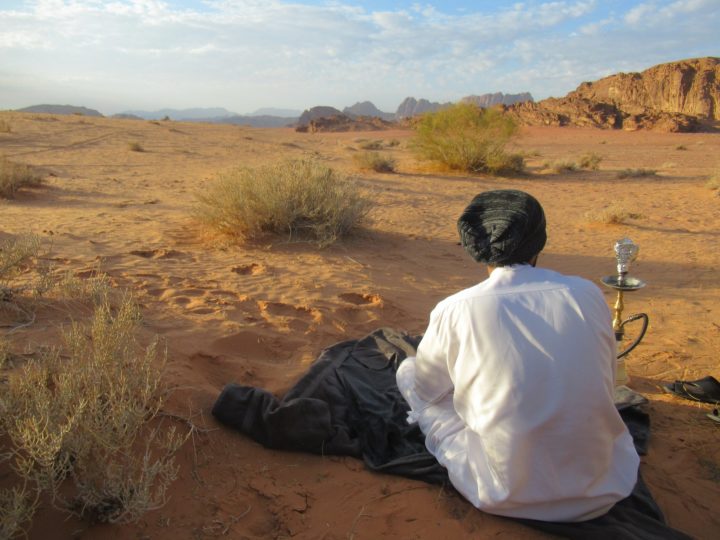
Cordoba & the Mesquita
We arrived on sunday night from Sevilla where we rent a car, and sadly for us most of the sightseeings were closed on Monday. But the most famous was open: The Mesquita. This Roman catholic cathedral is a must see: it turned several time from a catholic church to a mosque, and kept its Islamic columns and arcs.
The rest of the day we walked around the streets (must do: calle de las Flores), enjoying the famous biggest Tortilla de papa, the beauty of the Sojo rooftop bar and a flamenco show by the evening.
Plaza de la CorrederaCordoba Roman’s BridgeCalle de las Flores, Cordoba
Hotel: ApartaSuites Alberca, very nice and quiet old typical andalousian house, with a cute swimming pool and private parking Rooftop: Soja Bar Flamenco diner: Casa Pepe de La Juderia
Visiting the Alhambra takes at least 1/2 day. You need to book in advance your slot, and luckily (thanks to the CoVid situation) we were able to book the day before our arrival. You can visit several building from several times and used:
Palazio Nazares
Palace of the kings of Granada, this 13 century’s building is a huge complex with amazing muslin decoration.
Alcazaba
The fortified military complex. The first Arab constructions date from the Caliph period, possibly on the remains of a Roman fortification.
Generalife
Generalife Leisure villa of the sultans of Granada, surrounded by orchards and gardens, the latter created recently, together with the amphitheatre at the entrance
Museo de bellas artes
Charles V Palace is one of the emperor’s projects for the city of Granada. With its roman style it host nice exhibitions included in your Alhambra entrance ticket.
Granada sightseeings:
Alhambra from Mirador San Nicolas
Albaicín
Alhambra
Generalife’s patio
Albaicín
What we visited in one afternoon: – Plaza de Alonso Cano – Shopping around the Alcaicería (arab spice market) – the Real chapel attached to the Catedral Santa María de la Encarnación with its huge dome! – Lunch to Los Manueles (a chain with very good and cheap tapas – with the best croquetas I’ve ever tried!) – Hill of Albaicín, the medieval Arabic quarter of the city (with the must see Mirador of San Nicolas) – Salomonte hill, the gipsy quarter – Carrera del Darro, full of restaurant and terrasses down by the river
Rio Verde Canyoning
Between Granada and Malaga you will find a beautiful natural reserve with a canyon close to Otívar where we met our guide for canyoning and her children in holidays! We arrived in the morning and took a good and cheap breakfast at Restaurante Bellavista in Otivar. The tour lasted more than 4 hours (which was exceptionally long thanks to our guide and her little child).
Contact: You can call or send a WhatsApp message to Nura: +34 699 97 03 36. She shared the pictures she took during our tour right after, really professional and full of security advices.
“Barranquismo” with Nura and her son
Nerja: We made a quick stop to this very nice (and touristic) city, having a beer on Cochran’s Terrace and lunch in front of the sea: Restaurante Terraza Mar Bella.
We passed only one day in Malaga to visit the Picasso museum and the Gibralfaro castle on top of the hill with an amazing view of the city!
We crossed the city center to the Cathedral and visited the rooftop of Marriott Malaga Palacio hotel. We took an electric scooter until Malagueta beach (you have a nice pedestrian path to go there).
We passed the evening with a friend starting at 100 Montaditos, Calle Sagasta (very nice area if you want to go out) and finishing plaza de la Merced where you have very cheap drinks and food!
Hotel: We were staying in a small studio close to Merced place: Apartamentos Marques de la Merced and left the car in the street (you have plenty of places but it’s better if you avoid the rush hours!)
Caminito del Rey
El Caminito del Rey (The Kings’s Little Pathway) is an old water channel maintenance path. About 3 kilometers long (but you will walk the double as you need to enter to the area first), this way has just been refurbished, and it goes along vertical walls and a footbridge over the gorge on the same waterway.
You can book online your slot or come directly like we did! Its a one way tour but you have a bus to go back!
Ronda
On our way to Cadix, and after our morning walk into Caminito del Rey, we made a quick stop to this very nice city of Ronda. Famous for its bridge (called Puente Nuevo but building started in 1751 and took until 1793 to complete), Ronda has also one of the oldest bullfighting ring of Spain: Corrida Goyesca. Be carefull about the timing: The corrida was closed and we didn’t have enough time to go down the bridge, where you have the best view… Plan at least a half day, it worth it!
Cadiz
Cadiz is a very cute city, with a lot of pedestrian tiny streets, It’s authentic, peaceful and warm!
We just had a half day so we only walked around the city, enjoying the central market, close to Plaza de las Flores, the Genoves parc, Santa Catalina castleand its nice creek, or passing through the roman theater of Gades.
We did visit one thing: the cathedral and its tower where you can get a great view on the full city! (second option to enjoy the view is to go to one of the restaurant rooftop, or to visit Torre Tavira).
To stay: Hotel Argantonio is a very beautiful old house combining classical andalousian and colonian styles! Ideally located, close to a parking zones.
To park your car: The hotel had a private service but we prefered to leave our car in the street (av. 4 de diciembre 1977) and pay at distance with PayByPhone application.
Infos: – Hotel: Joya del Casco – Alcazar: 11€50 entrance. We had to book our slot in advanced (CoVid rule I guess)
Tips: We missed the visit of the Cathedral: indeed we were out of the visit hours, so we tried to participate to the mass. We couldn’t enter because my boyfriend was wearing a short behind his knees!
Sevilla is a huge city and we had only 2 days to visit it (too short I guess).
The first day we arrived around noon and enjoyed the rooftop of our hotel before searching for a tapas bar. We found it on calle San Pablo where you can eat and drink in a bunch of restaurants with terrasses!
We crossed the river to visit Los Remedios with its nice Calle San Jacinto, before crossing again by the San Telmo bridge (in front of the Torre del Oro).
The second day we visited the city center and the Casco Antiguo, passing by Basílica de Jesús del Gran Poder, and had a lunch on Alameda de Hercules. We walked until Basilica de Macarena to see the ancient wall of the city. We went back passing in front of Iglesia Saint-Louis-des-Français, Monasterio de Santa Paula, and found the Palacio de las Dueñas closed (too bad, it looked very nice to visit).
At the end of the day we visited the Alcazar and its beautiful garden, and went to see the sunset on Plaza de España. We walked back to our hotel by the very nice the Paseo Alcalde Marqués del Contadero where you can find very nice bars by the river!
Summary of our journey:
Agenda: Day 1: Arrival at Sevilla and road to Cordoba Day 2: Cordoba Day 3: Alhambra and Granada Day 4: Canyioning in Rio Verde Day 5: Malaga Day 6: Caminito del Rey and Ronda Day 7: Cadix in the morning and road to Sevilla Day 8-9: Sevilla
If we had more time:Close to Almeria we wanted to explore the Cabo de Gata. Also with 1 or 2 more days we would have visited Marbella, Estepona – known for surfing and Gibraltar
I now live in Lyon, and Transavia had the good idea to open a new airline directly to Amman. To be fully free to travel, I rented a car and during 7 days I’ve crossed the country. I had an amazing time and felt welcome everywhere. I began by the North, Amman, the desert castles and the Jordan’s valley to the Israely and Syrian border. Then I took the King’s Road from Madaba to the famous Petra, and finished my trip in Wadi Rum Desert before going back North by the Dead Sea road.
Amman and desert castles
I arrived a Friday evening and rented my car from the airport. The road to reach Amman city center is quite easy, only 30min to the roman theatre (but check my feedback on “driving in Jordan”. Arrived in the hotel, I’ve been upgraded for free: private double room right in front of the theater.
So I woke up quite early (7 am), and left directly for Qasr el Kahana, taking the desert road to the East. At 8.30am I was the first arrived, even the guard was sleeping. At 9am I finally met him: he was preparing a tea, and told me to open myself what looks like an old fortress. It wasn’t a castle but a caravanserail and I passed a magic moment there.
Second castle, old terms this time, with amazing frescoes on the wall: Qasr Amra. Classified by Unesco, it was a royal retreat built some time between 723 and 743. The third “Desert Castle” I visited (but there are others!) was Qasr al Azraq, a crusader castle built around 300AD (but the remaining parts are from the XIIIe century). It was also the house of Lawrence of Arabia during the Arab Revolt in 191!
Back to Amman, I had time to visit the roman theater, the citadel, to have a great shawarma and follow a tour for tips into downtown starting 2 times per day from Jordan Tower Hotel. Perfect way to learn about the city but also tradition, history, to taste a little bit life in Jordan and meet other travelers.
Hotel: Zaman ya Zaman Boutique Hotel (13€ a night for a dorm) Citadel and theater: included in the Jordan Pass Shawarma and water: 1,75JD Restaurant: The Amman Pasha with rooftop, live music, and foreign exchange
View from the theater:
Qasr El Kabana
Qasr Amra
Qasr Al Azraq
Jordan’s Valley
Second day, I pack my stuff and take the road on the way North, with no booking for the night as I didn’t know where I would lend, and wanted to give me the chance to follow the moment.
Jerash
My first strop was Jerash, also called Gerasa. I left my hotel at 7.30 and was there at 8.30. The earliest evidence of settlement in Jerash is in a Neolithic site known as Tal Abu Sowan, where rare human remains dating to around 7500 BC were uncovered. The rest we can see today are mainly greco roman.
Pella
Pella is a treasure for archeologists! The research haven’t been fully finished, and you can visit the hills of this uncovered with an history extending back into the Bronze Age. Pella grew to its largest size during the Roman period. Sadly the site is really not indicated and seems to be forgotten by the tourists.
Ajloun
After almost two hours of visit I left at 10am and went to Ajloun castle, the only existing muslim medieval fortress. It really worth the detour if you have enough time, for this XII century buiding but also for the view on the hill!
Umm Quays
Located on the border of Israel and Syria, this 3rd century BC city was huge, with theaters, a colonade avenue and terms. It’s now lost in this countryside, and visited only by few people.
King’s Road
Madaba
King’s Road
King’s Road
Umm el Rasas
King’s Road
Karak
Karak
Karak
King’s Road
King’s Road
Dana Valley
Road to Little Petra
Little Petra
Little Petra
Little Petra
Named after Moses, who took his people to reach North of the country. This road between Madaba and Petra is one of the most beautiful I ever seen!
I left Madaba after a quick look on the oldest map in the World (also known as the Madaba Mosaic Map, it is part of a floor mosaic in the early Byzantine church of Saint George).
I first made a stop to Umm er Rasas, a bunch of ruin. In 2004, the site was inscribed as a UNESCO World Heritage Site, and is valued by archaeologists for its extensive ruins dating to the Roman, Byzantine, and early Muslim periods (wikipedia).
After 2 hours driving I reached Karak fortress. This crusader fortress still has its subterranean paths! I’ve speed up a little bit this visit to be able to make a quick stop in Dana’s Valleyand to see the sunset at little Petra. Known as the small version of Petra, with a Siq and a main tomb drawn in the mountain, this site is really magical!
Hotel: Queen Ayola (8JD a dorm, if you doesn’t care about the morning prayer call!) Restaurant: Haret Jdoudna Other tip: if you have time, a half day trekking is possible in Dana’s Valley, and as far as I saw it really worth it!
Petra
I took the 2 days pass with the Visa, and was ready the first day at the entrance on opening time (6.30 am)! As described in my guidebook, guys try to make you ride their horse, and take advantage of the walk to sale you something. Probably still blurry in my head, I accepted the ride. It was included in the ticket, but the guide started to tell me about the best walk ever to reach the best spots. This secret path is indicated on the map, it is called “El-Madras trail”. It’s really easy to reach, but the guide convinced me it was absolutely needed to pay for his services. He offered me 10JD instead of 50 (like he said) and passed approximately one hour with me. It’s not a dead end like the map indicates. After an easy walk which lead you to the top of the Treasury, you will get a crazy view on the Theater. Then the guide left me to go to the Sacrifice place: down and up to the Sacrifice place, and down and up again to stairs going back to the ground, at the Soldier’s tomb.
Once you get down there it’s pretty easy to get to Qasr el Bint and the Cathedral. Don’t forget to make a stop to the Tiger Tomb. I must admit I was quite tired, and at 2pm I decided to go back to the city, change money, and buy some souvenirs for my friends.
Second day I was the first arriving on the site, and wanted to climb to El Khubtha trail and assist to the sunrise on the Treasury from above. It took me and my new slovenian friend Uros only 35min to go up from the Treasury. After almost 2h waiting and drinking tea, we went to the discovery of the North part, Urqub-al-Hisha where we were totally alone. We went back by the Ridge church and Blue church. I said goodbye to my new friend and went to visit the Royal tombs. At 12 I went back to the Siq and enjoyed some moments alone. It was nothing compared to the night show. Only 3 days a week they light up the dark way with small candles, and perform a light and music show in front of the Treasury (nothing special in term of special effects, but if you’re aware on magic and peace, then you should definitely experience it!).
– Jordan Pass of 2 days (see current price on their website) – Night Show: 17JD – Hotel: Neighbors Hostel (30JD double room for 2 nights)
Tips: – First if you don´t have a map and good sense of orientation, don’t exit the main paths or don’t go to the following paths without a guide! I did have Maps.me application, but the connection can fail, so be very careful. – Al-Madras trail: starting behind a guardian’s box before entering to the Siq, then get down to take back the Sacrifice trail, and take the direction of Wadi al Farasa to arrive to the Soldier’s tomb and reach Qasr al-Bint. – Organize your time to visit the Royal Tombs in the afternoon to have the sun lighting it! – You can climb the big rock behind Qasr al-Bint to have an amazing view on the main avenue of Petra, to Al-Habis. – I took only 2 days entrance, which is quite sufficient if like me you like to walk fast. – If you have extra time you can go to Little Petra from the Cathedral, or take the oposite direction and Jabal Aroun Trail
Wadi Rum
I arrived around 9h30 to Wadi Rum, and before passing the official entrance, I tryed to find the french fortress. I had booked a night in a bedouins camp, with a 2h tour in the desert, but I wanted to live and feel the loneliness, the silence and the peace of the desert. I managed to drive a bit closer to my target, but as I didn’t have a 4×4 I had to stop quickly. I looked for my fortress during one hour, before going back to be at the meeting point ontime. I’ve been stoped by some bedouins who yeld at me because I was alone, before offering me a tea…
I went back and met xxx after a quick stop at the entrance to stamp my ticket. He brought me to the main spots of this part of the desert: the bug Dune, Nabateen petroglyphs, the small arch, the big one. We finished the day smoking a chicha and waiting for the sunset. When we arrived to the camp I met my italians friends I met the first day in Amman!
Infos: – Wadi Rum Fire Camp (40€ a night with 2h Jeep Tour included) – From Wadi Rum to Dead Sea: 5h – From Dead sea panorama to Amman airport: 1h15
Dead Sea
The last day I lived at 8am the camp, with other tourists who had to take their bus at 9. After 30min we arrived to the car park where my car was expecting me. I took back the Desert Highway to the South. I arrived quickly to Aqaba and took North the Dead sea road. Here you have some spots to go swimming, but I prefered to go up and visit Macheronte (nice view but don’t worth to waste time there) and to have a nice lunch at Dead sea panorama complex.
Drive alone in Jordan: Well, after living 1 year in Panama, and crossed craziest asian cities, driving in Amman was pretty easy, but still challenging! The rest of the roads were really easy to drive and perfectly safe. It is not recommended to drive by night, because people use to forget to switch on their lights (true). There was quite a lot of security stops, a lot of speed bumps, and I’ve been controled 4 times by the police. People were very friendly, finishing the quick control by a traditional “Welcome to Jordan”.
After a gorgeous week on a Nile Cruise, we were back to our hotel in Hurgada but didn’t want to leave Egypt without seeing the pyramids! We had the chance to meet a guy in Louxor who booked for us a mini bus with two drivers who have been our guides through this crazy city: The Cairo! The first day we visited the Egyptian Museum, the Citadel and the Islamic Cairo. The second day we woke up in Guiza, visited the Pyramids and quickly the Old Cairo.
Egyptian Museum
17 millions of people… That’s a lot, and a city full of trafic! We left Hurgada at 3.30am to arrive around 9. After one hour in the trafic we did a first stop at the Egyptian museum. It was reconstruction but totally worth it. Those rooms are just amazing, and the light from outside entering on those statues, sarcophagus, potteries, jewelleries, frescos, papyrus and hieroglyphs, is just magic! The furnitures made by wood and glass give you the sensation to be stuck in the past, when the archeologists discovered all those treasures.
Talking about treasures you also have the ones of Tutankhamen! The only thing I didn’t like was the Mommy part. You pay an extra fee to see corpses of kings and queens who built giants graves to finally finish in a museum… And if you want to see mummies you have some in the general exhibition anyway.
Egyptian Museum entrance fee: 160£ Visit duration: around 2h Momy part extra: 180£ Photo rights: 50£
Mini bus for the 2 days: 50€/pers Contact: Ahmed +20 103 090 2104 (whats app) Time from Hurgada to Le Caire: around 6h (with one stop)
After that nice visit, we asked our drivers to leave us to the Saladin Citadel, one of the highest point of the city where you have several museums and Mohamed Ali’s mosque you can visit. We didn’t have a lot of time, so we just walked around and enjoy the nice view from there.
Citadel entrance: 140£ Taxi from the citadel to Al Azhar mosque: 50£ for 6 people
Islamic Cairo
We wanted to cross it and walk directly to the islamic part of Cairo, but the way was closed so we took a small cab for 6 and went around El Azhar mosque, in the heart of this magic area. Small streets, lot of Corans to buy, and smiles to share! We split our group, ones have been to a Derwish dance show and we went to Khân al-Khalili with my mom to buy so,e stuff and enjoy a time in a very local « cafe » smoking water pipe and drinking a coffee.
Shopping: – 100£ for a dress – 40£ a pant with camels – 20£ for 10 bookmarks All the prices are negociable, usually when they anounce you a price you can devide by 2!
We had booked an hotel with an hotel with a gorgeous view on the pyramids and we were at the main entrance at 8.30am (it opens at 8am but we had to find an ATM before). We had a bad experience at the ticket office: we bought a 500£ ticket and when I asked if it included the great pyramid, the guy told me to go to the other line, where you have to buy a 360£ ticket… But once at the entrance of Keops pyramid, they told me I shouldn’t have buy two tickets: Keops was included in the 500£ ticket! I managed to have my money back, but had to pay 5€ baksheesh (1€ per person who helped me…) This is VERY annoying, kindless isn’t free in this country…
Anyway, after visiting the only room available in Keops pyramid, through a very small tunnel (very fast) we bought a tour with our friends in horses, camel and carriage. At the entrance you can see the official fee: 350£ for one hour tour, but as always you can negociate (our friends alone on a horse or camel paid 300£ and we paid a carriage 200£ for two). It was a fun experience, they lead you to a nice view point, but I was frustrated not to have more time there, looking at the details of those amazing and mysterious constructions. We didn’t have time neither to visit Khufu boat museum…
So after this view point they lead us to the Sphinx where our mini bus was waiting for us.
To stay: Best view Pyramids Hotel 1000£ for 3 people Giza Plateau entrance (including Great Pyramid and Khufu Boat Museum): 500£ Visit duration: 2h minimum, including 1h riding!
Old Cairo: Coptic part
We had only 1h to visit the Old Cairo, it’s really to short! We just had time to enter to the small labyrinth you can access from Mar Girgis’ street and visit quickly the Church of St George and its shrine, Saint Barbara, Saint Virgin Mary’s Churches, and Ben Ezra Synagogue. We didn’t have time to visit the Coptic Museum or the Babylon Fortress, but we quickly saw the Hanging Church. Everything was free and really gorgeous, those orthodox buildings are so diferent than ours… I think you can spend much more time there to fully enjoy this old Cairo.[/wrc_column]
Looking back: I really loved my trip in Egypt, even if I didn’t really felt free to go where I wanted… Cairo wasn’t part of the plan but I think we did pretty well, but I would love to go back there and take my time to fully visit this crazy city (maybe using transports instead of taxi because of the trafic…). Also I would like to go back to Egypt and visit Dashour pyramids and the one of Saqqarah, close to Memphis.
We had booked with my mom a 2 weeks trip in Egypt, including 7 nights on a cruise and 7 nights in a Hurgada’s Resort. We didn’t buy the tour package and visited alone the Nile Valley. It was a crazy experience with a lot of surprises, but really worth it to enjoy a true experience, to be free and take your time to meet local people (and we paid 1/3 of the agency price).
The first day our flight was delayed and we’ve been told we couldn’t cross the Egyptian desert by night, so we slept in Hurgada instead of going directly to our boat in Louxor. It wasn’t a big deal, it takes 4 hours by bus to go there so why not take a rest. But we had to leave at 5.30, so woke up early, to finally start at 6.15am… It was our first surprise. Second surprise : once arrived on the boat, they didn’t have our names in their list, so it took more than 1 hour to figure what to do, and we lost a second day travelling instead of visiting. The boat finally left at 3.30pm with us on board, and new friends who were in the same case.
Edfu Temple
We woke up in Edfu, and decided to leave very early (6am) to have time to visit the Horus Temple. It was open at 6.30am and we enjoyed a visit with almost nobody! This temple is famous to be one of the most preserved temple. We went there walking (20min) and came back by carriage (15min). We were back at 8am.
Edfu temple entrance Fee: 140£ 20min walk from the boat Carriage: 40£ for 4 people Visit duration: 1h30
The boat left at 10am (it was supposed to leave at 9am but it also depends on the others boats so other tourists) and arrived at Kom Ombo around 4pm. Here you can see the temple from the harbour and easily walk there by yourself (takes 5min). You can also enjoy a small crocodile museum included in your general ticket, and some shops on the quays full of sellers very good in negotiations!
Kom Ombo temple entrance Fee: 80£ Visit duration: 1h 5min walk from the boat
Aswan
We woke up in Assouan and took a taxi in the morning directly in front of the boat. Our driver, Ahmed, a very nice Imame, waited us at the harbour. You buy your entrance and then you can negotiate the boat directly to the Marina.
Philae Temple
We woke up in Assouan and took a taxi in the morning directly in front of the boat. Our driver, Ahmed, a very nice Imame, waited us at the harbour. You buy your entrance and then you can negotiate the boat directly at the harbour. This temple has been moved when they built the dam of Assouan. You can see the old place in the water where there’s wooden sticks.
Entrance fee: 140£ Visit duration: 1h15 Boat: 150£ for 6 people with the way back (around 10min and we paid 200£ with the baksheesh)
The unfinished obelisk
We joined our taxi who waited for us and lead us to the unfinished obelisk. Staying in this stone quarries, it would have measured about 42 meters and weigh around 1,200 tons! It has been ordered by Hatshepsut more than 3,500 years ago… A tour way back, Ahmed stoped at El-Tabia mosque and invited us to join him for the pray. We started at 8am our tour and came back to the boat at 1pm.
Entrance fee: 80£ Visit duration: 30min max Entrance to the mosquee: 20£ Taxi for 1/2 day: 300£ Contact: Abo Mosaab 01151319540
Tour on a felucca to a nubian village
Different boats propose to go around the Elephant island. You can stop at a Garden, and a nubian village, and you can have a motor boat or a Nile felucca boat. Ahmed took us at 2.30 and came with us to this nice tour. Some boys on a board were there to sing for us, hooked to the boat (a bit strange). The nubian village is just a reconstitution and a kind of “disney” village, with a lot of spicies and other sellers. Even if nubians live there, I think you can take a cab and go to an other one maybe more authentic.
Boat: 500£ for 6 people (duration 4h and we added 200£ baksheesh to thank them for the great time we had with the 3 drivers)
Abu Simbel
Ahmed negociated for us a private car to go to Abu Simbel. We started at 5am, arrived at 9am and were back at 3.30pm (we had a lot of trafic and had to go back on our way because we forget a backpack in a restaurant).
Starting the tour at 9.30am with a private guide (who just stayed 20min with us in front of the temple – they’re not allowed to enter) we had the chance to have the temple for us 6. This temple made for Ramses II is one of the most spectacular dismantling and reassembly projects of Unesco. Building Aswan Dam to prevent the famous Nile floods, they destroyed around 50 nubians villages, but saved those amazing temples: The one of Ramses II and a second one smaller built in honor to the Queen Nefertari.
At dawn, on October 22 and February 22, the sunlights are aligned with the statues in the inner chamber (which represent diferent gods and Ramses II). Before, this amazing event happenned on the 21st of october and february, but Unesco’s specialists haven’t been capable to reproduce it.
To know: You need to know it’s 270km from Assouan, through a huge desert with nothing around, close to the Sudan border. We met 4 diferent controls and were very lucky : usually when you’re a french tourist you need to ask the permission first, to send a copy of your passport, and to wait for the autorisation. But we had the chance to be with a group of 4 maghreban french. So we passed the control with me and my mother behind the car, covered of an Hijab and without talking in french. One cop looked on our IDs but didn’t say anything, by chance. If not the driver could have lost his licence, and we could have been send back to our boat.
Entrance fee:215£ for the tourists, but this time we only paid 20 because we’ve been considered as part of the magrebian family ! Photo right: 300£ per camera Time to visit: 1h30 minimum Taxi: 2000£ for 6 (4h one way with one stop, we added 100£ backshich) Private guide: 200£ for 6 people
Luxor West Side
We arrived around 5pm in Luxor but were too tired to go there and enjoy the sunset in Luxor and the Karnak night light show (we di dit the day after thought).
Friday were supposed to be our last day so we ran a little bit and didn’t follow our original plan which was to enjoy the Nile west coast one day, and the other side the other day… If you have two days there I think it’s your best option! We missed Medinet Abou temple and the Queen’s valley.
King’s Valley
We found a taxi in front of the boat and booked him for a half day. We started by the King’s valley (because of our driver, I think the best is to finish by this area and avoid the buses of tourists). It’s an amazing valley where all the tombs of the great pharaons are. They’re all aligned and it’s easy to pass from one to the other. At the entrance you have a list of 6 tombs opened, and you buy a ticket with 3 tombs included. You have a general ticket and at every entrances they mark it to be sure you don’t exceed this number. We visited Ramses IV, Ramses III and Meremptah and bought a ticket extra to visit the one of Ramses V and VI, burried together. It was a good option to avoid the line of people. You can also do it for Sety I which is known as one of the most beautiful, but also expensive.
Informations: – Entrance to King’s Valley (with 3 tombs): 200£ – Photo rights: 300£ – Entrance to Ramses V and VI: 100£ – Visit duration: Around 2 hours – Taxi for the half day from Viking Dock to the Nile Westbank: 500£ for 5 people (25£ backsheech) – Boat to cross the Nile: 10£/person (usually 20£ but we are now great dealers!)
Deir el-Bahari
10min driving from the King’s Valley you have this amazing temple built for the Queen Hatchepsut in the foot of a mountain. Not so much to see inside, a lot has been destroyed but it’s still an amazing temple with a great view of Louxor.
Entrance fee: 100£ Visit duration: 1h
Deir el-Médineh
It was the village of the workers who built for themself around 50 small tombs well decorated. You can only visit 3 of them, and the rest of a temple, and walk around the ruins of their houses (I thought it was a bit expensive for what it is). You buy the ticket close by the colossi of Memnon.
Entrance fee: 100£ Time to visit: 30min Colossi of Memnon: free
Luxor East Side
Luxor Temple
We crossed the Nile by boat and arrived right in front of Luxor Temple. We were there at 2.30pm and took time to have lunch on the rooftop of a local (but touristic) restaurant. On the boat we’ve been told Karnak was closing at 4pm. The truth is it’s the ticket office which close at that time, but you can stay until 5.30pm there. We didn’t know so we first did a small tour by carriage, and visited Louxor temple until the sunset to enjoy the last lights of the day.
At 8 o’clock we had a show in french and discovered Karnak by night. It was impressive, even if the light show isn’t crazy and sometimes you can’t ear was they say. At the end a very kind guide invited us to his mini bus which were going to the docks (we were staying at Viking Dock, 15km from the city center). We just gave a backsheesh to the driver. We came back the day after and met a very nice guide in english. We get back to Louxor area where our friends visited the Mommy Museum and we went to Abd El-Hameed Taha street to buy some souvenirs and enjoy the last sunset on the Nile from Al- Sahaby Lane restaurant.
Karnak show price: 250£ (from 7pm, duration: 1h30) > See Karnak show timetable Carriage Louxor – Karnak: 20£ Karnak temple general entrance fee: 150£ Visit duration: Around 1h30 Taxi from Viking dock to Karnak: 90£ for 6 people
Summary: Day 1: Transfert Hurgada – Louxor, boat and cruise to Edfou Day 2: Visit of Edfou and Horus temple, cruise to Kom Ombo and visit of the temple, cruise to Assouan by night Day 3: From Assouan visit of Philae temple, the unfinished obelisk, Felouque tour to a Nubian Village Day 4: From Assouan to Abou Simbel and cruise back to Kom Ombo Day 5: Cruise from Kom Ombo to Esna (1h break) and back to Louxor Day 6: Visit of the King’s Valley, Hatchepsout Temple and Deir el-Medinet, passing in front of the Memnon statues, Visit of Louxor’s temple at sunset and the light show in Karnak Day 7: Visit of Karnak temple and Louxor Souk (you can also visit the momy museum or Louxor’s one) The second week we were supposed to stay to a big resort in Hurgada, but prefered to leave and visit the Cairo and Guiza’s pyramids
FR. Parce que revenir sur les chemins parcourus est parfois une façon d’avancer, Jennifer vous propose un voyage au travers des siens. A 33 ans, cette jeune aventurière revient en France après près de 4 ans d’expatriation, et partage avec vous paysages fantastiques et personnages singuliers. Ces moments de vie figés au travers de son appareil photo – un appareil compact amateur – souvent seul compagnon de ses voyages.
ES. Porque volver a los caminos ya recorridos puede ser una forma de avanzar, Jennifer, propone un viaje a través del suyo propio. A la edad de 33 años, esta joven aventurera de origen francés, regresa a su tierra después de 4 años en el extranjero, para compartir con todos nosotros paisajes fantásticos y personajes singulares. Esos momento de vida inmortalizados con su cámara de fotos y un compact disc, fueron sus compañeros de viaje.
EN. Because looking back to where you’ve been is sometimes the best way forward. Jennifer offers you a trip through her journey as she looks back. At 33 years old, this young adventurer came back to France after 4 years of expatriation so she can share the most beautiful landscapes and singular characters with you. Shot with her camera, a compact amateur, usually her only companion.
Some images of the beautiful landscapes, the amazing people, and the crazy experiences I lived for 6 months during my trip « alone » through South East Asia.(more…)
In december 2017 I had the chance to pass a couple of days close to Cox’s Bazar, in Bangladesh, where hundred thousands people installed their camp to leave a dangerous situation in Myanmar.(more…)
I didn’t visit much of this city, only a quick tour to the beautiful Hassan II mosque. But there is an airport and possibility to rent a car and discover the West coast as I did. You also have treasures I haven’t visited yet, like the Sahara desert, the blue city of Chefchaouen or the fortifications of Ouarzazate.
Essaouira
I remember the beautiful streets, more quiet than Marrakech but still with many tourists! Get lunch on the rooftop of Le Taros if you go there!
Marrakech
Hot and full of people, Marrakech stays a nice place to visit. You can stay in beautiful Riads (such as Riad of the storks with it jaccuzzi on the swimming pool or Riad O LY in the heart of the medina’s market). If you have time you can visit the Palm Grove outside of the city, on the back of a camel!
After a nice break at La Reunion Island, I finished my 6 month trip through Asia by Indonesia with my mom. I joined her in Java where we visited Borobudur, Prambanan and the mont Bromo. Then we visited Bali, various temples as Tanah Lot, Ceningan island, Ubud and the temples and sites around, Amed and its places to do snorkeling, Lempuyang and Besakih, and finished this amazing trip in Kuta.
Borobudur
We both arrived in Yogyakarta and took a cab to Megalang where we had an hotel booked, 15min from Borobudur. We woke up early to fully enjoy the sunrise on this incredible buddhist piramid. Full of mysteries, Borobudur is the world’s largest Buddhist temple. It consists of 9 stacked platforms, 6 square and 3 circular, topped by a central dome. It’s decorated with 2 672 relief panels and 504 Buddha statues. The central dome is surrounded by 72 Buddha statues, each seated inside a perforated stupa (kind of bells). They estimate its construction from the 9th century, but there are no known records of construction or the intended purpose of Borobudur.
Transport: – Taxi from the airport to Megalang: 500.000 Rps for 2 people (1h30) – Moto Taxi from the hotel to Borobudur: 40.000 Rps (15min) – Taxi from the hotel to Prambanan and Yogyakarta train station: 400.000 Rps
Hotel in Megalang: Jolan Jalan, 300.000 Rps for a double room Sunrise entrance to Borobudur:900.000 Rps
Prambanan
After visiting this amazing buddhist temple in the morning, we went to the other side of Yogyakarta to visit the largest Hindu temple site in Indonesia: Prambanan (the biggest is Angkor Wat, in Cambodia). The site has suffered many earthcakes, but it’s still a beauty with crazy statues.
Informations: – Entrance to Prambanan: 338.000 Rps – Night train from Yogyakarta to Malang: 250.000 Rps
Bromo
We took a train from Yogyakarta to Malang where we arrived at 5am and met a taxi who agreed to pass the entire day with us, to go to Bromo and to leave us at Ketapang to take the boat to Bali. We arrived around 11am in a village close to Bromo, and met a jeep driver (you can also go there by horse or bicycle). There wasn’t so many wind so the smell of sulphur wasn’t so bad.
We had lunch in a small shop and left for Ketapang. We arrived at the end of the day, and finished our day in Ketapang to wait for the Ferry to Bali, a paradise on earth…
Taxi Malang / Borobudur / Ketapang:1.000.000 Jeep to Bromo: 700.000 Rps Hotel at Ketapang: 250.000 double room
Bye Java, Hello Bali!
Seminyak and Tanah Lot
We took the boat with a new driver who wasn’t so friendly. We asked him to left us at Sanur and went by colectivo in Seminiak. We enjoyed a nice sunset on the beach, and rented a scooter to visit the day after Tanah Lot in the morning. The afternoon we booked a transfert from Seminiak to our hotel in Ceningan Island (with a taxi, boat, collectivo and scooter !).
Transfert from Ketapang to Sempidi:500.000 Rps for 2 people Taxi from Sempidi to Seminyak:150.000 Rps Hotel in Seminyak: Seminyak (300.000 Rps double room) Scooter: 50.000 Rps
Ceningan
My mother had booked a magical hostel with a gorgeous room and swimming pool. We rented a scooter to do a snorkeling tour:
After this tour we decided to visit the entire island (take approximately 1h). The day after we did a second tour with our hotel owner, and he showed us the Mangrove, devil tears, blue lagoon and other beautiful views of the island.
Transfert Seminiak – Ceningan:1.100.000 Rps Hotel in Ceningan: Twilight Snorkeling: 600.000 Rps Scooter: 80.000 Rps Tour of the island: 150.000 Rps
Snorkeling Tour:
Ceningan best spots:
Ubud
In Ubud we enjoyed some of the temples in the heart of the city, the market very traditionnal, and the Monkey forest. Be very carrefull of your stuff, and follow the instructions, my mother has been bitten because one of the monkey wanted to steal her a bottle of water, and when you look at them in the eyes they can just attack you !
Time to go back to Bali, we booked a transfert to Ubud from our hostel. On the way the driver invited us to stop to a Luwak Coffee plantation, and to see a show of traditionnal theater.
The next day we booked again a scooter to visit all around Ubud.
Show: 200.000 Rps Monkey forest: 50.000 Rps Water temple: 50.000 Rps Gunung Kawi: 30.000 Rps Goa Gajah: 30.000 Rps Scooter: 50.000 Rps Hotel: In Da Garden: 300.000 double room
Around Ubud:
Tegalalang Rice Terrace
Situated 20min in the North of Ubud, you can just stop on the road and walk around, take a drink or even use a swing.
Tirta Empul
Only 15 minutes from the terraces you can find this magical place with holy water where you can wash a bit your soul!
Gunung Kawi
It’s a funerary complex very close to the water temple, but you’ll go down 300 steps to appreciate this site!
Goa Gajah
On the way back to Ubud you can make a stop at this Elephant cave, half Indu half Buddhist…
Amed
We found a taxi at the end of the day to go to Amed where we arrived by night. We did a nice tour in scooter and found very nice diving places like Tulamben and the USS Liberty, or the underwater temple in Pantai Jemeluk beach.
Transfert Ubud-Amed: 400.000 Rps Hotel in Amed: Putra Lebah Amed 580.000 Rps Scooter: 50.000 Rps Amed-Candinasa: 280.000 Rps
Lempuyang
The day after we took the scooter to go to Lempuyang, one of the most beautiful temple I’ve ever seen. You have there a first temple with 3 main doors, and two others hidden on the top, 45min from the first one. Lost in the nature, delivered to the monkeys, those temples are really magic. I had the chance to join a group of prayers carrying their donations.
Tirta Ganga
We also went to Tirta Ganga, a water parc very nice but also very touristic. We had lunch there but it was very small and very expensive…
Padangbai and Bezakih
Back to Amed we found a transfert to Candinasa where we just stood for one night (nothing to see there). We went to Padang Bay to fully enjoy the sea. It’s a small city full of touristic shops and with a nice port (you can go to Gili islands from there). We rented an other scooter to go to Bezakih, the most important, the largest and holiest temple of Hindu religion in Bali.
Candinasa- Padangbay: 100.000 Rps Hotel in Candidasa: Bungalow Geringsing Padangbay-Kuta: 150.000 Rps Hotel in Padangbai: Made Stay 170.000 Rps
Kuta
At the end of the day we took a transfert by mini bus to Kuta.
Kuta is like Seminiak a touristic city, not much to see but big malls and restaurants with nice cocktails. We enjoyed a nice traditionnal Kecak dance show, and finished our trip by visiting Uluwatu, a temple on a cliff at the very south west of the island (nice but not so impresive).
Hotel: Pendawa Gapura (300.000 Rps double room)
Summary: Day 1: Transfert Yogyakarta – Megalang Day 2: Borobudur and Prambanan (night train from Yogyakarta to Malang) Day 3: Bromo Volcan and transfert to Ketapang Day 4: Boat to Bali and transfert to Seminiak Day 5: Tanah Lot and transfert to Ceningan island Day 6: Snorkeling in Ceningan Day 7: Tour of Ceningan Day 8: Transfert to Ubud Day 9: Around Ubud and transfert to Amed Day 10: Snorkeling around Amed Day 11: Lempuyang and Tirta Ganga, night in Candinasa Day 12: Rest in Padangbai Day 13: Bezakih and transfert to Kuta Day 14: Uluwatu temple
One of most beautiful island in the World, this french land is lost in the Indian sea nearby South Africa, and has everything you can dream of: volcanos, paradise beach, mountains, waterfalls, good food, rain, sun, green, blue…
We arrived at Kep from Vietnam to pass just one night before going to Kampot or Phnom Pen. But our plans changed a lot, first because my credit card has been grabbed by an ATM (connection troubles) and then because I found on Koh Rong island the Paradise on Earth! I finished those two weeks passing by Sihanoukville and visiting the amazing Angkor Temples before joining a friend in Bangkok.
Kep and Rabbit Island
So the first day we arrived during the afternoon in the city center with a nice market all along the beach, and went to our hotel close to the port to go to Rabbit Island. This area has a market, some restaurants included the one of our hotel, on our nice rooftop (perfect place to see the sunset).
The second day we took a boat to go to Rabbit Island. Our hotel booked us the tour but you can buy your boat ticket directly to the harbour. After 30min crossing we arrived on the west part of the island, where all restaurants and hotels are. We decided to go look for a beach without tourists. We walked during 40 minutes to go to the oposite side. You can find quiet beaches and quiet places before, but with the (courant) it was all polluted at this time. So instead of swimming in plastic, we prefered a nice small beach behind a fisherman place, and passed all day there. To go there the way was okay, with just a small lake full of mud to cross. But to go back it was an other story. The shortest way was to finish the tour of the island, but we had to pass through the water with rocks and waves, and to find the path which arrive behind the restaurants. It was a very funny day. We arrived right on time for the boat to go back at 4pm.
The day after we were waiting in the hotel to get news from the bank and get back my credit card, but nothing happened.
Informations: – Hotel: Kep Guesthouse (4$ USD per night, friendly indo/french family) – Boat to rabbit island: 7$ USD with return (20min crossing) – Van to Kampot: 2$ (one hour)
Coming from Vietnam: We took a tour directly from Phu Quoc in Vietnam. We left the hotel around 7am, had our van to the ferry at 8am and were at the border around 10.30am. In the agency desk they asked us to pay some strange fees: 1$ for the medecine if you didn’t have a document to justify all your vaccins, 1$ for a stamp… So check the official price on internet, I refused to pay anything and nothing happened. Same trouble to change the money: they wanted us to deal with their friend, but it was cheaper after the border! Download the boat timetable
Kampot and the fireflies
On Tuesday I called first and the finally had received my card in the headquarter, in Kampot. Hopefully we wanted to go there… We booked a van from our hotel. Kampot is just at 30min from Kep, and 2h from Sihanoukville. To fully enjoy the hot weather, we found an hotel with swimming pool! During the afternoon we went to the port and found a tour to go see the fireflies by sunset. It was like a Christmas tree shinning!
Informations: – Hotel: Two Moons – Boat tour: 5$ USD with one free drink (2h tour)
Party on Koh Rong island
On our 5th day we took a bus to Sihanoukville port where we took a boat for Koh Rong island. There are 2 islands : Koh Rong and Koh Rong Salem more quiet and more familial. I think choosing Koh Rong has been the best choice of my life! I discovered there all that I needed : small and bigger white beaches, a perfect temperature, a transparent water and magic sunrises. There are plenty of hostels and restaurants, from the more luxurious to the roots ones. The two first nights we stood on 4k beach, in the Nest. Each Wednesday and Saturday there is an electronic party on Police beach, with great fire shows and lightning games on a statue above the DJ.
Informations: – Boat: 10$ USD in the agencies, only 5$ USD if you pay directly to the boat! – Hotels: you can find dorms with 5$ USD
Rest in Sihanoukville
I met there a french guy, Max. He was living in Sihanoukville and made me a full tour of the city. The first day we enjoyed the really nice beach full of restaurants and activities, and a nice “creek” at the end of the path. We went to the Corner to enjoy a very nice electronic party. The second day we went to the market full of local people and not so touristic and the waterfalls full of chinese tourists (celebrating the new year). We finished the day with a nice sunset on the coast and I already had to leave to visit Angkor and be on time at Bangkok to welcome my friend Mathilde coming from Paris to visit Thailand with me!
Informations: – Entrance to the waterfalls: free officially, but the guards can ask you money for the scooter or your car – Night bus to Siem Reap: around 20$ USD
Siem Reap and the Angkor temples
Arrived from Sihanoukville by night, I found directly in the bus station plenty of tuk-tuk ready to lead me wherever I wanted. But instead of finding an hotel, I prefered to go directly to the archeological sites. I managed to pay 10$ for the small tour which include 3 most famous temples, and 3 others smaller but also more quiet! The taxi left me to an hotel in the city center he knew, and I decided to walk a little bit more and find myself a place to finish this cambodgian trip and plan to go to Thailand! It was close to the night market, maybe one of the most touristic place I’ve been… > Download the map
Summary: Day 1: Kep Day 2: Rabbit island Day 3: Back to Kep trying to get back my credit card… Day 4: Kampot and the Fireflies Day 5 to 13: Koh Rong island Day 14 to 15: Sihanoukville Day 16: Siem Reap and the Angkor Temples
Arriving from Laos, Vietnam is the 6th country of my Asian trip, and I really felt there for the first time in the border between South East Asia and China. Sadly I didn’t have time to visit the whole country (included Hanoi Bay) but I experienced in two weeks a lot of great times with amazing and very different landscapes.
We (me and my friend Rafica I met on the Mekong 2 weeks ago) decided to go south as soon as possible to avoid mass of people but also the bad weather! So we just had a half day to visit this city full of sightseeings…
We asked to our hotel what was the best to do, and he selected for us the Imperial City, the tomb of Khải Định and the tomb of Tự Đức.
You can easily pass 3 hours in the Citadel (UNESCO World Heritage Site), but we made it in 1h30, arriving for the opening! Then we found a taxi and negociated with him to wait for us while we were visiting the tombs.
Khải Định Tomb (approx. 20min from the city center) is really impressive but fast to visit (30min). Tự Đức tomb stay in a bigger site and takes around 1 hour to visit everything. It took 15min to arrive from the other tomb, and around 30min to go back to our hotel in the center.
Hué has been a perfect start to visit Vietnam, with a big mix between modernity and tradition. You can find there a walking street by night with a lot of international restaurants and big bars full of lights and music!
Hotel in Hué: FA Backpackers, 70.000 dongs in a dorm Entrance in the emperial city: 150.000 Taxi to the tombs: 100.000 with return! Bus to Hoi An: 110.000 (3h)
Hoi An was really close from Hué, we arrived in the afternoon, and the majority of the hotels were full but we found one close by the old city center. We passed our evening there, enjoying like children the beauty of the lanterns. We went out even if it was complicated to find a place open after 10pm, and enjoyed our hangover on the beach the day after!
We wanted to visit the places around (Marble Mountain and Mi Son temple) but it was raining too much to rent a moto, and we didn’t want to be in a tour full of tourists. So we took a night bus to look for the sun in the south…
Informations: – Hotels: Lucky Hotel, 700.000 double room, then 300.000 Hoi Pho hotel – Bus to Dalat: 350.000 (14h) – Taxi to go to the beach: 70.000› More pictures on Facebook!
Da Lat Pagoda
We stopped at Dalat just to check the cherrytrees (but already dead mainly), and the Truc Lam Pagoda. It’s famous for its active monastery, its amazing garden and bonzais, and the view of the forest and lake from the quiet stroll, best way to access on the Pagoda!
Informations: – Cable car: 150.000 (careful: closed between 11.30 and 1pm) – Bus to Bao Loc: 90.000 (3h)
Bao Loc and Dambri waterfalls
We already visited a lot of amazing waterfalls in Laos, but here is an other level: the entrance include the elevator to the main waterfall, an alpine coaster and a pedalo tour on the lake. We also wanted to check the view on the mountains from Linh Quy Phap An temple, but didn’t have enough time, and we really wanted to go to the beach!
Informations: – Hotel in Bao Loc: Huynh Gia Bao, 200.000 double room – Entrance to the Waterfalls: 100.000 – Price of the taxi: 150.000 (with a hard negociation!) – To Mui Né: 100.000 a van to Phang Thien, then a local bus to Mui Né:15.000/pers + 20.000 for the bag pack!
Mui Né: beach, dunes and fairy
This small city hide a very nice heart, behind all the resorts and the tourists…
The first day we only enjoyed the beach all along Mui Né, between the city center and the port to enjoy a nice sunset.
The second day we rented a scooter to visit the White Dunes and have an amazing tour in Quad. We took rest enjoying a lunch and a nice walk into the fairy stream. You need to go in the end of the road to access to the best part, walking in a small river in a colourful canyon. We finished this magic day in the red dunes, to enjoy the sunset (full of tourists).
Corruption: We’ve been arrested by the cops on the road to the white dunes. They had a picture of us in the city at 50km/h speed (the max you can go is 40!), and I forget my driving licence in the hotel… They had a very clear book with the infractions and the prices traduced in every languages. Total: 1 million something, but as they “wanted to help us” they accepted 400.000 cash…
Informations: Hotel: Bien Dua, 330.000 a double room with sea view! Scooter: 60.000 a day + 75.000 gaz for 2 days White dunes: 15.000 entrance and 50.000 for the quad Night bus to Saigon: 110.000 (6h)
Ho Chi Minh, fiesta and war tunnels
The capital of Vietnam received us with lights and music all around the streets, at 5am! We found a 24h bar/cafe to wait for our hotel to open. We finished our night we passed in the bus (way to short), and went in District 5, to see the Vietnam loose the final of the asian cup of -23yo! The party this night was equivalent to a World cup celebration.
The day after we were anable to do nothing. We just enjoyed the walking street, that’s it. The day after we took a tour to Cu Chi Tunnel, with a friendly guide who explained us every thing you need to know.
Cuchi
Informations: – Hotel in Saigon: Lee Hostel, 100.000 in a dorm – Tour for Cu Chi: 90.000 + 110.000 entrance fee – Bus to My Tho: 60.000 (3h)
After our Cu Chi tour, we took directly a bus to My Tho to enjoy one last time the Mekong. We found an hotel and walked up early to take a boat before the tourists bus arrivals! At 10am you will cross the first boats. We negociated the price and reduced the price from 750.000 per person (with the transfert to Can Tho included), to 400.000 for 2 people! We did the traditional tour: you arrive on Unicorn island, take a carriage to arrive to a port full of small embarcations. You do a 15 minutes tour inside a canal, enjoying the view on fishermen houses. Then you are welcome in a bee farm to try the honey tea and buy (or not) some homemade sweets, and you finish in a big canal with mangroves.
It last 2 hours and really worth it, especially for us to say goodbye to the Mekong we met in Laos!
Informations: – Hotel: Tan Loc 2, 320.000 a double room – Bus to Can Tho: 100.000 (4h) – Tour Arroyos: 400.000 for 2 people
Can Tho and the Floating Markets
Arrived at midday, we decided to buy ourself a luxurious hotel with swimming pool and rooftop bar, for 35€! We had diner on a nice balcony in front of the floating market pier, with a live show in the street, and walked up early to see the famous floating market. The tours from our hotel and in the pier were expensive, so we decided to go there by ourselves and took a taxi… and a bad direction! We lost time, and we had our bus to Phu Quoc at 8am, so we negociated a 30min tour which left us on the other side of the river, where it’s easy and surely cheaper to take a tour. We found two moto taxi to leave us to the bus station, and took the one of 9am. This one arrive right on time at the Ferry of 1pm (10 minutes more and we would have miss it).
Tip: best way for a cheap tour is to go by taxi (or moto taxi even cheaper) to Cai Rang and pass through a restaurant to get a boat. Hotel: TTC Hotel, 500.000/night double room Market tour: 130.000 for 2 people To go to Phu Quoc:Bus to Rach Gia 110.000 (4h) + 350.000 the fast ferry
Phu Quoc, paradise island
Phu Quoc
Informations: – Hotel: 300.000/night for a bungalow – Scooter: 350.000/day + 70.000 the oil – Laundry: 20.000/kg – Trip to Kep (Cambodia): 16$USD
Phu Quoc is known to have one of the most beautiful beaches in the World. Well, it’s right, but the most beautiful and fully cleans are owned by huge resorts where you pay three time the local food prices, and the rooms between 200 and 600$ a night. Well we found a cheap hostel close to the Sky Bar on the main road in the south of the main city. The only way to fully appreciate the island is to rent a scooter. For 2 days we had a nice Honda one, but you can find Yamahas cheaper I guess.
First we visited the North, and found a nice resort where we had lunch but also where the deck chair were booked by the clients of the hotel (160$ per night, I can understand). So we’ve been a bit further on the right and found a bar where you can enjoy a fresh juice on their deck chair all day (they also have food, and a swimming pool you can maybe use, if the transparent and warm sea is too salty for you…).
We’ve been to the north were we heard there was a nice sunset, but we couldn’t see the sun, so we went to a very new and very high level hotel! Same way: “where is the restaurant please?” And you land on a bar with fires around you, an amazing swimming pool, a bar with foot on the white sand, peace and happyness.
The second day we tryed our famous restaurant technic, but this time it didn’t work: to enter to the beach of Marriot resort, you need to buy at the entrance a voucher of 500.000 to use in the bar or restaurant. We didn’t want to pay so expensive to do nothing on a beach, so we’ve been a bit further, to Sao beach. We stopped at Coconut prison, a weird and a bit savage demo of the tortures made on communist prisoners… Not for children! There is two side for this Sao beach: on the right the wild part, and cheap deck chairs but a bit of garbage and sand not so so white. And on the left lot of people in different resorts’ restaurants.
Our 15 free touristic visa was ending, so we took a tour which organize the trip by boat and van, to cross the border at Ha Tien.
Summary:Day 1/2: Hué Day 3/4: Hoi An Day 5: Da Lat Day 6: Bao Loc Day 7/8/9: Mui Né Day 9/10: Ho Chi Minh Day 10: My Tho Day 11/12: Can Tho Day 13/14/15: Phu Quoc
Looking back… – First I want to talk about what I heard about vietnamese people: Very friendly! They talk more english than their neighbours, and sometimes even french. – We’ve lost time because of the few buses from Bao Loc to Mui Né… There is a lot of buses from an to Saigon, and I think it’s not really necessary to visit Da Lat and Bao Loc. – Hoi An is really nice, and if you have time I think you should visit the old houses (paying a general ticket).
I also went back there in 2022 and started by the South and Thakhek loop, Ventiane and Vang Vieng: See “Visit Laos after CoVid“.
Luang Prabang
Arrived in Luang Prabang after a 2 days boat trip from the Thai border, I met Rafica and we passed the night taking drinks in one of the Mekong river side. Every evening there’s a market on Sisavangvong Road full of clothes, “artisanal stuff” and other touristics items. The hotel where we stayed also offer a relaxing view on the river and on the small wooden bridge. We enjoyed one day around the city and its temples, including the most touristic sunset I saw in my life : on the Mount Phou Si.
The day after we rented a scooter to go to the famous Kuang Si waterfalls in the south. Our hotel offered a tour for 40000kip but we prefered to have our freedom and pay 110.000 the scooter (90.000 the semi automatic). So after 1h ride, we arrived to the entrance where you pay 5000 for the parking and 25.000Kip the entrance. You have access to a bear preservation center, before discovering the shinning blue waters of the river. The minerals of the stone give to the water this magic colour, and you can find different swimming areas and a trek way to go up the biggest waterfall. After more than one hour walking there, we took back our scooter to go to the « cave and spring water restaurant » we saw on our way.
The road to go there is pretty sleepy, and most of people prefer to walk until this peacefull place beside a river where we had a great lunch. We paid the entrance of the cave because we were there, but I’m not sure it really worth it, it’s just a small tunnel in total darkness (they pass you a lamp) with small bouddha statues inside.
Infos: – Hotel in Luang Prabang: Chill Riverside Hotel, 50.000 Kips in a dorm, or Y not Laos, 35.000 in a dorm – Bus to Nong Kiaw: 70.000 Kips (2h30)
Update 2022: Motorbikes are rented 120k for 24h, and you can reach Luang Prabang by train from Vang Vieng or Vientiane (35k tuktuk to the city center). We slept in Soutikone hostel for 150k a double room with breakfast. We also discovered Tad Sae waterfalls, wilder and smaller than Kuang Si. The place was deserted but had nice installations, probably the best before CoVid (15k the boat, 15k the entrance).
Nong Khiaw
The day after I followed Rafica to the north, in Nong Khiaw. From there, the original plan was to take a boat to Muang Ngoy, a small village lost in the jungle, sleep there, enjoy a full day in the middle of the jungle, and go back the day after to go to the South.
Arriving to the bus station, we saw a direct bus to Fonsavan every day at 10am (it was printed on a paper dated from november 2017, so few months ago). So we’ve been to the port to check at what time the boat was leaving, and the way back. So there was two boats : one at 10.30am, the other at 2pm. But to go back there was only one boat at 9am, arriving too late for our bus (the boat takes 1h30). So we found an hostel and tryed to find a way to go there by ourselves, but the private tour was expensive, and it was so raining that we decided to stay just for one night.
A guy from an agency told us Phonsavan bus didn’t exist. So we’ve been to see by ourselves : Yep, no direct bus, you need to go back to Luang Prabang. So that’s what we did, waiting to the bus to be filled in before going at 2pm. It was arriving right on time to take the bus to Phonsavan at 6pm, but Rafica thought she forget her passeport at Nong Khiaw, so we stood one night there, and finally took the bus in the next morning (her passeport was in a pocket of her bag). So we took the bus in the morning, but good to know: you also have one at 6pm to travel by night.
Infos: – Hotel in Nong Khiaw: Bamboo Guesthouse, 60.000 Kips a double room – Bus to Luang Prabang: 50.000 Kips (2h30) – Bus Luang Prabang – Phonsavan: 115.000Kip (9h)
Phonsavan
You don’t have nothing to see in Phonsavan, we arrived in the evening and rented a scooter to visit the area and famous Plain of Jarres. There are 3 diferent sites, and after visiting the first one which is supposed to be the more interesting, we decided to pass the rest of the day looking for the Old Town and an ethnic village we saw on the map of the agency. We lost ourselves in the small towns and finally found the ruins of the Old Town. We don’t really know if we saw the ethnic village, but we saw lot of villages!
Spendings in Fonsavan: – Hotel in Fonsavan: Dokkhoun, 60.000 the double room – Scooter renting: 60.000/day for a semi automatic – Bus to Lak Sao (we stopped at Vieng Kham): 15.000 Kips (8h) – Tuk Tuk from Vieng Kham to Na Hin: 15.000 Kips (30min)
Copyright: Rafica Malki
Na-Hin
To arrive to this small village close to the cave we wanted to visit, we had to take a bus to Lak Sao which left us at a crossing where we waited a tuk tuk. We arrived at the sunset and found an hotel. The day after we had a tuk tuk leading us to the cave. When you arrive you just pay a small fee for the entrance (20.000) and then pay the driver for a boat, the price depending on how many people you are. We paid for 2 people 110.000 and started a trip inside the mother earth in a total darkness. At one point you jump off the boat to walk a little in very nice formations lighted by colourfull lamps. Then you have a second ride to the exit, where you need to jump off again and help, foot in the slippy water, the boat to pass the rapid pulling it ! It was fun… and you arrive on a nice river, all green again, and have a break on the riverside where you can find shops and restaurants. Then you need to go back to the same way, for a 30min ride in the darkness ! It was an amazing experience!
Spendings in Na Hin: – Hotel: Sanhak GH, 50.000 for a double room but bad wifi, we’ve been in Inthapanya hotel for the second night – Tuk Tuk to Kong Lo Cave: 50.000 kips with return – Kong Lo cave: 20.000 to enter, and 110.000 to rent a boat for 2 – Bus to Paksé: 25.000 to the main road + 90.000 bus to Paksé
Paksé
From Na Hin we took a bus to Vieng Kham and an other to go to Takhek and changed here for a bus to Takhnek, and changed again for Paksé. It took 8h30 hours! We arrived dead and by night again at 8km from the center, with no negociation possible with the tuk tuk (10.000 per person)… We found a room and enjoyed the day after preparing our trip to the Bolavens plate, and went to see the sunset in “Le Panorama” restaurant.
Bolavens loop
The agency to rent a scooter gives you a map with the most important (and touristic/commercial) sightseeings. So we first went to a waterfall which was’nt on Maps Me: Tad Champee, and swam there all alone! It was gorgeous but without beach, just the stones to dry before going back on the road… We made a small stop to Mr Vieng coffee plantation, as it’s the region, and arrived at 3pm in Tad Lo waterfalls where we just took some pictures (but I think it’s a great place to swim), and we went to Tadlo Lodge to see the daily elephant washing show! At 4.30pm the two young masters lead the elephants to the river where they slowly dive into the water. They looked happy… So was my friend Rafica, elephant lover!
We took a bungalow and had rest for our second moto day. We first went to Paksong, passing through a devil road made of stones and dust, and arrived at a first waterfall: Tad Yuang. It’s the most impressive to me. Then we went to Tad Champi, the most famous because you can actually swim and pass under the waterfalls ! And we finished with Tad Fanwhere you can do canopy!
Infos: – Hotel in Paksé: Bounphythuk, 50.000 double room – Hotel in Tad Lo: Tim Guesthouse, 50.000 double room – Scooter: 50.000/day + 40.000 for the gaz – Bus to Don Deng: 55.000 (3h)
Waterfalls on the way:
Tad Champee
Not on the map, so no tourist and free! To get there it’s the road to Tad Lo, next left after Tad Pasuam road!
Tad Lo
Entrance 5.000 for the scooter and 3.000 to get closer, on the wooden bridge.
Tad Yuang
The biggest of the trip, 10.000 the entrance + 3000 for the scooter.
Tad Champi
Small but nice and there you can swim! 5.000kips the entrance + 3.000 for the moto.
Tad Fan
The deepest one, impressive but far. You can do Canopy though (around 50$usd). 10.000kips for the entrance and 3.000Kips for the scooter.
Don Det and the 4000 Islands
From Paksé we took a bus to Nakasong and then a boat to Don Det. We found a room with Hammoks and direct view on the river. We passed two full days enjoying the island and its sister, Don Khon. We enjoyed there the Li Phi waterfalls and the small beach right behind, where you can swim in the nice Mekong! We also found a very small and private beach and enjoyed the sunset on the west coast.
Infos: – Hotel in Paksé: Bounphythuk, 50.000 double room – Hotel in Tad Lo: Tim Guesthouse, 50.000 double room – Scooter: 50.000/day + 40.000 for the gaz – Bus to Don Deng: 55.000 (3h)
Summary of my 18 days in Laos: D1-2 : Mekong cruise from Huay Xai to Luang Prabang D3-4 : Luang Prabang D5 : Nong Kiaw D6 : Trip Luang Prabang to Fonsavan D7 : Fonsavan and Bolavens loop D8 : Trip from Fonsavan to Na Hin D9 : Na Hin Cave D10 : Trip from Na Hin to Paksé D11-12-13 : Paksé and Bolavens plate in moto D14 -15-16 : Don Det D 17 : Back to Luang Prabang to take a early bus to Vietnam
Myanmar is a country where you can find everything! Nice landscapes, old ruins, buddhist temples, trekkings, good and cheap food and drinks, and a lot of people talking english (locals but also many tourists). I felt everything was simple, and I enjoyed good times with great people from everywhere! I only regret that the tourism seems to kill a little bit the authenticity of some places. In two weeks I only had time to focus on the main sightseeings: Yangon and its temple and street 19th, Bagan and its fields of ruines, Mandalay and its famous U Bein bridge, Hsipaw and the Shan community, before going south to Inle Lake and Hpa An.
Yangon
I arrived in Yangon after India and Bangladesh and I felt I was back to life! People don’t stare at you, you can drink and smoke everywhere, and find backpackers hostels in every main town. Yangon is a big city full of people but very quiet in comparision to other asian cities where I’ve been. I found an hotel (Four Rivers, 10800 Kyats the night in a dorm with breakfast) street 19th where food and drinks are very cheap, and the day after I was so hangovered I just walked around the south of the city (not a lot to see but I love the ambiance of the streets with the mini tables and chairs where people take a tea, meat sticks or a soup).
The day after I was fresh and new and I walked during hours around the city with Beno, a german I met street 19th. We visited the Shwedago Pagode, main one expensive but really gorgeous (first I saw in Myanmar, I was impressed but there are many more everywhere), Nga Htat Gyi Buddha Temple and the big lying Buddha (Chauk Htat Gyi) before going to the Bogyoke market. After this I had a bus in the night to go to Bagan (the bus was at 8pm but I had to leave the city center at 4.30 to avoid the trafic).
Shwedago Pagode
Nga Htat Gyi Buddha Temple
Bagan
Bagan is a huge region full of temples EVERYWHERE! We arrived around 5am, right on time to go to see the sunrise. I met in the bus two mexicans, Juan Carlos and his mother Maria, so we shared a taxi for 30.000 to go to a temple full of tourists to see the sunrise and then to find a hotel. Sadly it was cloudy and we haven’t seen much of the sunrise, neither the famous globes… So we went to New Bagan and we found a 3 beds private room for 36$usd. This day was raining so I just went in a spa to relax, and the day after it was raining again so I just went to walk close by the city, visiting some temples around the center (Ashe Peitek and Sitanagyi pagodas).
The third and last day we finally decided to rent a scooter to go to see the sunrise in Low Ka Oushang before starting a round trip to the main sites.
Infos: – To go to Bagan: Bus from Yangon 20h-5h: 18000 Kyats – To go to Mandalay: 9000 kyats (around 5h trip) – To stay in New Bagan: Central Bagan Hotel, 26$usd for a triple room – To see the sunrise: Low Ka Oushang
To stay in Bagan you have 3 options: – Old Bagan, the most beautiful and central (and expensive) city – New Bagan, just few kilometers from old Bagan (perfect location for me!) – Nyang U close to the bus station and airport
Zone entrance fee : 25.000 Kyats
How many days to visit Bagan? If you’re not so unlucky with the weather as I’ve been, you MUST see the sunrise trying to find a nice unknown point because everybody do the same. Then you have all day to easily visit the main sightseeings. I would recommend you to stay at least a couple of days to enjoy the sunrise and main temples, but it’s also a nice place to stay more time, enjoy the area more deeply, go to Popa mountain, or lost yourself in the west, territory of local communities!
After this nice last day in Bagan, I took a local bus to Mandalay at 4pm and arrived by night. I just had one day to visit this huge city, so I first took a moto taxi to lead me to the Yankintaung Hill (very high, lot of stairs, really worth it, I think the best time to go there is for the sunset) where they ask you once on the top to pay 1000 Kyats, and then close by to Kuthodaw Pagoda. I wanted to go to Shwenandaw Kyaung but they told me you had to pay 10.000 Kyats so I prefered to go directly to Mahamuni Pagoda (I first paid 5000 Kyats to go to the north side of the city, but only 500 to go to Mahamuni… Just negociate!) I decided not to visit the Palace, as a lot of tourist told me it didn’t worth the entrance fee… From Mahamuni I took a bus who left me at 1km from the famous U Bein bridge. This biggest teakwood bridge is really nice, but the amount of tourists for the sunset really kills the magic of the moment.
– To sleep in Mandalay: Four Rivers (10.800 in a dorm) – Bus from Bagan: 9000 Kyats (van, around 5h) – Bus to go to Hsipaw: 11.000 Kyats (bus, 8h)
Hsipaw and Shan villages
Then I went to Hsipaw to find a trekking inside of the lands and visit Shan villages. It was a long trip by van (8am-2pm), and when I arrived I just found a two days trekking starting the day after (depends if they have enough people). The trek was very nice but nothing really special. We ended after a small walk of 6 hours through the rices plantations and mountains in a small village where we had a traditional music show and dance by night, with the famous “demon”: a dragon made with two people eating the money you left on a plate. The second day we kept walking passing really nice landscapes, and finished our trek to a nice waterfall before coming back to the city by taxi.
– To sleep in Hsipaw: Yee Shin (9800 private room) – Shan village tour operator: Mister Shoe (25000 for 2 days 1 night)
Nyaung Shwe and Inle Lake
I took the bus at 4pm (the last one) to Inle Lake and arrived by the morning (around 7am) after paying 13.500 Kyats the zone entrance fee.
Infos: – To sleep in Nyaung Shwe: Gipsy Inn (9800 Kyats in a dorm) – To arrive from Hsipaw: 15.500 night bus (14 hours)
You have there plenty of boats going to the lake with a kind of touristic road passing through a lot of shops showing you how people make their silver jewels, lotus clothes, umbrellas, visit Hpaung Daw U Pagoda (I didn’t pay the entrance as I visited before many pagodas before) and a Monastery. My guide was alone with me, and as I didn’t pass a lot of time in the shops, just had a quick lunch (only accepting to pay a coffee 3 time the normal price) and refused to pay for the entrance of the Pagoda, he lead me to his family house where I took tea watching TV with his mom and aunt during an hour. When we arrived to Phaung Daw Oo Monastery, last stop before the sunset, he told me we had to wait 2 hours there! It’s nice but not as big, so I asked him to go in an other place, and he accepted to go to the Small U Bein bridge where I found “normal” restaurants and had lunch at 3pm. We finished the day by a nice sunset with a fisher my guide called to do his nice figures for some Kyats.
The day after I met a french guy and we went together to a great vineyards where they do degustation. At the end of the day I had my night bus to Hpa An.
Looking back… You can also do the 3 days trekking starting from Kalaw, I would have done that if I didn’t came back from mine in Hsipaw! You can see during this trip the long neck woman but it really looks like a zoo…
Hpa An
From Inle Lake it took around 9 hours. We arrived right on time for the checking in a hotel found by two frenchies I met on the way. We took a nice breakfast and rented a scooter to visit the sites around. The first day we rented it for a half day.
We went on the east part to Kaw Ka Taung cave and the nice baths and restaurant area where we rented a Kayak for a tour in the rice plantations (nice but small) and we finished the day at Dayan cave where you take a boat for the way back.
The second day direction south to climb the mount Zwegabin and his temple. But when we arrived at 11am, saw the mountain, and heard it was 1h30 to go and 1h to go back we abandoned the idea… I think the best way to go there without the hot is in the morning, starting to climb the stairs at 3.30am! I truly prefered to pass the day with my two friends than climbing there but if you can do it go for it! We’ve been to a mini temple on a mini stone, Kyauk Kalat Pagoda, enjoy the market around, saw a football game, and visit Yateak Pyan cave and temple before waiting for the sunset at the bat cave. Really worth to wait, enjoying the view on the river before waiting with the other tourists the show! We told us Kawgun cave wasn’t worth the entrance fee so we passed it.
Infos: – To stay in Hpa An: Soe Brothers 2 better location than the first 36.000 Kyats a room for 3 + an other bed (so 4 people) – Rent a scooter: 8000 a day – Rent a Kayak: 9000 the kayak for 2
Our program in pictures:
Summary of my trip:
– Day 1-2-3 Yangon – Day 4-5-6: Bagan – Day 7: Mandalay Day 8 Hsipaw – Day 9-10: Trekking – Day 11-12 Inle Lake – Day 13-14: Hpa An – Day 15: direction Thailand border!
Conclusion: I really had a great time in Myanmar and totally recomend to go there, with more time than me! I think one month is perfect to have time and fully visit the sites and discover other places I couldn’t. I only regret I hadn’t many interactions with locals, as the only one talking english were working at agencies or hotels. Every landscape is awesome but I had a big crush on the south, close to the Thailand border.
After three weeks in India, I passed the border from Kolkata to Bangladesh where I discovered the less touristic country where I’ve been, and where the people made me live ones of the best moments in my trip! In almost two weeks I just had time to visit the south, from the doors of the Sunderbans to the East part in Chittagong and Cox’s Bazar where I met the Rohingyas, to finally finish my trip in the capital, Dhaka.
Woman travelling alone in Bangladesh
Bangladesh isn’t in the top list of the country you think about to visit in south east Asia. Well, I didn’t really have any preferences as it’s a continent I didn’t know and I was interested to discover everything! Bangladesh sounds sadly unsafe, and unpopular maybe due to the last troubles in 2016 in Dhaka where five militants took hostages and opened fire in the Holey Artisan Bakery. There’s also a red hair french guy of my age who mysteriously disappeared there this year. But hey, I already travelled alone in Colombia or Mexico where there’s also bad stuff happening…
You just need to take care of where you go, trying not to go out by night, and when you’ll meet banglas people and see there benevolent look and smiles, you will forget every a priori you could have about this country. It’s true that, like in India, people will stare at you (and not discretely), and ask for selfies, because they’re not used to see tourists, but in exchange you will be treated like a prince (or princess) by them.
It’s an experience I wish to everyone who’s willing to meet local people and see nice landscapes more than historic monuments or nice cities.
Arriving in Bangladesh from India
Old Dhaka
From Chennai to Bangladesh border: Chennai => Kolkata: 665 Roupies (29h train) Kolkatta => Border: 300 Roupies (3h bus)
First I arrived to Bangladesh after a very long trip. I started my journey taking a train from Chennai to Kolkata. 29 hours in a sleeper train sharing my seat during the day with other travelers, and during the night with a guy sleeping sited on my feet… It was an experience I really don’t regret. I haven’t seen the time passed, starting on Wednesday night at 11pm and arriving Friday morning around 5am in Kolkata. During the trip a lot of food saler will pass with great samossas, drinks, teas… I shared time with a nice indian couple who didn’t really speak english but with who I shared food and lot of smiles.
Arrived on Friday morning in Kolkata (more precisely to Howrath train station), I asked to the train station how to reach Bangladesh, and they told me to go to the Kolkata station where there is an express train to Dhaka. Well I didn’t want to go directly to the capital as I already planned to finish my trip there, and anyway there was no train on this day. So I went to Markar street (taking the bus 13 from Kolkata railway station) where I finally found an agency to go to the border. They also had different buses to go to Khulna or Dhaka, but I was out of Roupies so I decided to pass the border and find there a place to stay!
And that’s what I did. I already had my visa that I get from the bangladesh’s embassy in Paris (just didn’t have an address to stay, but I had the chance of being helped by a bangla guy who will be my guardian in Dhaka and who shared his address to the policeman and told me to contact him at the end of my trip when I’ll reach Dhaka… So be sure to have a booking before arriving, even if you have the visa !
After the border I asked the people where I could stay for the night (it was already dark and I was tired of this huge journey). They told me to go to Jessore. I must recognize I haven’t seen much of this city, I was more occupied to program my next days and to reconnect with the world after more than one week without wifi! But during the afternoon I decided to go to Khulna to try to find a way to visit the Sunderbans. So I took a first local bus and started to pray! (you must know the drivers are just CRAZY, think the buses has the priority, even with the others coming in front of you, on small and shitty roads… It’s fun though!).
From the Sunderbans to Barisal
I took a local bus from Khulna to Mongla, and met two guys who sold me their tour for 2000 takas (they started the price at 4000 but the guide of Khulna told me not to pay more than 2000). They brought me to Karamjal forest, crossing a huge river and stopping at the entrance of the Sunderbans where there’s a kind of zoo with a 345 Takas entrance fee. You’ll see there babies crocodiles, and deers and a nice walk through the jungle. But that’s it. It was nice but a bit disappointing for me to be true. If you really want to enter inside of the Sunderbans you will need to pay more, for the boat right and for a guide with a gun (because of the crocodiles and tigers).
This tour supposed to be a 4 hours tour last 2h so instead of staying in Mongla I took the road for Barisal which seemed to be a nice city. On my way, waiting for the Ferry to cross a river, I met Rana, a bangla searcher in agriculture who offered me to make me visit Barisal the day after. So we went together to the river border, a nice parc and the place of the city. Rana also introduced me his boss, Amrita, and they both invited me to follow them in the countryside! We went to various farms and finished the day in Kuakata to see the sunset.
About tigers my guide was working there for 6 years and just saw one once…
Looking back… From Khulna you can probably find some tours, but it’s less touristic than it was before, and a lot of agencies closed, but I found a old guide who told me you have different ways to go there :
– From Dhaka with a one (huge) day tour – From Mongla where you can find private boats and have a look to Talamjal forest – Booking a 3 days tour and stay on a huge boat with a lot of people (croisiere)
I think the third option is the best to really discover this biggest mangrove forest of the world, but I hadn’t book nothing and didn’t want to waste so much money (around 200$usd) to be alone on a boat…
Chittagong
From Barisal I had diferent options to go to Chittagong : – A direct bus (leaving at the end of the day) – A boat to Dhaka and then a direct bus – A boat to Lackshipur and then a bus The last option was the faster and shorter way. I started at 7am and arrived at 5pm in Chittagong where I’ve been hosted by Tristan, a french guy working there I found on Couchsurfing.
Tristan recommended me two sightseeings to do in one day : The ship breaking yard and the port (the old city). I just did the ship yard as I met a nice family who invited me to take tea with them in their village. To go to the boat yard you need to go to Shadargate and to cross the village to the ship breaking yard where you can see the destruction of the big ships, and the cemetery.
Cox’s Bazar and the Rohingyas’ camps
Tristan invited me to join him and his friends from Dhaka to go to help he Rohinga’s for a week end. So we took a night bus from Chittagong and a CMG (Tuk Tuk) to Kutupalong camp where we visited a bit the camp, meeting the people on the way and playing with the children. It was a really great experience to see their smiles back on their faces after what they lived and where they’re staying…
If you also want to go and help you can contact the Facebook Group “Aide aux réfugiés Rohingyas“, a community of people living in Bangladesh who has all the contacts and informations needed to go there!
This capital is the most cloudy I saw in my life. You can easily pass more than 2 hours to do 15km… But the old Dhaka is a treasure, full of shops and small streets, including Indian street, the nicest, and the Pink Palace you can visit. I passed an amazing time there, visiting the city center with Mathilde I met in Cox’s Bazar, and meeting Nafiz’s family, the friend I met in the border who invited me for my last night to have dinner with them and who passed hours in the trafic to show me the city and to escort me to the airport.
Transports: The distances really don’t matter, the time you will pass in transport is HUGE and the drivers are crazy! I recommend you to use the boats and trains when you can… Bus border – Jessore: 50 Takas (1h) Bus Jessore – Khulna: 80 Takas (2h30) Bus Kulna – Mongla: 80 Takas (2h) Bus Mongla – Barisal with a change at Katakari: 30 + 200 Takas (4h30, but depends on the ferry) Barisal – Chittagong via Lakshipur: 305 Takas for the boat and 350 Takas the bus (4h each) Bus Chittagong – Cox’s Bazar: 350 Takas (3h30) Bus Cox’s Bazar – Chittagong: 250 Takas (4h) Bus Chittagong – Dhaka: 480 Takas (6h)
Hotels: I only booked in advance the hostel in Dhaka, and found the other ones arriving in the cities, where the taxis know where to lead you as you can only stay in international hotels (at least when you’re a woman travelling alone). – Jessore: Hassan International (1200 Takas double private room) – Khulna: JH International (1000 Takas double private) – Barisal: Arena Hotel and it’s huge rooftop restaurant (1000 Takas double private room) – Cox’s Bazar: Muscat Holiday Resort (800 Takas per person for a private apartment with 5 people and 3 rooms) – Dhaka: Golpata BnB (1400 Takas in a dorm)
Summary: Day 1 – Border to Jessore Day 2 – Jessore to Kuhlna Day 3 – Mongla Day 4 – Barisal Day 5 – Countryside and playa Day 6 – Travel to Chittagong Day 7 – Chittagong Day 8/9 – Cox’s Bazar Day 10 – Back to Chittagong Day 11 – 12 Dhaka
Thank you Bangladesh!
You don’t visit Bangladesh for the huge historic monuments, or the culture, but you’ll see there great landscapes everywhere! I wish I could have time to visit Sylhet and the North West but I definitely recommend to live the experience of this country and discover the traditions, people, transports and cities!
After a first week in the north of Mysore, It took me almost two weeks to discover the green and nice beaches of the Kerala, and the collection of temples of the Tamil Nadu before finishing my indian trip on the nice Bay of Bengal
Kerala
After a first week full of surprises, I arrived from Mysore in Kochi, recommended by all the guides as a very interesting city. Well I haven’t found the great interest, it’s a nice small city but without any big activity to do, you will see in a half day the chinese fisher nests, and can also enjoy a Kathakali dance show during the night.
Kochi: Ferry from Ernakulam: 4Rs Hotel Green Tree: 400Rs private room + 150 breakfast (eggs, bread and fruit salad with coffee) Kathakali Show: 350Rs (1h30) Bus to Munnar: 99Rs (5h)
So after just one night there I decided to take the road for Munnar. I lost more than 10 degrees in those green cloudy mountains, but I could enjoy a nice trekking offered in the hotel I found (both quite expensive but I think it worth it):
Munnar: Hotel SMM: 700Rs private room Trekking: 600Rs (7am – 1pm with breakfast) Bus to Kottayam: 116 Kottayam – Changanassery: 18Rs Changanassery – Alleppey: 24Rs
The Backwaters
Right after the half day trekking I took an other bus to go back to the coast in Alleppey and its great backwaters. After 3 buses and 6 hours I finally arrived in an hotel I found on Hostelworld and definitly recommend : Sea Shore hotel, in front of the beach. The owner there, Faizal, will treat you like a part of her family. She arranged me a nice ayurvedic massage for the day after, and I also booked a full day tour in the backwaters through a friend I met in Hampi. We passed the day between frenchies enjoying the peacefull canals and passing through the fishers’ villages.
Alleppey: Sea Shore Hotel: 200Rs dorm + 150 breakfast (eggs and toasts) Tour backwaters: 900Rs (from 8.30am to 5pm, with breakfast and lunch) Ayurvedic massage: 1000Rs (45min) Train Alleppey- Madurai: 140Rs (11h)
Tamil Nadu
After 3 nights there I took a night bus to Madurai. It was an experience ! I made the mistake not book in advanced my sleeper place, so I finished in the general indian wagon, trying to sleep with a fully booked train ! I finally arrived safe in my destination : Madurai. It wasn’t my plan to go back to a big city, but I made a small break there to check the temple and took back the train for Trichy.
Arrived at night, I just found an expensive hotel (but with wifi and breakfast) and went to discover the city with a local bus the day after. I visited the Rockfort temple, on top of the hill, and the huge Sri Rangam temple. The third one, Sri Jambukeshwara temple, was in construction so I skept it. Photo rockfort temple and srirangam
At 3pm I was back in my hotel, and took a local bus to Thanjavur and found a cheap hotel to stay in, without wifi and with a massive cucaracha fight during the night… Anyway the day after I visited in the morning the Big Templeand the Palace and its museum (totally don’t worth the price). By noun I took a local bus to Chidambaram, passing by Kumbakonam (5h total) and enjoyed the sunset in the gorgeous Sri Natajara temple.
Trichy: Train Madurai-Trichy: 80Rs (2h) Hotel Victoria: 800Rs private room with breakfast City bus ticket: around 10Rs Bus to Thanjavur: 35Rs (1h)
Thanjavur: Hotel: 300Rs Palace: 200Rs Bus to Kumbakonam: 30Rs Kumbakonam- Chidambaram: 33Rs (5h total)
Chidambaram: Hotel Mansoon: 350Rs Bus Chidambaram – Kumbakonam: 30Rs Bus Kumbakonam – Pondicherry: 33Rs (2h total)
Main Sightseeings
Madurai
Second biggest city in Tamil Nadu (after Chennai), Madurai is famous for its huge Mînâkshî temple (closed between 1pm and 3pm).
Rockfort temple
Situated in Trichy, also called Tiruchirappalli, the entrance steps are hidden behind a huge bazar
Sri Rangam temple
Also in Tiruchirappalli (Trichy), this temple is the cloudest I’ve visited, you’ll discover an entire city inside, very impressive!
Brihadesvara Temple
In Thanjavur (or Tanjore) this amazing stone temple is also called Râjarâjeshvaram. It hasn’t the paintings as a lot of temples in Tamil Nadu, but is really amazing and with a main limestone cow as main statue!
Thankjavur Palace
Expensive price for a basic castle, which the main attraction is the small museum and the colourfull Durbar Hall. The access to the other parts – including the belltower – were closed.
Sri Natajara temple
Dedicated to Shiva as the king of the dance, this last temple I’ve visited in Chidambaram is really amazing, full of colours, music, and nice people!
Bay of Bengal
The day after I took a bus to Pondicherry where I found a very nice old colonial center. The streets are quiet and full of (expensive) shops and restaurants. You also have a nice bay walking way, and a muslim quarter with a nice Mosqueeand market! I really appreciated this city, maybe because it reminds me the colonial streets of Panama, or maybe because it was full of french restaurants… After one night there I took the direction of my last real stop: Mahabalipuram.
Pondicherry: Hotel Valentina: 400Rs Bus to Mahabalipuram : 65Rs (2h30)
Mahabalipuram, or Mamallapuram is a small seaside town where you can enjoy nice restaurants or hotels on the beach (with a great sunrise if you’re courageous to wake up), with a nice temple at its end! Behind the local bus station you will also discover a huge archeological site full of temples and with the famous Descent of Ganges‘ rock relief (also called Arjuna’s Penance). The city doesn’t have much more to offer, the streets and beach are quite messies, but I must recognize I was there more here to take rest, enjoy the sun, read and write, than going more far in the visits… (I heard you have a nice Tiger cave 6km in the North, or an other temple on a hill at 15km in the west). I preferred to stay and take force for my last journey in India, and not least: Chennai to Kolkata, a 29 hours train journey!
Summary of my 15 days: Day 1: Cochi Day 2 and 3: Munnar Day 4-5-6: Alleppey Day 7 – 8: Madurai and Trichy Day 9: Thanjavur and Chidambaram Day 10-11: Pondicherry Day 12-13: Mahabalipuram Day 13-14: Train Chennai – Kolkata
Mahabalipuram: Hotel Flip Flop: 500Rs Bus Chennai: 45Rs (2h) Train Chennai – Kolkata: 665Rs (29h)
After one week in India, it’s time for a small report of my journey from Mumbai to Mysore, passing by Hampi (1180km km, 22h in buses)!
Welcome to India
I must recognize the beginning has been quite hard. This country has nothing to do with what I lived before. I thought 4 years in latin america would have help me to resist to the men harassement, the poverty or the chaotic organization, but here it’s an other level! You don’t eat, wash yourself, walk, dress in the same way. Once you get that, and get rid of the fear or hanger you can have, I think you can start to like India, and it’s where I am now, enjoying every smile, every color, every smell of this magic country.
So I arrived to Mumbai by night, where I saw entire families sleeping on the streets, and found a dark hotel at 2.30am where they put me in a dorm on a mat without sheets. I couldn’t sleep and thought « what the hell am I doing here ». The day after, a golden sun was lightning up this same hotel, and it was gorgeous! I discovered a busy and noisy city, where you risk your life everytime you want to cross the road, but with a so special light and so beautiful people you can forget the bad sides.
The first day I just walked around the city, visited Victoria Station, went to the Indian Gateway place to see the nice Taj Mahal palace, walked down Oval and Cross Maidan parcs, Crawford Market (I booked a bus there for Hampi), and saw a gorgeous sunset on Marine Drive with Kohulan, a south american I met in the hotel. Then we took a local train just for fun, and arrived to Grant road and enjoyed a nice street market by night.
The second day we’ve been together to Elephanta island to breath and to discover very nice temples built inside of the mountain.
Hampi
I took a night bus to Hampi, a countryside city where I thought it would be more quiet. But when I arrived there was a celebration, and a loooot of people. I visited the ruins alone the first day, where I was bothered every 10minutes by people asking for a selfie. With families and women it was ok, but the guys have an insistant way to ask very annoying. Even if you say « no » they will take it, or worse : they’ll do it discretly while you’re walking (I must recognize I also love to steal portrait of people in the street, but I don’t take selfies!)
Anyway I passed the first day trying to visit the ruins around the city, and enjoyed the celebrations with the owner of the hotel and his friends. A first very local experience I really enjoyed !
The second day I shared a bicycle guided tour of the south sites with a couple of english travelers, and finished the day invited by the guide to see the sunset in a temple while a monk was singing. A magic experience I strongly recommend, even if I don’t remember the name of this temple!
The third day I crossed the river to visit the north side of the river, renting a moto.
I’ve been amazed by the visit of the ruins in Hampi. You find in the same site a pyramid as the mexican one built by the mayas, walls like the inca’sones in Cuzco, arabic architectures, and roman columns and viaducs. You also find temples which looks exactly like cambodian’s (I heard they were built by the same people, and the cambodians destroyed the indi statues to replace them by buddhist ones).
Infos for Mumbai: Prepaid taxi from the airport to the center: 800Rs Hotel: New Vasantashram boarding and lodging house (350Rs / night in a dorm) Boat to the Elephanta Island: 180Rs with return Elephant Island entrance: 500Rs
Infos for Hampi: Bus from Mumbai : 1200Rs for a sleeping (so with beds), started from Sion Circle (I took a Rickshaw from the Crawford market – I paid 300 but it’s usually 150Rs) – Takes 13 hours to reach Hospete From Hospete to Hampi : 300Rs for 3 people, and 100Rs to go back with 2 people (me and an indian who knows the price). You can also take a bus for 20Rs. Hostel : Shambu Guesthouse – 900Rs a night (expensive but it was because of the festival)
Mysore
I took an other night bus to go to Mysore (it wasn’t a sleeper one and I couldn’t really sleep because of the crazy driver), where I finally found peace in a gorgeous hotel, a house built in 1907!
The city is not so big, there’s trafic but it’s ok, I walked around a lot of streets full of traditional dress shops, and a huge market where you can find oils, spicies, fruits and vegetables. I also took time to visit the fantastic palace of Mysore. I was the only foreign tourist, but there was a lot of indians doing the tour without shoes, a great experience to live!
Infos: Bus from Hospete to Mysore: semi sleeper 700Rs (it was actually 550Rs but I passed through an agency which took its commission) Hostel : The Mansion 1907 – 500Rs + 100Rs for a breakfast in a dorm, fully recommended!
Meeting other travelers helped me a lot to share my feelings and see they were thinking the same. I’m thinking about Kohula, from South Africa, Joe and Jack from London, Jeanne and Pascal from Perpignan (in France), Melis from Turkey, and many other great indians who helped me a lot on my way! You don’t choose India to have a fun experience or to relax like you would go to Ibiza or the south of France. People are here for a spiritual reason. They’re looking for peace, or answers about themselves or their life. It really feel good to meet so interesting people !
We often say “never look back, just look ahead”, it’s not good to think about the past and you should think about the future instead of going back to your old memories. I think the contrary: ALWAYS LOOK BACK! Look the pass where you come from to arrive here where you are, be who you are, knowing who and what you know.
Look back and keep going, knowing that everything happen for something, maybe just for you to be at this point today, now, here, reading this.
I hope you will enjoy this blog, it’s a testimony of the trips I’ve made when I was living in Latin America (1 year in Panama and 3 years in Chile), 6 months backpacking alone in South East Asia, and the 14 months World Trip I shared this time with my life partner, Julien.
I wish to share some tips but most of all my experience, and it’s a pleasure to go back to those great moments!
Enjoy and don’t hesitate to share or to leave your comments!
[wrc_column grid=”2″ width=”1″ type=”start”]
Traduction
J’ai choisi d’écrire ce blog en anglais pour le partager le plus largement possible, mais vous avez la possibilité de le traduire – avec Google qui n’est pas parfait mais bon… – en cliquant sur “translate” dans le menu !
1st step
[/wrc_column]
[wrc_column grid=”2″ width=”1″ type=”end”]
Traducción
Escribí este blog en inglés para compartirlo lo más posible, pero tienen la posibilidad traducirlo con Google – no perfecto pero bueno… – en el menu!
We started the tour from San Pedro. A mini bus took us at our hotel at 7.30am and took us first to the chilean custom desk – where you need to present your PDI entrance ticket – and we took the breakfast there (warmer than on the mountain). After 30min driving you will arrive to the Bolivian border where you’ll do an other line, get your passport stamp and finally start the tour (after a short last stop to buy the entrance ticket of the area)!
The first day we met the group who will share the next days with us: Ahley, a canadian, Ignacio, mexican, Mylene and Laurane two frenchies, and our guide Nelson! We started the day playing on the frozen white lake (Laguna blanca), then we took a stop in Laguna verde, the green one (should be greener during the summer) in front of Licancabur volcan, and headed to the Dali desert and its volcanic stones (planted there after a huge volcanic eruption).
We then arrived to a hot bath area, you can swim there if you want. Just Ashley did, we were too cold to think about taking of our clothes… After a quick lunch we kept going to the geysers, and finished the day to the most beautiful lake of the tour: Laguna Colorada. I can’t describe how beautiful it was in the end of the day, with the reflection of the mountains and the flamingos flying on the water.
We arrived around 6pm at Villamar, a city lost in the desert, to have a coca tea and a light dinner.
LAGUNA BLANCA
LAGUNA VERDE
DESIERTO DE DALI
GEYSERS
THIS ROAD…
LAGUNA COLORADA
FLAMINGOS ON THE LAKE
OTHER ROAD…
Agency: We booked a tour with Flamingo Agency (on Caracoles street in San Pedro), it cost 130.000$ with nights, food and transport. You then need to change in San Pedro around 30.000 chilean pesos to have Bolivianos to pay the cactus island entrance, beers and souvenirs.
Day 2: Rocks and canyons
From Villamar we started the day by a rock full of old inca’s hieroglyphs, then our guide shown us la Copa del Mundo, a stone with an approximative form of the World cup, and la piedra del camello, a stone which look like a camel. After that we took a walk into a very nice canyon and climbed on the top to have an amazing view of the region.
We then discovered Laguna Negra, a very nice area full of small rivers and lamas. We finished the tour by the Canyon of the Snake river, and made a break in a small city with a shop selling local beers, before arriving at Colcha K, in the Salt hotel “Samarikuna”. The hotel was nice but still very cold by night, we had a dinner where they told us it was flamingos but it looked like a LOT like chicken.
We walked up very early to see the stars in the middle of the salar before arriving to Isla Incahuasi, a cactus hill in the middle of the salar. We were frozen, bought the entrance and waited the sunrise in a quiet place (on top it was really full of tourists). It was gorgeous to discover the immensity of the salar slowly appearing while the lights were shinning on. During the summer you may replace this sunrise by one on the water (frozen at this period…).
We took our breakfast in the car park of this strange island, and went in the middle of the salt desert to play with pictures! Nelson, our guide, had everything planned: the famous dinosaur, a buddha and other games. It was a really fun time and nobody wanted to end this moment. But we had to keep going and stopped to the Banderas Monumento where you have almost all the flags of the World (all but one: the chilean one as they don’t really like each other…). Here we also found the starting point of Paris Dakar rallye, a very nice statue getting a bit old!
We had lunch in Uyuni before finishing our trip with the train cemetery, and after saying goodbye to our friends, and a small visit of the city, we took a new colectivo to go back to Villamar (our first hotel) and just made one stop to San Cristobal.
Dakar Monument
Cimentario de trenes
Day 4: Back to San Pedro
The last day we left very early the hotel to arrive to the entrance of the parc at 7.30am, eat our breakfast and went back to the chilean border at 9am. They asked me to pay a tax to enter – 30 bolivianos or 3000 chilean pesos (I didn’t because I had my chilean resident ID). We were back around 11am in San Pedro de Atacama.
Looking back… We were very happy of this tour, even if you feel like you follow a main touristic road we were almost alone. The only bad points are maybe the hotels too cold and the food very basic, but our guide was really easy going (only speak spanish though). We only missed the “Stone tree” (Piedra del arbol) and the giant mirror, frozen during winter.
To fight the altitude: – Walk quietly, drink a lot (of water…) – Don’t run – Use coca leaves (take three, fold them and leave them in your mouth between your teeth and your gum).
In 15 days I’ve made a trip from La Paz to Cuzco, passing through Copacabana, Isla del Sol, Valle Sagrado (sacred valley), Machu Pichu and her sister: Choquequirao! I’ve met great people on my journey, I will never forget this travel which really changed my life…
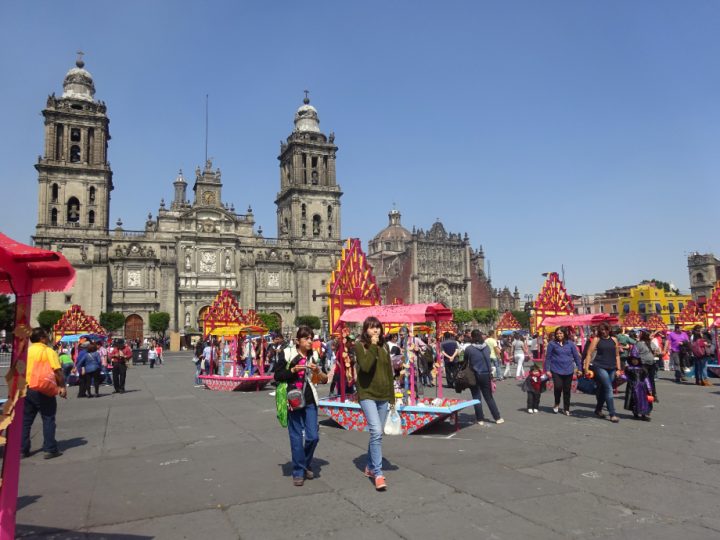
Copacabana
From La Paz I directly took a “colectivo” to Titicaca Lake: a taxi from the airport first left me at the bus terminal El Alto and I joined other 9 bolivians for a 4 hours trip! Arriving to La Paz by night, I booked a ticket for la Isla del Sol the day after, and slept in the first hotel I found (very easy and very cheap – 4 euros a night). › See the pictures of this trip (on Facebook)
The day after I visited Copacabana from 8am to 1pm (hour of the boat). It’s not a big city but it’s very nice and authentic. I had the chance to participate to the blessing of cars, very typical!
Transports: – Taxi airport => El Alto: 50 bolivianos (20min) – La Paz => Copacabana: 50 BOL (4 hours) – Copacabana => Isla del Sol: 50 BOL round trip (2 hours) – Copacabana => Cuzco: 170 BOL or 140 with a semi cama, less confortable (6 hours + the border control)
Here is the top 5 to do:
Cerro Calvario
Visit the cathedral
Capilla de velas
Walk in the streets
Eat in the Market
Let’s go to the origin of the Inca empire…
Isla del Sol
There was only two options to go to Isla del Sol: in the morning (8am) or in the evening (1pm), and same to go back (10am and 15pm). The second problem was where they left me (after two hours): the south port (Yumani) instead of the north one (Chinkana), where you actually can see the most interesting ruins. The locals people told me there was a conflict between the three communities and the North were blocked. So I suggested with a group of travelers I met there to wake up early and pass the controls before the sunrise… And it worked, leaving at 5.30am!
After approximately 9km and 3h walking we finally discovered a sacred stone, a ritual table (for the sacrifices of lamas) and the ruins of Chinkana, a huge village / fort / labyrinth! It really worth the pain – because walking at 3800m is a challenge – and we decided to go back from the other way, longer and around the coast… Going up and down the hills… If you’re not sportive I would suggest to go back from the same path! We were back in the south just in time to take the boat (you can ask to take one which stop to the small ruins in the south), and I directly took my confortable night bus to Cuzco.
Looking back… In Copacabana I didn’t have time but you can also take a trip to islas flotantes (floated island) and Isla de la Luna (Moon Island) where there are some ruins. I neither had the force to go to el Horca del Inca, a second hill but it seems to offer a great view of the city!
Tips: – To fight the altitude: Walk quietly, drink a lot (of water…) and use coca leaves (take three, fold them and leave them in your mouth between your teeth and your gum). – Always negociate the prices in Bolivia! › Take a look on this trip (on Facebook)
Arrived in Cuzco I followed Luciana, one of the argentinian girl with Johann, the martinican, and we met Ana, an other Argentinian! We booked an hostel and met a guide recommended by Lupi which sold us a 1 day tour of Sacred Valley, 3 days 2 night for Machu Pichu and 4 days to Choquequirao.
Valle Sagrado
I would recommend to rent a car and go by yourself to the Sacred Valley (same for the Machu Pichu). The guide explainations are very interesting but it’s really easy to go there…
Here are the sites you can visit in one day in Sacred Valley:
Chinchero
Moray
Salineras de Maras
Ollantaytambo
Písac
Machu Pichu in 3 days & 2 nights
Early in the morning we took the bus until Hydroelectrica (7 hours), we arrived by noun, took a break to lunch and followed the railway to Aguas Calientes (3 hours walk, but you can also take a train from Cuzco to Aguas Calientes).
The second day we walked up early to go to the bridge where you start to climb 1h30 to the Machu Pichu. They opened the gate around 6am but there was already a big line at 5… Arriving on top we had to wait for a group to start the tour at 8am. Honestly we escaped very quickly with Luciana to visit at our rythm. So we missed the explanations, but we really passed an unforgettable moment! Johan had the patience to follow the group and told us it was interesting but very calculated to lead the group close to the exit after 4h visit.
We get back around noun to Aguas Calientes and took rest, drinking great Pisco Sour(s). The third day we had to go back to Hydroelectrica to get our bus at 2pm, and made a stop in a nice parc where you’ve got typical plants and a nice waterfall (Cataratas de Mandor, not really crazy). It tooks 9 hours to go back (by night it’s slower).
Tips: – If you have time and force, follow the end of the Inca Trail to have an amazing view of the site! – You can also do this trip with just one night, but you need to leave the Machu Pichu at 11am to get the bus to Hydroelectrica on time! – We already had the entrance ticket for the Machu Pichu, it’s recommended to buy it in Cuzco but you can also do it in Aguas Calientes. IMPORTANT: Huayna Pichu ticket is very hard to get because they allow only 400 persons per day…
Choquequirao in 4 days
Back to Cuzco we ‘ve been invited in our guide family in Chincheros and shared with them the lunch and a very nice afternoon (thanks Hermo!), a very necessary break to prepare us to the trekking to Choquequirao…
Choquequirao is the last inca bastion, hard to access so empty of tourists (big diference from Machu Pichu)! It was great to have a guide to lead us, but his plan didn’t allow us to have time to visit the whole site (a shame when you know you passed through the 6th deepest canyon of the World to get there).
1st day you leave Cuzco and take the bus direction Abancay until Cachora crossing (around 4 hours), then a taxi to the entrance of the trek path (one more hour). From there you start walking, we chose not to rent the service of horses to carry our backpack, BIG MISTAKE. This day we went down the hill (9km, 1600m of negative level) until a bridge, and climbed to Santa Rosa Camp (3km, 700m positive) in about 7 hours.
The second day we paid a horse to carry our bags, really too heavy to climb this huge mountain… After two hours, 4km and 1000m positive level we arrived to Marampata and saw far far away Choquequirao. We prepared the camp for the other night and took back the walk… After others 5km and 2h you finally arrive to this huge site.
It’s really hard for me to describe those ruins… I will just share with you those white qwarts lamas you can see on one of the hill… We passed around 3 hours there, but didn’t have time to visit everything sadly… We needed to go back before the sunset and couldn’t stand an other day… So we went back to the camp arriving by night.
The third day woke up at 6am to start to go back to Chiqisqa, one hour after the bridge to take a deserved break! From 11am it’s really hard to walk so we started the last day at 5am by night to arrive by 8 on the top and we asked a driver who left a group to start the expedition to bring back us to Cuzco.
This trip is the hardest I’ve ever made but it’s also the best in my life!
Cuzco
Back to Cuzco I only had one day so I took a Tour for tips which helped me to see everything in the short time I had (various are starting from the principal place – Plaza Mayor). On this same place you will find the main cathedral. Take a look inside, there’s a painted of “The Last Supper” with one funny detail: they’re eating a Cuy (the hamster you can traditionally eat in Peru)! This is just one example of the colonialism presence in this city. All the buildings are literally built on the ruins of the original city (you still can see the original stones). Even the river crossing the city has been covered…
Looking Back… – I didn’t have time to fully visit Sacsayhuamán in the north of the city, but it’s definitly something to do! – To sleep: I fully recommend Puriwasi Hostel, cheap and perfect location – To eat: San Pedro Market or the Limbus restaurant (San Blas area)
Top 5 to do in Cuzco:
Inka Museum
Coricancha
San Blas quarter
San Pedro Market
Hatun Rumiyuq
Summary: – Day 1: La Paz => Copacabana – Day 2: Copacabana => Isla del Sol – Day 3: Cuzco – Day 4 to 7: Machu Pichu – Day 8: Chinchero BBQ – Day 9 to 12: Choquequirao – Day 13: Cuzco (bus by night to La Paz – 20 soles) – Day 14 to 15: La Paz
Teotihuacan was the largest city in the pre-Columbian in America, its construction has been determined around 300BC, and stay quite mysterious. The Aztecs arriving to the empty city thought it was the place where the Gods were created, or where they built the Universe! We don’t really know yet why the place has been left, or what the pyramids were made for (sacrifices surely).
You will start your visit from the south part, visiting first a citadel and the Temple of Quetzalcóalt (the Plumed Serpent) where a tunnel had been recently found. Then you will start your way to the Calzada de los muertos (the Roadway of the Dead), seing habitations from each sides before go up the Pyramid of the Sun, the tallest one.
Behind this huge pyramid, you will find the museum of teotihuacan culture with the bones discovered behind the pyramids and other reliques which gives you highlight of the development of the city.
In the end of the visit you will arrive to the Moon pyramid, and the courtyard of the Quetzalpapálot palace where you can still enjoy the painted on the walls.
Once you exit the site, you can visit the small Museum of murals and take back the bus to Mexico DF.
You would need at least 4 hours to visit everything fully, you can climb all the ruins and even if it’s full of tourists, it’s unmissable!
Infos: To get there: Metro line 5 yellow to Autobuses del Norte stop and go “puerta 8” where you will find buses for 50 MXN (45min drive) Entrance: 85$MX
Update 2022: You can no longer climb on the pyramids…
After this gorgeous site I had 2 days to visit the capital of Mexico
What to do in Mexico DF
After one week in the nice and quiet countryside (in Yucatan) I must admit I haven’t been really happy to come back to this huge capital. I just had a couple of days to discover this city… I’ve walked a lot in the historic center, Coyoacán and Xochimilco areas, and visited the museum of anthropology. I met in the hostel an american from California who joined me to share the first day of those visits.
Centro historico
I had an hostel one block from the Cathedral, so I visited a lot this area. I would recommend to visit its bells, and the ruins of Templo Mayor right behind the cathedral (as the majority of the catholic churches, they used the stones of the old temples to build it…). I advise you to visit the museum (85$MX).
Bellas Artes
Taking the 5 de mayo street I arrived to this gorgeous building, and walked until the San Juan market, and then came back crossing the Barrio Chino to join the historic center.
Museo Nacional de Antropologia
You need at least 2h to visit this museum, it was so huge I think you can take much more time! Then I walked until the Angel de la Independencía passing by Condesa and Roma nice areas. If you have time you can also climb Chapultepec castle in the heart of a parc.
Museo Nacional de las Culturas
Starting from the Zocalo, the cathedral place, there’s a pedestrian zone where you will find a very nice museum of cultures latin american (and others).
Xochimilco
Thanks to the bad weather this very touristic place was empty, and we were able negotiate the price of one embarcation for two 300$MX (in 2016). It was a nice boat trip, but nothing really special but there was the traditional mariachis playing music on an embarcation! After 1h we came back and went to a market few blocs from the port, a very local place I totally recommend.
Coyoacán
The museum of Frida Kahlo was closed but we enjoyed all the Coyoacán area with all the animations for the Dia de los Muertos (good food, hot chocolate, pan de muerto… delicious!). We also visited the Parroquia San Juan Bautista and stood at the Cervecería de Barrio to wait for the rain to stop…
Celebrate El dia de los Muertos
Mexico DF wasn’t really the best place to celebrate this special day. All the city was decorated for the event, and the streets were full of performances, offerings, and people dressed incredibly scary, but that’s it. For the first year they prepared a parade (that I missed) because of the reputation the last James Bond had generated, but I think the countryside is better to fully enjoy the traditions!
I initially had a flight for Mexico DF but couldn’t go to this country without visiting the pyramids I’ve always been passionated about! So I took a cheap flight to Merida, and had one week to discover some sites of Ruta Puuc, Chichen Itza, Coba, Tulum, before visiting the great Calakmul! I’ve also visited Valladolid and its cenote, and the nice city of Campeche.
I arrived by night in Merida and took a taxi to my hostel (30min, 40 pesos). They had a tour to visit five of the Ruta Puuc sites, but as I hate to follow a group I prefered to go by myself. It was great to take my time, and to enjoy a local bus (where I discussed all along with a maya maid), but I only visited two of the sites: Uxmal and Kabah.
Uxmal is the first maya city I’ve discovered in Yucatan, it takes at least 2 hours to visit it, and much more if you take a guide. It’s really gorgeous and impressive! Kabah is smaller but famous for some 300 masks dedicated to Chac, the rain god. It’s also very well preserved, you can cross the road to go to the west part, you will only distingish the ruins on the left of the way, and you will find a mysterious door which seems to be the start of an old autoroute of procession.
Here are the five sites you can visit in one day (if you take the bus you’ll be running, easier by car):
Uxmal
Kabah
Sayil
Labna
Xlapak
Looking Back… The best way to visit this amazing region is to rent a car and enjoy the visit by yourself. By bus you take a bus from Merida direction Campeche and ask the driver to stop to Uxmal (1h30 drive, 70 pesos). Then you take an other bus to go to Kabah (30min). And to go back you just need to stand on the road and to make a sign to the bus driver when he arrives…
After this nice introduction I took the road of one of the World’s Wonder…
Chichen Itza
Chichen Itza is just a chef d’oeuvre! Its modern ans so special style can be related to the fact it has been built on an other maya pyramid like the one you can see in the region (with just one side to climb on). It has a total of 365 steps and draw twice a year (during the on equinoxes), a shadow in the shape of a snake, finishing by the snake heads on the bottom! You will also discover there the biggest ball court of the country, a huge “cenote”, an amazing observatory, or a huge palace full of columns!
You will need at least half a day to visit everything. One only bad point: it’s so famous that it’s really full of tourists, guides and shops…
Infos: – To get there: Bus from Merida to Chichen Itza: 2h – 100 pesos / bus from Chichen Itza to Valladolid 45min – 65 pesos – Price for the entrance of Chichen Itza: 70 pesos – Best period to visit is definitly during the equinoxe (19/21 march and 22/23 september) where they organize a special show! › See the map of the site › More pictures (on Facebook)
Valladolid
Valladolid is a really nice city where you will visit a spanish convent, various cenotes to swim in (I only visited the one in the center), a very small museum where you will find the oldest cross of the region (as they say…) and various cathedrals.It’s a nice example of a colonial city, in 2 hours you will see everything, doesn’t really worth to spend more.
Good to know: The Cenotes which look like nice natural swimming pools originally served as place for sacrifices… Think twice before diving in!
Coba
After one night in Valladolid, I went to Coba, one of my favourite ruins! It’s a juge city so you may need one of the bike driver avalaible in the entrance, or a bicycle to rent. I prefered to walked to fully enjoy this peacefull land! You finally can climb on the main old pyramid to enjoy an amazing view of the jungle.
After maybe 3 hours of visit, I went to Playa del Carmen, and hated this place! You are in “Gringolandia”: a VERY touristic city, without soul… It’s nice for partying, though, because it’s full of bars and restaurants and has nice beaches!
Infos: – To get there: Bus from Valladolid direction Tulum (around 150 pesos to arrive to Tulum) – Price for the entrance: 60 pesos (price in 2016) Pictures:› check the album (on Facebook)
Update 2022: You can no longer climb on the main pyramid, which was the most interesting stuff here… See the post 2022
Tulum
After one night in Playa del Carmen I took the road to Bacalar and stopped to Tulum, the main maya port and only site on the coast. It’s also full of tourist, but the view and sea atmosphere is a nice experience to live! You need a half day to visit the whole site, full of reptiles… (even snakes!)
I paid 40 pesos the entrance, and 150 the bus to Bacalar.
To finish I found peace and ended this trip in a magic place lost in the jungle
Bacalar & Calakmul
After a long trip from Tulum (3 hours), I arrived to this small city where there is not a lot to do but chilling! Bacalar has a old fort but that’s it, so I took a break in a very hippie hostel (Green Monkey), which was a paradise for young travelers! You can enjoy the nice blue lagoon, do standing paddle, kayak or jet ski but that’s it. I stood there one day and a half, and I met Mat to share the rent of a car from Chetumal to go to Calakmul.
Calakmul is the sister of Tikal, a huge maya city with pyramids which look like mountains! I’ve been impressed by Coba and Chichen Itza, but here is an other thing! All the hills you can see in the jungle are actually a potential pyramid. We arrived in the limit of the hour (accepted until 3pm), paid 70 pesos* the entrance, and stood there until the sunset. You should go early to really appreciate all the site, we barely saw 25% of the ruins. From Chetumal we rented a car, and then you need 1h45 to get to the ruins (see the map of this site / Check the pictures on Facebook).
We ended this trip together in Campeche where we left the car, and I took a bus to go back to Merida when I had a flight to DF.
Summary: Day 1 – Ruta Puq & Merida Day 2 – Chichen Itza & Valladolid Day 3 – Coba & Playa del Carmen Day 4 – Tulum & Bacalar Day 5 – Break in Bacalar Day 6 – Calakmul Day 7 – Campeche and Back to Merida
I had 10 days to visit this big island, I just had the first two nights booked in La Habana and I followed the flow. It lead me to Viñales, the tobacco and “mogotes” region, Playa Larga on the Bay of Pigs and Trinidad.
La Habana
I had a BnB booked – as it’s common there – in a family house in the old Habana. This part of the city is very authentic, full of colonial houses and small streets. It’s messy and charming, but a (white) girl alone is the center of all men attention, and it can become annoying, but I’ve never felt unsafe and I passed a really good time there!
The two first days I lost myself in the streets of the old Habana, enjoying the parade of old cars, the beautiful people in the streets, the view of each building, pieces of art left there like the time had stopped… During the afternoon I took a “top on top off” bus (10$) to join the other parts of the city, including the Malecón (the avenue on the bay), the Revolution place, the necropolis Cristobal Colon where I made a break to walk a little bit, and I took back the bus crossing the richer part of the city where you can find the Resorts and Embassies. I came back and enjoyed my last night in La Habana in one of the various restaurant with cuban live music.
TOP 5 areas in old Habana:
National Capitol
Real Fuerza Castle
Cathedral Place
Calle Obispo
Plaza Vieja
Looking Back… – If you have time in La Habana don’t forget to visit the Moron Fort, and to enjoy the Jazz Club or La Fabrica – Everything is negotiable: the taxis, meals and nights! – You have two money there: the CUP and the dollar, CUC. 1 CUC = 1$usd = 24 CUP
I asked a taxi to leave me to the “Colectivos” leaving to Viñales, close to the Revolution place. When I arrived they told me one was leaving in 30min… 2 hours after it was finally full and we left for a 4 hours trip in a car from the 70th shared with other 6 travelers! When I arrived there a woman offered me a room in her step sister’s home. As always you need to fill in your informations with passport number, and pay cash.
Tobacco Tour
I asked her a tour for the tobacco plantations and 1 hour after I met a guide with his little girl and we went to his place to start a horse tour (we went the three on his bike…). It was a gorgeous day, we met a guy lost in the hills making his cigars and telling me about his business, we visited a cave and a lake where you can swim, and finished in a bar in the middle of nowhere with cubans living there, drinking local rhum!
Cayo Jutias
The day after I had booked a tour to Cayo Jutias, one of the paradise island in the north. We negotiated to stay there a little bit more, and I enjoyed a day in a postcard with a belgium guy I met in the cab! Back to Viñales I met an argentinian woman who told me she had booked a colectivo to Playa Larga. So the 4th day I woke up early and waited for a place to also go there!
Infos: – To stay: Casa Yiyi (15$ the night + 5$ diner + 3 breakfast) – Horse tour: 5$/hour (3h minimum) – Cayo Jutia: 15$ the taxi with return (1h30) – If you have time: Visit the Cueva del Indio!
Playa Larga
Playa Larga is situated on the Pig’s Bay famous for a failed military invasion of Cuba undertaken by the Central Intelligence Agency. It has hot water and whit sand beaches. I arrived, found an BnB and enjoyed the day at the beach. The young woman of the accommodation advised me a dive center where I’ve been the day after for a very nice day swimming in the caribbean ocean in front of cueva de los peces – the fishes cave.
I met there a group of spanish girls and we went out together by night, invited by “Chocolate”, a guy from the dive staff! He found us for the day after a great plan: a taxi driver who accepted to pass the day with us in a All Included called Caleta Buena and to leave us at the end of the day at Trinidad.
Infos: – To stay: Casa Leibis (15$ the night + 4 diner + 3 breakfast) – Diving day: 25$ (45min diving + cuevas de los peces) – Caleta Buena all inclusive: 15$
Trinidad
After 3 hours driving in an other classic car, we arrived in this colorful old city! My new spanish friends had a great plan for an hotel and we shared a room after a good negotiation. We were on the top of the city, 15min from the main place. There was a special celebration, with a rodeo and dancings by night! We passed two nights there, enjoying the nice streets, painted shops, cheap restaurants and an amazing disco in the heart of a cave…
The day after I needed to go back to La Habana, with a hangover, sharing my Taxi with two Argentinian guys and Russian girl. I passed the last day enjoying again this great city!
Infos: – To stay: Hotel Kinto (30$ / night for 3 people with breakfast) – To eat: Restaurante la Taberna – To drink: Casa de la Musica – To dance: La Cueva
Hasta la próxima Cuba!
Summary: Day 1-2: La Habana D3: La Habana => Viñales (4h) and horse tour D4: Cayo Jutias D5: Viñales => Playa Larga (5h) D6: Diving Cueva de los peces D7: All inclusive Playa Maceo => Trinidad (3h) D8: Trinidad D9: Trinidad => La Habana (6h) D10: La Habana
From Buenos Aires you can easily take the ferry to Montevideo, capital of Uruguay, or this small and cute old city, known as the oldest town in the country. One day is enough to visit everything, here is what I saw there:
I’ve been sent to Colombia to work, and as I already knew Bogota from a previous business trip, I decided to pass the week-end in Cartagena de las Indias. I had time to enjoy the historic center, a bit around, and to go on the coast to Playa Blanca!
The historic center
Cartagena is a little colorful treasure! I arrived in the airport early in the morning, went to the hostel in taxi to leave my bag, and had all the day to visit the center full of colonial houses, palaces with gorgeous inside patios, and streets full of culture mixed.
Addresses: – To stay: El Viajero Cartagena Hostel, Cartagena – To drink: La Marzola (nice deco) – To dance: La Botica rooftop! – To see the sunset: Cafe del Mar on the fortifications!
At noun I made a stop on a place, and met Jorge, a old columbian who offered me to walk around with me. We visited together the gold museum, the Plaza del Reloj – Clock place, the Parque Centenario full of iguanas and monkeys, and the Baluarte (bastion) San Miguel Chambacu.
Then I took a Free walking tour to know a bit more about the story of the city at 4pm (from Plaza Santa Teresa, starting also at 10am). I finished the day having dinner on Plaza Santo Domingo and seing a caribbean street show, went back to the hostel and met two crazy americans (Ben & Nick) in the bar. We went out all together with other travelers, a night we’ll remember!
San Pedro Claver
On this place you will enjoy a quiet ambience in the feet of the San Pedro Claver church (originally known as the church of San Juan de Dios).
Plaza San Diego
You will find some markets on this place, an red church really lovely, and you NEED to take a look inside the Hotel Sofitel Legend Santa Clara Cartagena in the corner (expensive place but with an amazing patio).
Parque Centenario
This small parc beyond the historic wall is full of sloths, marmosets, squirrels and iguanas! It’s also a green place where you can take a break from the warm weather.
Plaza Santa Teresa
Start point of the free walking tour, you will find there a naval museum with an interesting map of the original city, and you can also climb here on the old town’s wall!
San Felipe de Barajas Castle
I didn’t have time to fully visit this fort, but you surely should take time to visit it! It looks to offer a really nice view of the city, and give you more informations about how Cartagena were built since the spanish invasion.
Museo de oro
If you don’t know the gold museum of Bogota, you may like this small museum full of treasures of the Zenú culture! It’s situated on Plaza de Bolívar, and closed on sunday and monday!
Plaza Santo Domingo
Parque Centenario
Playa Blanca
The day after I had a tour booked from the hostel to Playa Blanca (1h from the center). I met two argentinian guys and a columbian from Cali in the mini bus, and we had all day to enjoy together the sun and the warm water. It was far from a empty beach I was used to in Panama, but it stays a paradise on earth…
When I came back I had time to visit the Getsemaní area, full of street art and finished the day walking on the old city wall.
Looking back: Playa blanca wasn’t maybe the best choice to make, it was a too touristic. I think if you have time you should go to islas del Rosario, isla Grande, or if you have time go to Barranquilla (perfect place also for the Carnival).
To celebrate my 30 years old I was on this mysterious island, one of the most isolated, with my mom. In 4 days we achieved to visit the majority of the sites. It’s one of my favorite trip and defintly my best birthday ever!
Rapa Nui
Eastern Island, or the polynesian name “Rapa Nui” is a small island lost in the middle of the Pacific. Discovered on an eastern day, by a dutch group in 1722, it’s an island full of Moais, those enigmatic statues built between 1250 y 1500 AC.
We rented a car to visit the island and enjoy the time there all alone. You need to know that every Moai stand up have been restored, as they were all destroyed. Some of them wear a hat, others coral eyes.
You must buy at the airport a ticket to visit two sites: Rano Kau and Ahu Tongariki. The others are free (for this moment).
We started the day by Vinapu, where we saw the first destroyed Moais but also the incredible work on the hats and on the platforms (very close to the peruvian style around Cuzco). Then we took the coast road and stopped at every point.
The main sites:
Vinapu
Hanga Te’e
Akahanga
Ahu Tongariki
Day 2 – Rano Raraku, North Coast & Orongo
After seing the sunrise back to Ahu Tongariki, we went to the mountain where were built the Moais: Ranu Raraku. You can see there 397 moais, including in the heart of the volcan! They were dug directly in the rock, and put in a hole to build the back side. They all have been abandoned in the middle of their construction or during the transportation. To protect them the archaeologists left the bodys in the earth, but you can easily imagine the size of the statue watching the heads!
We kept going north to find various sites, like the petroglyphs of Papa Vaka, the stone Pu O Hiro (a natural trumpet), the red beach Ovahe,Te Pito Kura – World numbril, and finished on Anakena beach where you see the Ahu Nau Nau.
Orongo
Orongo situated on the south west is a big hill where you can appreciate a gorgeous sunset! You will start by Rano Kau belvedere, view on the crater full of water, and walk along the coast seing the original Orongo houses where started Tangata Manu celebration, “Bird Man”.
Each village chief chose his champion to perform the competition (the winner offer to his village the repartition of the island supplies during one year). The competition consisted of a race starting in the crater, then they had to swim on a board to Moto Nui island (you can see in front of Orongo). Finally they had to find a tern egg and to go back on the coast with the egg intact!
Day 3 – Around Hanga Roa & the West Coast
Hanga Roa is the only city where you can visit there a nice museum, the church (you should go there during a mass where they mix christianism and local traditions and songs), and an artisanal center.
Close to the city:
Ana Kai Tangata
A cave with birds draw on the ceiling!
Ahu Vai Uri
Situated on Tahai site, Ahu Uri and Ahu Tahai are a great place for the sunset!
Ahu Ko Te Riku
Also on Tahai place, this Moai is the only one who kept his eyes!
Hanga Kio’e
An other alone Moai back to the see!
The caves
On the west coast you’ll find the cave Ana Kakenga, with two windows on the sea (hard to find because the hole is small) and Ana Te Pora a bit further.
Ahu Akivi
The only site where the Moais seems to look on the beach (the others all look inside of the island).
Huri A Urenga
A Moai with the particularity to have 4 hands.
Puna Pau
The place where come from the hats: Pukaos.
What you can ear in the church on sunday…
What you can see in the city (Playa Pea)…
If you have more time: – There’s a Moai in the sea: go diving! – We didn’t have time to go on the North side west side where you can go by feet – You can do a trekking to Terevaka Volcan (507m) or Volcan Puakatike (370m) – The best period to go there is during february for the Tangata Manu celebrations
Atacama is a region situated in north of Chile, less than 2 hours flight from Santiago, I’ve been there various time and always prefered to rent a car instead of taking a tour.
Desierto de Atacama
First I’d like to reassure you, it’s very easy to orientate yourself in this desert. You have Calama, the airport city, at 1h30 of San Pedro which is the main « city » and the starting point of all the tours. But as I always say, groups are not for me so I always rented cars from Calama to enjoy the desert alone with my friends!
– Petroglyphs of Yerbas Buenas – Valle Arcoiris – Rio Grande – Valle de la Muerte – Piedra del Coyote
Petroglyphs of Yerbas Buenas & Valle Arcoiris
I will always remember the first time I took the car from Calama to San Pedro with my friends, crossing the field of aeolians and getting deeper and deeper in the middle of nowhere… Before arriving to San Pedro we took the road on the left direction Rio Grande and stopped to the Petroglyhs of Yerbas Buenas.
On the sunset we went to Valle Arcoiris (I’ve been there a few time, I think the best moment of the day for the colours is in the morning). To find it it’s easy: after Yerbas Buenas the road goes down to a bridge, you need to take the road on the left BEFORE this bridge!
If you have time you can go to Rio Grande which is a nice village lost in the mountains.
Petroglyphs yerbas buenas
Valle arcoiris
Salar de Atacama, Lagunas Altiplanicas & Piedras Rojas
From San Pedro we took our car direction south (Toconao – Solaire) and start our trip seing the sunrise on the lake Tebenquiche, then we follow the road to pass in front of the Eyes of the desert – los Ojos del desierto (two big holes in the middle of the earth), and arrive to Laguna Cejar when you can swim in a salty lake (for me it doesn’t own the price).
After that, it’s a cul de sac, you will need to go back to the main road and can take a break to Toconao (not a lot to see but a small church and the stairs of the bell tower made of cactus wood ! – try to be there at noun it’s still a manual bell) and then direction to south, turn on the first to the right until Laguna Chaxa which is the supposed favorite place for the flamingos. You’ll find there a small museum about the desert fauna et flora, and you can enjoy a nice labyrinth of paths through the salty desert.
We came back again to the main road, and took direction Solaire to go to Lagunas altiplanicas (Lagunas Miscanti and Miñiques). We came back to the main road again and took direction to Piedras Rojas. To be true we didn’t make it the first time (not enough fuel) but you should definitly end this day seing the sunset there!
San Pedro, Pukara de Quitor & Valle de la Luna
Back to the city we visited a little bit the center… Enjoy the market (entrance on the main place), eat a nice empanada, buy some fruit or vegetables on the car park… You can also visit the museum of meteorite (never did) and a nice church!
Very close to San Pedro there is a lot of stuff to see: you can start by Pukara de Quitor (Atacamanian ruins), it’s just 5 min drive from the city center and it gives you an amazing view of the Death Valley.
Valle de la Luna MUST be in your todolist!
Places to eat & drink – Burger Garden, a food truck – El Huerto & his garden behind – Casa de Piedra, nice restaurant! – 02 for a good breakfast or tea – ChelaCabur for a good beer – Barros and his live music – Lola’s to take a drink – Ayllu and his terrasse with fire
Here are what you can see in this Moon Valley:
Canyon
Dune
Anfiteatro
Las 3 Marias
Around San Pedro you can also lost yourself in the Garganta del Diablo, or go to Valle de la Muerte – Death Valley – to do Sandboard (there’s not more to do there…).
Salar de Tara
Here you will go to the highest point, more than 4300m, I’ve been there twice, one with a 4×4 with a friend but we almost lost ourselves in the desert, so the second time I booked a tour with Horizonte Atacama Agency. You will start at 7am and end around 4pm, totally dead…
You will first stop at Rio Quepiapo, then you will enter in the desert and have few time to see the Monjes de Tara. They’re old volcan projectiles, very impressive… Then you will stop on a huge crater, and go to Tara’s Cathedrals to have lunch in the border of a lake before coming back.
Geisers of Tatio & Termas de Puritama
To go to the Geisers without having 1000 tourists with you, you shall arrive before the sunrise or later (around 8am). I did both and I recommend early in the morning to really appreciate the effect of those Geisers and the big smoke towers they make! I also heard that it can be cool for the sunset… And I’ve never did it but you can even take a bath there!
You can also wait until Termas de Puritama to swim, it’s a really nice place, an oasis in the middle of the desert with great installations!
“Get lost in the Nature and you will find yourself”
Time for each activity: – Valle de la Luna: 3 hours to visit – San Pedro to the Geisers: 1h30 – San Pedro to Termas Puritama: 30min – San Pedro to the Atacama Salar: 45min – San Pedro to Toconao: 30min – San Pedro to Piedras Rojas: 3h
Prices (in pesos, for foreigners): – Valle de la Luna entrance: 10000$ – Geisers entrance: 10000$ – Termas de Puritama entrance: 11000$ – Laguna Cejar entrance: 25000$ – Tour of stars: 30000$ – Tour of Salar de Tara 40000$
Looking back… – The most beautiful part is beyond the Piedras rojas, you will see amazing lakes full of Flamingos and colored mountains – Never did: minas de Chuquicamata, the biggest with open sky! You need to book in advance and to start from Calama. – The only tours I would recommend are for the Salar de Tara, Volcan Licancabur (5920m) and Salar de Uyuni (in Bolivia) – Best sunset: at Piedra del Coyote (included in the entrance of Valle de la Luna) – I fully recommend a star tour, but with lot of clothes and more than one telescope for 10 people!
Thanks all of you for sharing those great landscapes…
Ahhhhh Rio! I think this is one of the best city I’ve ever visited… I’ve been there first for the Carnaval and on various professional trips, and I always enjoyed the weather, the people, the music, the ambiance…
Rio de Janeiro
There are so many ways to visit this magic city… You can easily walk in the Downtown area, take a rest and enjoy the beaches, visit the touristic places like Pao de Azucar, Cristo Redemtor, or find more local stuff like watching a game in the Maraqueña stadium, visit a favela, or go outside the city in Ihla Grande in the west or Buzios in the east. Rio is also a perfect place to party, more than ever during the Carnival!
– To stay: El Misti Hostel for its bar, or Villa budget for its patio (both are in ideally situated in Copacabana, few blocks from the beach and in front of Siqueira Campos metro station) – To eat: You need to try one of the churrascaria restaurant, specialized in BBQ (like Porcão which is a chain). If you want cheaper, they also have a lot of restaurants with huge buffets where you pay the weight! And if you look for a romantic restaurant, I recommend the rooftop of Praia Ipanema Hotel, with an amazing view on Ipanema beach (for the sunset…) – To try: Pan de queijo & the açai juice!
Top 5 of the best views of Rio:
Cristo Redentor
Pao de Azucar
Dos hermaos
Duque de Caxias
Vista Chinesa
The city center
In an half day you can visit all the city center, between the metro station Gloria and Cinelandia (you can also take the new tram)!
Escalera Selarón
Those famous colored steps start on the feet of the old aqueduc, el aqueduto da carioca.
Cathedral Sao Sebastian
Known as the Metropolitan Cathedral of Rio de Janeiro, this very special church has been built in the 60’s and 70’s for a maximum of 20 000 people!
Municipal Theater area
The city center is full of treasuries mixed with modern buildings, but you can still see nice stuff like the theater, Praça XV, or Candelaria church.
Parque Olímpico
Take a moment to discover this rehabilitated port, with the Museum of Tomorrow – Museo do Amanha -, and the World’s largest street mural graffiti… Amazing!
Eduardo Kobra, brazilian artist, representing the different faces of humanity:
The beaches
You can’t leave Rio without try those beaches! Rio has the best beaches I’ve ever seen in term of ambience… Between people playing footvolley or volleyball, doing surf, bodyboard or standing paddle, and the others taking rest with their family or friends. You can rent a chair for few reales, and enjoy the beach life with salers of caipirinhas, food, bikinis, pareos, hats… The best are the most famous: Copacabana, and Ipanema where you need to see the sunset behind the Dos Hermaos (two brothers) mountains. You could even rent a bike and easily go from one to the other!
On Copacabana if you have time I recommend you to have lunch in the Forte Copacabana, and to check the Caminho dos Pescadores – the fisher way, in the bottom of Duque de Caxias fort by night!
What else?!
Parque botanico & Tijuca forest
If you have time to visit this nice parc you will also discover the lagoon of the city, and you could also keep going to Tijuca forest where you will find plenty of things to do (like nice waterfalls where you can swim, or the famous Chinese view -Vista Chinesa.
Maracaña
If you are lucky and can buy a football ticket to live this experience, I totally advise you to go there! We had the chance to see a game of Flamingo – Botafogo, two clubs of Rio, and we really had a great time (arrive early to buy the tickets in the stadium, or buy them directly in the club).
Favelas
We took a tour (with Rio Maximum) to visit Rocinha Favela, the biggest one, and a second one to go to Morro Dos Hermaos where we crossed the favela Vidigal. During the day there are so many people that I’m not sure a tour is needed, but it’s still interesting!
Want to see monkeys?
You have good chance to see those monkeys in every parc of Rio, but the best place is probably on the way to go to the fort Duque de Caxias. You will see that those marmoset aren’t shy at all (carefull though not to be bitten)!
Rio is also the perfect place to have fun by night! Botafogo, Santa Teresa, Leblond… You will always find a great bar or place to dance. And the Carnival is the apotheosis of the celebrations: a great ambience, people with smiles everywhere, everybody is a friend… During this first week of february, you MUST go to the Sambodromo and see the best Samba schools in competition, and participate to one of the various Blocos in the streets!
Outside of Rio
If you have time left, you have two very good options at only 3h from Rio: you can also go west in Angra dos Reis bay and take a boat to Ilha Grande (we took a one day tour, but I think it deserve much more time to really enjoy the magnificent of this region), or go east to Buzios, a tinny but nice city with the same warm and blue water, and the big boats to visit the islands.
Ilha Grande
Buzios
Safety: I lived 4 years in Latin America so I already know that I have a “gringo” face, and I always take care of myself travelling alone: I don’t wear gold jewleries, I don’t have handbag and just go out with few Reales in my pocket, my phone and a copy of my passeport! During the carnival there’s a lot of pickpockets but also a lot of cops in the streets. We were two french girls and met a lot of easy going persons. I’ve never felt in danger in Rio and never had any problems. I even met great people and shared incredibles moments with them!
I lived almost 3 years in this city so I know it pretty well, and lived my best years there! Between Europe and Latin America, you can find everything in this modern city, but for a tourist I would just recommend few days there, as Chile is very different from its capital!
The historic center
Let’s start by the old center. Take the metro line 1 (red one) and stop at Santa Lucia. Here you will find two artisanal markets: the craft center (perfect to buy souvenirs) across the main road, and an other at the entrance of Santa Lucia hill. You can enjoy a very nice view from the top, and go back down to take San Antonio pedestrian street. There’s a lot of shops and restaurants in this area. Take North direction and you will arrive on the main place: Plaza de armas. This is the km 0 point of Chile. On this gorgeous place surrounded by galeries, you can visit the cathedral, the old post office, and the city council where you can climb on the clock tower to get a general view of the place, and enjoy the museum of the city! I also recommend you the pre colombian art museum – el Museo Chileno de Arte Precolombiano.
Let’s keep going North until the Mercado Central, perfect place to eat fish and sea food. If you like local stuff you must absolutely go to La Vega market crossing the bridge! The paradise of vegetables, fruits and spices… Cross back the bridge and walk along Florestal parc until Bellas Artes museum. Here take on the right and finish this big walk in Lastarria, the latin quarter full of terrasses to take a nice break. If you like opera, I suggest you to visit the Municipal Theater also in the center!
Cerro Santa Lucia
If you have time…
La Moneda
The president building destroyed by the Pinochet bombing in 73, and where Salvador Allende committed suicide. You also have a cultural museum to visit and the biggest flag of the country on this place!
Barrio Yungay
This old quarter full of street art where you can visit an impressive human right museum: el Museo de la Memoria y de los Derechos Humanos. Take time also to discover the street Concha y Toro.
San Francisco church
This red church is the first and oldest colonial building of the country. You even can see there a chapel for domestic animals!
Paris Londres
Two very nice streets with a european style close to the craft market (centro artesanal) of Santa Lucia.
Barrio Italia
Situated south of Salvador Metro, calle Italia full of galeries and coffee shops is a perfect place to walk during the week end.
Los Dominicos market
At the end of line 1 of the metro is a nice artisanal market in the feet of the Cordillera.
Places to eat: – Liguria, chilean food and nice restaurants (metro Tobalaba or Manuel Montt) – The terrasse of Biografo in Lastarria, food is not crazy but it’s nice and quiet – Peluqueria Francesa with great deco in Yungay – Castillo Florestal in front of Bellas Artes – Mathilde’s rooftop for the sunset in Bellavista – Silvestre in Barrio Italia for a sunday brunch
To take a drink: – Maestra vida, a salsa bar – Bar a cielo Abierto for colombian live music – Jardín Mallinkrodt, a nice patio – The Thelonius in Bellavista, a jazz bar – The Roof (or others on Tobala avenue) – Santo Remedio or other bars on Manuel Montt – Bar de Rene Barrio Italia, a rock bar with cheap piscolas
From top to underground
The highest tower of latin america is located in Tobalaba, in Costanera Center! You should choose a day without “smog” (the pollution cloud), the day after a rain is perfect for that. You could walk from the tower along the Rio Mapocho to Pedro de Valdivia Norte and take the teleferic to go on top of San Cristobal hill, to the Virgen. To go back down you can take the “elevator” and arrive to Pionono street: the perfect place to take a drink. You can or choose one of the terrasse on the street and enjoy cheap beers and fries “namedekoi” or go to Patio Bellavista, much more “high level”.
Looking Back… Santiago is nice to visit two or three days, but you better go out from the capital as soon as you can. You can find places around the city, take North to La Serena and Valle de Elqui, or go to Atacama region, or take South to the lakes region around Pucon and Puerto Montt, go to Chiloe Island, or take the Carretera Austral to the great Patagonia, or a flight to Punta Arenas to visit Torres del Paine parc and the glaciers.
Close to the city…
The Cordillera
Cerro Manquehue, Manquehuito, Pochoco, Santuario de la naturaleza, Aguas de Ramon… You have plenty of places 30min from the city center to lost yourself in the nature and escape from the polluted center! To ski you shall go to Valle Coronado or Nevado.
Pommaire
This small village is a nice break and can be a stop to do before going to Valparaiso! Famous for its poteries you can buy very cheap stuff and enjoy great typical chilean food!
Valparaiso
UNMISSABLE! Full of stories, this hippie city has a collection of street arts. You can pass a week end there taking a bus from Universidad de Santiago.
Vineyards
Santiago is surrounded by great vineyards like Concha y Toro, or Emiliana (an organic one) you can visit with a guide and vine degustations.
Cajon de Maipo
If you like green places, rafting, trekkings, or hot baths, I fully recommend you to go there (by car for more liberty)! You should visit the website to get all the informations!
For my 29th birthday I decided to enjoy short holidays in Costa Rica! I was working in Panama so I took a night bus to the North border, crossed an old bridge, took an old bus to finally arrive in Puerto Viejo de Salamanca, THE PEACE ON EARTH.
I was travelling with Marine, my flatmate (and talented video maker) and we shared really nice experiences: The Mad Monkey hostel and its cheap hammock, the beautiful virgin beaches, the bike rental crossing a forest full of monkeys, the refuge of wild animals, and the Bri Bri community visit!
Las Perlas, or Pearl islands are an archipel situated at 30 km from Panama Coast, lost in the middle of the Pacific. When I lived in Panama I passed a week-end there with friends to see whales!
Contadora
We left for Contadora (one of the first island of Las Perlas and one of the more touristic place with Saboga island) from Balboa Yacht Club Causeway in Panama City (check in at 7am, departure 7:30 on Saturday morning). After 1h30 journey we finally arrived in the archipelago of Las Perlas!
200 lost islands in the Pacific, which were the pirates hiding place before becoming those of the Germans and Americans who decided to charge a price for any service… (expensive for Panama, not really from our European eyes). It’s also where they grabbed several episodes of The Survivor (and the 2004 edition of Koh Lanta!) and where Christian Dior bought a vacation house…
Contadora is quite big but not too much, you have electric golf cars as main transportation, or bicycles, or you can just walk (one hour to do the round trip). On the roads you’ll find beautiful houses, nice beaches and magnificent hotels restaurants!
It’s not easy to find a place to stay for less than 40$ per persons… We were hosted in Casa del Sol, a Bed and Breakfast. The managers came to get us to the ferry, showed us the rooms (the extra “beds” provided were a joke), and left us. The studio cost $143 for 4 people ($36 per person). The breakfast was poor and the promised bikes missing…
Big “Like” for Playa Larga hosting a boat and several abandoned hotels (I wonder how / why)!
Infos: – To go there: $90 roundtrip Sea Las Perlas Ferry(another Ferry offers to leave from the Trump Tower but it wasn’t available) – To sleep: $36 hostel Casa Del Sol, not the best but the less expensive I found… (I recommand Villa Romantica or The Point) – To eat: Between $15 and $20 each meal (we’ve been to Villa Romantica in front of the sea, Las Tortugas an Italian restaurant and Gerald’s specialized in fishes)
Whales watching Tour
The owners of the BnB recommended us their friend Nino, who would take us to a boat ride for $35 a half day (the entire boat…). It would have been the best option if we didn’t have yet a tour booked in advance with an agency (50$ per person for 3h). A friend saw an other publicity on the beach offering 6$ per person. Conclusion: NEGOCIATE THE PRICE!
So we started the tour at 10am, leaded by… Nino! This tour was just perfect, we were all alone and we had an english speaking guide.
Infos: Whales Watching Tour – 10h a 13h – 50$ Nino’s phone if you don’t want to pay the agency: (+507) 6652 5323
Lost in the Caribbean sea, San Blas is an archipel of more than 360 islands where you will meet the Paradise on Earth! When I was living in Panama I’ve been various time to different islands, in group or in couple, with a guide or alone.
Kuna Yala
You will see that the Kunas are a little bit shy, sometimes they don’t speak english or spanish, but we had the chance to meet very friendly people who told us a bit of their traditions: I’ve learnt that they are married very young (it’s normal to have a child at 15YO for example), they leave all together in peace being Mormonts, Adventists or Catholics, they have churches and schools in the mains islands and they pass their days working for tourism, taking care of the islands and fishing.
For them resting like we do on the beach without doing nothing and with bikini is crazy, and the price of the traditional woman dress and jewels are very expensive (don’t remember the price but it’s like 700$ the all stuff…).
So you will stay on touristic islands with just few “cabanas” and all included services. Meals are constituted of rice and banana “plantin”, with chiken or fresh fish (sometimes lobsters), with a little salad and pineapple as a desert. The first time I been there in 2013 they didn’t even have electricity, but they now use solar panels (what a pity…).
Guanidup
Guanidup
Guanidup
Senidup
Senidup
senidup
Senidup
Kuna
Nubesidup
Nubesidup
On this territory own by the Kunas, the natives from those islands, you really have for everybody:
Isla Guanidup
For lovers (because not much to do but beautiful and clean)
Isla Perro
For campers and revelers (the world and tents and hamaks)
Isla Senidup
For funs groups (large enough with volleyball ground and music by night)
Isla Nubesidup
For quiet groups
You will always be able to do snorkeling around those islands, and you can also ask a tour to their islands cities or more touristic:
Isla Perro
An island in “camping” mode where I discovered the joy of snorkeling with a nice wreck, full of colorful fish, and large shells
Isla de las Estrellas
You don’t have nothing to do there but enjoy the coconut trees, pelicans, flying fish and snorkeling to see the starfishes!
How to go there
From Panama to Kuna Yala harbour:
It is recommended to go from Panama around 5:30 am/6am to be in port from 8am to 8.30am. It’s just 95km driving but 1h in the mountain, crossing the tumultuous Chagres National Park. You can choose between paying a taxi $ 50 roundtrip per person, or have to drive (with a 4×4), around $ 60 for gasoline + entrance fee of the car on the territory $ 5 + parking in the harbor $ 5).
Be aware that anyway you will be control to a police station and at the entrance of Kuna Yala where you will present your passport and pay the entrance fee – between $ 2 and $ 10 per person ($ 2 for Panamanian, $ 4 for resident and $ 10 for tourists).
You must also pay $ 2 at the entrance to the harbor.
From Kuna Yala port to the islands:
A lancha will then pick you up and will take about 30 minutes to arrive on the island you chose (you need to contact the owner of the island to book in advance and be sure to have a place)
You usually arrive on the islands between 8 and 9am on saturday, and leave the day after around 3pm.
Prices: Nubesidup: 60$ one night and food Senidup: 60$ for one night and food Guanidup: 75$ per night and food Isla Perro tour: 10$ Isla de las Estrellas: 6$ Rent a snorkel: 4$ Buy a fresh coconut: 1$
I moved in Ireland in 2006 and fell in love with this country, the people, the magic atmosphere in the pubs, and the amazing landscapes. I came back few times there, and visited almost all the island, from Dublin to Northern Ireland, from the Donegal to the Connemara, from Killarney to Cork.
Dublin, or Baile Atha Cliath
I really feel like home in this city. You must pass between 2 days and one week to visit all you need to see: walk along the Liffey, do shopping in Grafton and Henry streets, enjoy St Stephen’s Green mall (and parc) or visit the Dublin zoo in Phoenix parc.
You will take pictures of the Wellington Monument, Molly Malone and Oscar Wilde statues, listen to the silent of Trinity College (in the heart of the city center), visit Christchurchand St Patrick’s Cathedral, the Jameson’s Distillery, the museum of Modern Art, of Natural history, or more original: the national museum of Leprechaun!
Don’t forget to take a look inside of the post office on O’Connel street, and to try the best pubs of the World in Temple bar area, after passing behind the legendary Ha’penny Bridge! And if you want to drink the more typical irish beer with the best view of the city: visit the Guiness Factory!
If you’ve got enough time you can also visit Kilmainham Goaland Van Gogh museum, or take the Luas (local train) to visit Malahide and its castle, or do a little trek on the cliffs of Howth (30min from the Connolly train Station). And if you’re lucky you can get a ticket to see a rugby game in the Aviva Stadium, or a hurling game in Croke Park!
Best pubs in Dublin: Porterhouse for his burgers, The Church(yes in a real old church), Temple Bar, the real one, unmissable, The Oliver St John Gogarty and its lives, Arlington to see irish dance, The Mezz for a rock’n’roll night, The Johnny Fox pub (outside of Dublin, the highest of Ireland).
Here is my top 5 places:
Ha’penny Bridge
Trinity College
Christchurch
St Patrick
Temple Bar
TRIM CASTLE
HILL OF TARA
NEWGRANGE
SLANE CASTLE
MONASTERBOICE
From Dublin to Belfast
If you go one hour north to Dublin you will make a great time travel…
You can start this trip visiting the Castle of Trim and the Hill of Tara, known as the seat of the High King of Ireland.
You can follow the road to discover Slane Castle (where the best concerts took place, like the one of U2 or the Red Hot Chili Peppers!), and go back time with the prehistoric monument Newgrange, and finish by Monasterboice, an important old religious center.
Visiting those sites you will travel in the history of a country from prehistory to catholicism and celtic history this country has been built on.
Northern Ireland
I’ve never been a huge fan of Belfast, it’s too far from the warm ambience of Dublin, but the landscapes are still gorgeous and the most impressive coast I’ve ever seen: Giant’s Causeway!
Belfast
Capital of Northern Ireland, Belfast is full of history and activities. You can visit the Titanic museum (where it has been built), and one of the oldest pub of the country: the White’s Tavern!
Antrim
Only 30min from Belfast, the castle and the particular round tower worth a tour!
Carrick-a-Rope bridge
I’ve never took time to walk on this bridge, only opened with good weather conditions, but it looks nice.
Dunluce Castle
A very romantic medieval ruins on top of the cliff.
Giant’s Canseway
A huge volcanic formation, with a nice legend which says it would have been made by a scottich giant who build a bridge through the irish sea to kill an irish…
Bushmills Distillery
One of the best irish whisky, and the oldest working distillery in Ireland!
The Donegal and the great Connemara
After a stop to Londonderry (made famous with the song “Sunday Bloody Sunday”), you will be amazed by the landscape of the Donegal, especially during the automne where the colors are red and shinny). Going south from there you will meet the Connemara, one of my favorite irish region. From Wesport to Galway you will drive on green roads, crossing huge lakes, and arrive to the magic Kylemore abbey, lost on the Pollacapall lough.
You may finish your day in Galway, for me the second best city in Ireland! I heard that “Gal” meant “Foreigners”, and it was one of the main irish port, the way taken by the foreigners to enter in the country. There’s not a lot to see there, but the cathedral and the Spanish arch, but you will enjoy the life of Quay street, with a lot of shops and pubs.
Not to miss: At 1h30 in the south you will find the highest cliffs of Europe, the cliffs of Moher!
Thanks guys for those various trips I made with you!
In 2008, after visiting Stockholm, Edinburgh, Amsterdam, Bremen with friend, and Oslo all alone, I decided to cross the Atlantic ocean and discover the french part of Canada: Québec!Once I was there, after visiting Montreal, Québec city and Ottawa, I took a long night bus to New York with my friend Sam.
Montréal:
Sadly I didn’t took a lot of pictures of my trip, but I will always remember the hostel where I was staying, nearby the old port. Saint-Denis street, the financial quarter, Notre Dame basilic, the Mount Royal, the Olympic stadium, the Biodome, and the famous bar “Les Foufounes électriques”.
Québec city
Second city of my trip, Québec city looks like a big village in France. The Petit Champlain area, the cathedral, the castle of Frontenac… all the Citadelle was very charming!
Ottawa
The capital of Canada seemed much colder to me than Montreal and Quebec. Administrative buildings, huge Saint-Laurent river, closer than an US city.
New York
New York was a dream. We only past 4 days there, running all day long and staying in a dirty old hotel nearby Central Park. I was amazed by the gigantism of this big Apple but felt like I already knew the place (thanks to the cinema). I remember being surprised by the Brooklyn bridge, Staten island and Statue of Liberty (smaller than I thought), the MoMa (best museum of modern art ever visited), Chinatown, the Grand Central Terminal, the Empire State Building, Times Square…
In 2007, as I was studying, I discovered Ryanair and its cheap flights around Europe. So I went for a week-end in Oslo all alone and came back with friends from Germany and Brazil!
In only 2 days, with cold temperature, slippery shoes and sunset at 3pm, I still enjoyed a lot the city and will remember forever what I did there: The opera and Nutcrackers, a boat tour in the bay where I saw dark dolphins, Vigeland park and its frozen statues, Frognerseteren station from where you can go skiing and the Icebar!